Is Your Tax Plan Working Hard?
Is Your Tax Plan Working Hard? Read More »

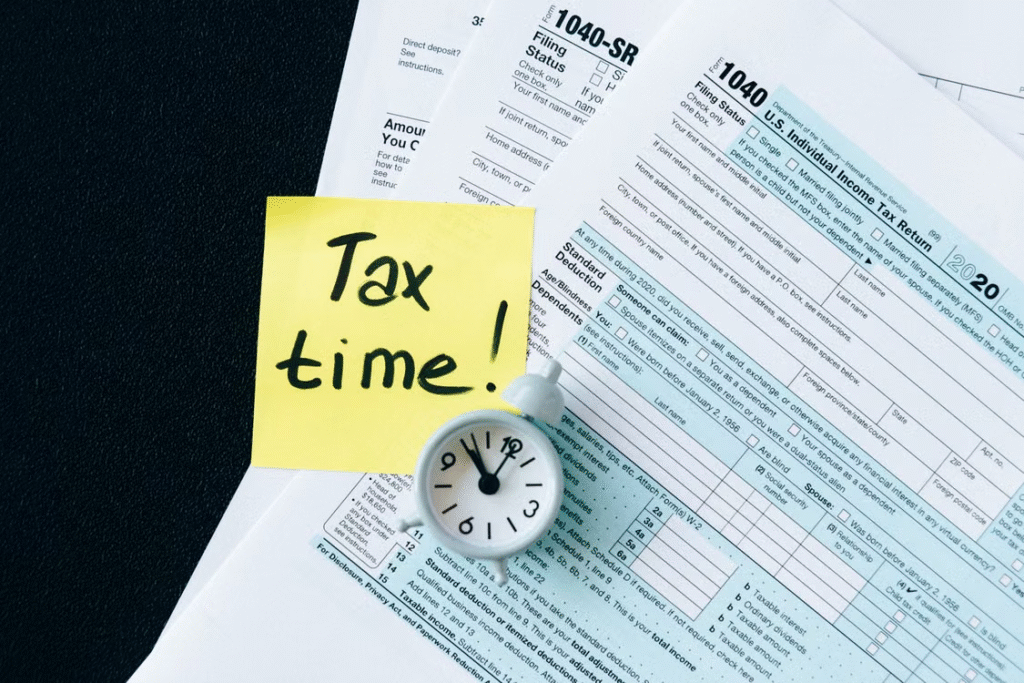
Receiving an IRS notice showing a tax balance can be stressful, particularly when paying the full amount is not financially realistic. Ignoring the balance, however, does not make the liability disappear. Interest and applicable penalties can continue to accrue until the amount is paid. This guide explains what taxpayers should organize before requesting an arrangement, what
How to Prepare for an IRS Payment Plan When You Cannot Pay Your Tax Balance Read More »

Choosing a business structure is an important decision for entrepreneurs because the entity selected can influence taxation, reporting, ownership, and ongoing compliance responsibilities. An LLC, S corporation, and C corporation each have different characteristics, and the right choice depends on the business’s circumstances rather than simply choosing the structure with the lowest potential tax burden.

Unpaid taxes can become increasingly difficult to manage when they are left unresolved. Interest, penalties, collection notices, and other consequences may add pressure to an already challenging financial situation. Taking action early can help taxpayers understand what they owe and determine which options may be available based on their circumstances. In this blog, we will
What to Do When You Have Unpaid or Back Taxes With the IRS Read More »

Year-end is an important time for business owners to review their financial position and prepare for upcoming tax obligations. Waiting until tax filing season to examine income, expenses, and business decisions can leave limited time to make changes that may affect the next tax return. Proactive planning can give business owners a clearer understanding of
Tax Planning Moves Business Owners Should Make Before Year-End Read More »

Many small businesses begin by managing their finances with spreadsheets, accounting software, or informal recordkeeping. This approach may work when transactions are limited, but as businesses grow, bookkeeping often becomes too time-consuming and complicated to manage alone. Accurate financial records are important not only for tax filing but also for understanding cash flow, expenses, profitability,
When Should a Small Business Move From DIY Bookkeeping to Professional Support? Read More »

Earning income from outside the United States can introduce additional considerations when preparing a U.S. tax return. U.S. citizens and resident taxpayers are generally subject to U.S. federal income tax on worldwide income, meaning certain foreign earnings and financial interests may need to be reported even when the income was earned outside the country. Understanding
How Foreign Income Can Affect Your U.S. Tax Return Read More »
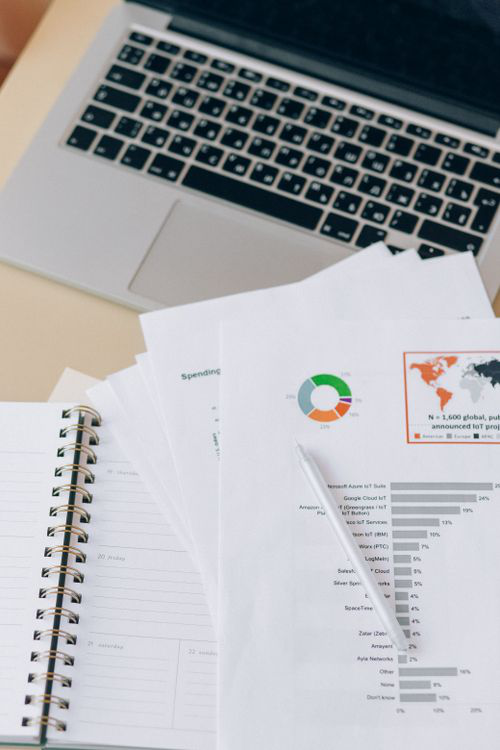
Tax trouble often starts months before a return is due. A missed receipt, unreconciled bank account, or incorrect expense category can distort taxable income. The IRS generally suggests keeping tax records for three years, while employment tax records should be kept for at least four years. That is why business bookkeeping should be handled every month,
Monthly Bookkeeping Habits That Help Businesses Stay Tax-Ready Read More »

The United States has 36.2 million small businesses, and they employ 62.3 million people, according to the U.S. Small Business Administration. That means millions of owners make tax, debt, and investment decisions every day. Yet many speak with a CPA only when a return is due. By then, a missed payment, weak bookkeeping process, or poorly
The Financial Questions Every Business Owner Should Ask Their CPA Read More »