Tax Deductions and Credits: Maximizing Your Tax Savings Opportunities

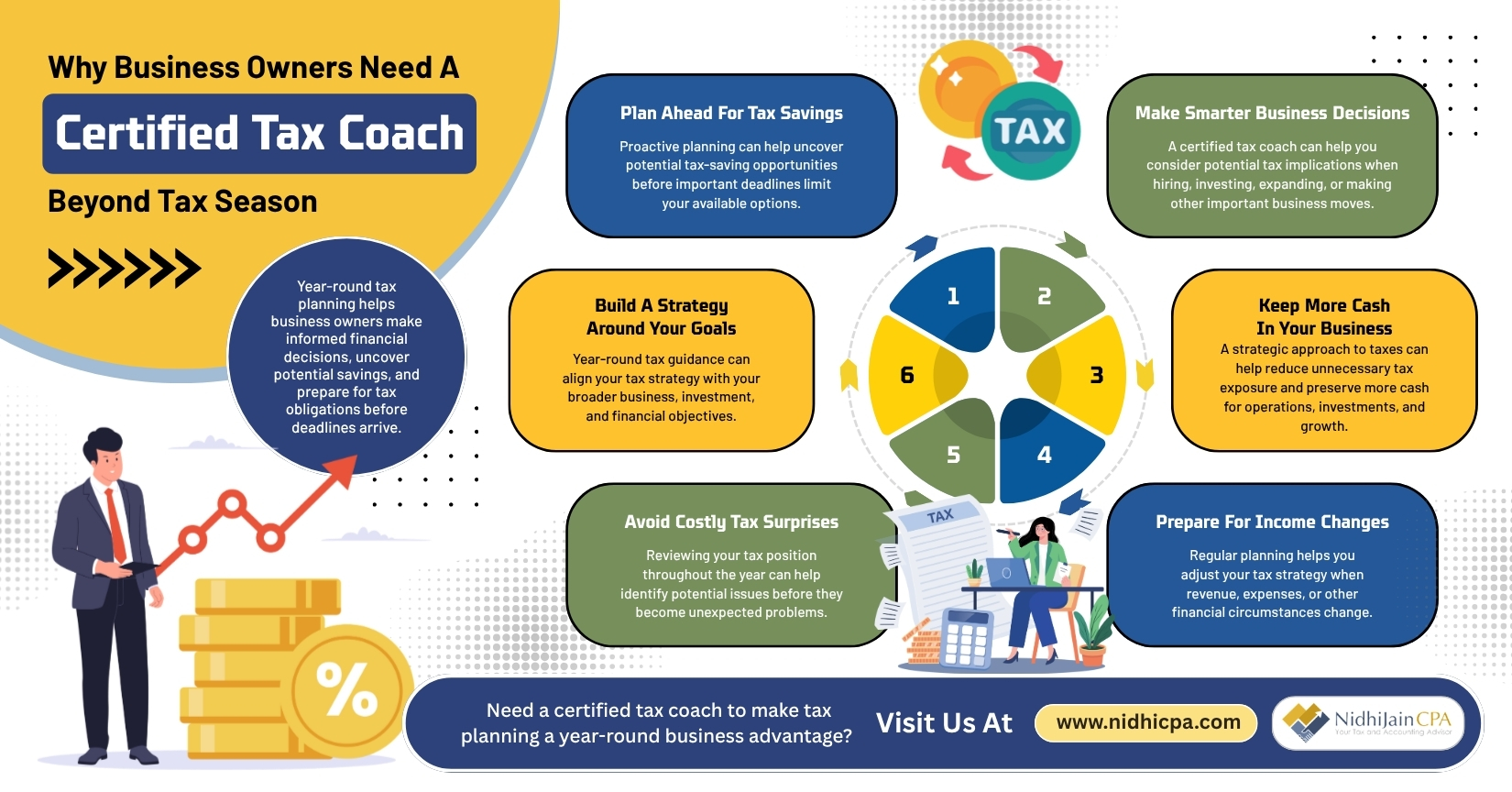
Tax season for businesses can be a whirlwind of paperwork and calculations. But amidst the frenzy lies a golden opportunity: maximizing your tax savings through strategic use of deductions and credits.

This blog post equips you with the knowledge to navigate the world of business tax benefits, allowing you to minimize your tax burden and boost your bottom line with tax saving opportunities.

Demystifying Business Tax Deductions

Think of business tax deductions as a shield against your taxable income. These deductions allow you to subtract eligible expenses from your gross revenue, effectively lowering the amount of money your business owes in taxes.

  • Eligible Expenses: A wide range of business expenses can be deducted, including rent, salaries, office supplies, marketing costs, and business travel expenses.
  • Maximizing Deductions: Maintaining meticulous records throughout the year is crucial for maximizing deductions. This ensures you have proper documentation to substantiate your claims during tax filing.

Understanding Business Tax Credits

While deductions lower your taxable income, business tax credits offer a more direct tax reduction:

  • Direct Tax Savings: Unlike deductions, tax credits directly reduce the dollar amount of tax you owe. Think of them as cash-back rewards for specific business activities or qualified expenses.
  • Examples of Credits: Common business tax credits include the Work Opportunity Tax Credit (WOTC)for hiring employees from targeted groups, the Research and Development (R&D) credit for qualified R&D activities, and the Employer Credit for Paid Sick Leave for qualifying businesses.

Strategic Tax Planning for Your Business

Here are key tactics to leverage these tax benefits and minimize your tax liability:

  • Stay Informed: Keeping abreast of current tax laws and available credits for your industry ensures you don’t miss out on valuable savings opportunities. The IRS website and professional resources are valuable tools.
  • Invest in Record-Keeping: A robust record-keeping system is vital for substantiating deductions and claiming credits accurately during tax filing. Categorize expenses meticulously and retain receipts for all business-related purchases.
  • Seek Expert Guidance: Navigating the complexities of business tax code can be a daunting task. A qualified Indian CPA in the Bay Arealike Nidhi Jain CPA can provide invaluable guidance. A skilled tax accountant can identify all potential deductions and credits applicable to your business, ensure compliance with tax regulations, and streamline the tax filing process.

Why Choose Nidhi Jain CPA?

Nidhi Jain CPA is a trusted tax accountant and financial advisor based in San Francisco, with a certified team and a proven track record of helping businesses optimize their tax strategies. We offer a comprehensive suite of business tax services, including tax planning, tax filing, and tax advisory services. Our expertise in tax law and commitment to client success empower us to:

  • Analyze your business operations and identify all relevant deductions and credits.
  • Develop a customized tax strategy to minimize your tax burden.
  • Streamline the tax filing process, ensuring accuracy and compliance.

Don’t settle for overpaying in taxes. Contact Nidhi Jain CPA today for a consultation and unlock the full potential of tax deductions and credits for your business.

Related Blogs

The gig economy has changed how people earn, especially in the Bay Area, where flexibility and independence are highly valued. From rideshare drivers to consultants and creatives, more individuals are working for themselves than ever before., But with that freedom comes responsibility, particularly when it comes to gig economy taxes. Unlike traditional employees, freelancers do not have taxes automatically withheld, which makes planning and tracking essential. That is where a clear understanding of Bay Area bookkeeping and accounting becomes critical to staying organized and compliant. …

Receiving a letter from the IRS can feel overwhelming at first glance. Many people assume the worst, but most notices are simply requests for clarification, corrections, or additional information.

If you have received an IRS Notice in California, the most important thing is to stay calm and understand what the letter actually means. With the right approach and access to reliable tax and accounting services in Bay Area, you can handle the situation confidently and avoid unnecessary stress.

Why You Might Receive an IRS Notice

The IRS sends notices for many reasons, and not all of them indicate a serious problem. Common reasons include:

  • A mismatch between reported income and IRS records
  • Missing documentation or forms
  • Errors in tax calculations
  • Questions about deductions or credits
  • Outstanding tax balances

Understanding the purpose of your notice is the first step toward resolving it effectively.

Step 1: Read the Notice Carefully

Start by reading the entire notice from beginning to end. Pay close attention to:

  • The notice number
  • The tax year in question
  • The issue being raised
  • Any deadlines for response

Avoid jumping to conclusions. Many notices are informational and may not require immediate payment or action beyond clarification.

Step 2: Verify the Information

Compare the notice with your tax return and financial records. Check for:

  • Income discrepancies
  • Filing status errors
  • Missing forms or schedules

If everything matches your records, the issue may be due to third-party reporting errors. If you spot a mistake, you will need to correct it.

Step 3: Do Not Ignore the Notice

Ignoring an IRS notice can lead to penalties, interest, or further action. Even if you believe the notice is incorrect, you should respond within the given timeframe. Timely responses show good faith and help prevent escalation.

Step 4: Gather Supporting Documents

Collect all relevant documents before responding. These may include:

Having organized records will make it easier to explain your situation and support your response.

A shot of green plants surrounded by coins

Step 5: Understand Your Response Options

Depending on the notice, you may need to:

  • Agree and pay the amount due
  • Dispute the noticewith supporting evidence
  • Request additional time
  • Set up a payment plan

If the issue is complex, professional assistance can make a significant difference.

Step 6: Seek Professional Guidance

Handling IRS notices can be complicated, especially when dealing with multiple issues or large amounts. Working with experienced professionals ensures that your case is handled correctly. Tax planning services help you not only resolve current issues but also prevent future ones by improving your overall tax strategy.

For individuals and businesses alike, having expert representation means you are not dealing with the IRS alone.

Step 7: Know When Representation Matters

If your situation involves audits, disputes, or significant financial impact, having a CPA represent you is crucial. A professional can:

  • Communicate directly with the IRS on your behalf
  • Interpret complex tax language
  • Negotiate payment plans or settlements
  • Ensure compliance with tax laws

Handle an IRS Notice with Confidence

At Nidhi Jain CPA, we are here to support you at every step. If you have received an IRS Notice in California, we offer reliable tax and accounting services, including strategic tax planning and comprehensive business tax services tailored to your needs.

Work with an experienced accountant in San Jose, California, and ensure that you get accurate guidance and dependable support to help you resolve your tax concerns.

Contact us today to get expert support.