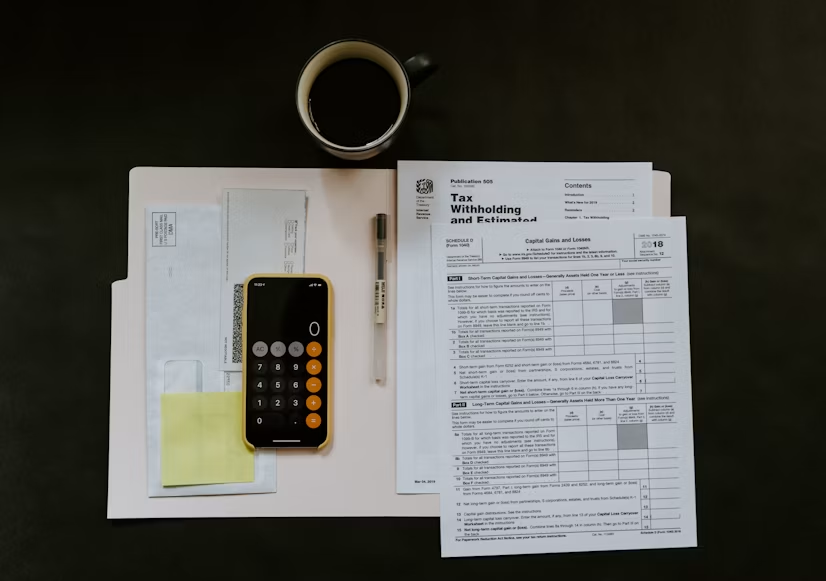


Managing finances is a crucial part of freelancing and independent contracting. While the freedom of being your boss is appealing, it comes with responsibilities, especially when it comes to organizing financial records. Maintaining good bookkeeping practices is key to long-term success. Properly managed finances not only help avoid tax issues but also offer insight into your business’s health. This guide will help you understand the best bookkeeping practices for freelancers and contractors, ensuring your financial life stays organized and stress-free.
1. Separate Personal and Business Finances
One of the most basic yet essential bookkeeping practices is to keep your personal and business finances separate. Opening a dedicated business bank account is a simple step that can make a significant difference in organizing your finances. When your income and expenses are mixed with personal transactions, it becomes difficult to track business performance, making tax filing more complicated.
Having separate accounts ensures your bookkeeper has a clear view of your business’s financial picture. It simplifies the process when hiring a CPA in San Jose to help you with year-end tax filings or financial advice.
2. Track Every Expense
Freelancers and contractors often juggle multiple projects at once, leading to various expenses that can be easily overlooked. A core aspect of good bookkeeping practices is to track every single expense. Whether it’s purchasing software, paying for a co-working space, or even client meetings, all these costs should be recorded.
Using tools like QuickBooks or Excel can help automate and streamline this process. By keeping a detailed record of expenses, you’ll ensure accurate deductions come tax time. Bookkeeping and accounting software also makes it easier for your bookkeeper to generate financial reports and manage tax obligations.
3. Keep Detailed Invoices

Invoicing is a vital part of freelance work. Creating professional, detailed invoices not only helps you get paid on time but also serves as an important financial record. As part of your bookkeeping practices, ensure that each invoice includes the project details, hours worked, and payment terms. Maintaining a regular invoicing schedule also helps with cash flow management, which is critical for freelancers and contractors who often rely on timely payments to cover their expenses.
Should any discrepancies arise, having clear records will make it easier to resolve issues. When you use bookkeeping services in San Jose, they can ensure your invoicing system is well-structured and accurate.
4. Set Aside Taxes
Taxes are one of the biggest financial hurdles for freelancers and contractors. Unlike traditional employees, you’re responsible for calculating and paying your taxes, including self-employment taxes. A golden rule of bookkeeping practices is to set aside a portion of your income for taxes. Many freelancers find that setting aside around 25% to 30% of their income helps cover tax obligations.
Consulting with a CPA in San Jose can help you better understand your specific tax requirements and deductions. They can also guide you in creating an efficient system for paying quarterly taxes, preventing large lump-sum payments at the end of the year.
Reliable Professional Bookkeeping & Accounting
For freelancers and contractors, staying on top of financial management is key to running a successful business. From separating personal and business accounts to tracking expenses and setting aside taxes, adopting proper bookkeeping practices will help you maintain financial health and avoid potential headaches down the road. If you’re struggling to manage your books, consider hiring professional bookkeeping services in San Jose to ensure everything runs smoothly.
At Nidhi CPA, I offer comprehensive bookkeeping and accounting services tailored to freelancers and independent contractors. Let me take the stress out of managing your finances, so you can focus on what you do best—growing your business. Contact me today to learn how we can help!