
10 Common Accounting Errors and How to Fix Them

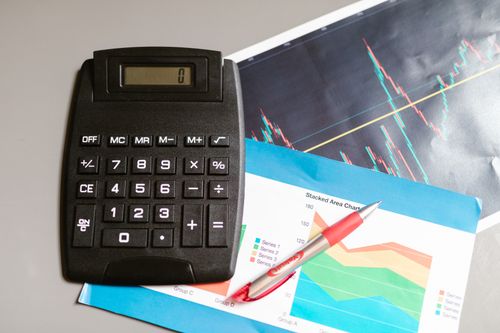
A CPA assessing a company’s financials

Accurate accounting is the backbone of a successful business. However, even the most diligent entrepreneurs can fall victim to common accounting errors that can impact their financial health and decision-making. In this blog, we will explore ten common accounting errors and provide practical solutions to rectify them.

Additionally, we will discuss the importance of hiring a tax planning expert and an experienced CPA for bookkeeping and account management.

1. Data Entry Mistakes

Data entry errors can occur when recording financial transactions manually. To fix this, cross-check entries with source documents and implement accounting software to automate data entry and minimize human errors.

2. Failure to Reconcile Accounts

Failing to reconcile bank statements and accounts regularly can lead to discrepancies. Fix this by conducting monthly reconciliations and promptly addressing any discrepancies found.

3. Ignoring Petty Cash Transactions

Neglecting to track petty cash transactions can lead to unaccounted expenses. Create a petty cash fund, maintain a record of all expenses, and reconcile the fund periodically. Learn how our bookkeeping services in Bay Area help your business.

Business accounting in progress

4. Overlooking Accounts Payable and Receivable

Disregarding accounts payable and receivable can lead to delayed payments or missed collections. Establish a systematic process for managing payables and receivables, and follow up on outstanding invoices promptly.

5. Mixing Personal and Business Expenses

Combining personal and business expenses is a common mistake that can complicate tax reporting. Keep separate bank accounts and credit cards for personal and business use to maintain clear financial records.

6. Inaccurate Depreciation Calculation

Improper depreciation calculations can impact financial statements and tax deductions. Utilize the correct depreciation methods and update asset records regularly to ensure accuracy.

7. Failure to Backup Financial Data

Not backing up financial data regularly can result in data loss and hinder business continuity. Employ secure cloud-based solutions or physical backups to safeguard critical financial information.

8. Mishandling Tax Payments

Incorrect tax calculations or missed deadlines can lead to penalties and interest. Partner with a tax planning expert to optimize tax strategies and ensure timely tax filings.

9. Inadequate Inventory Management

Inaccurate inventory records can affect profitability and customer satisfaction. Implement an efficient inventory management system, conduct regular audits, and monitor stock levels to avoid stock outs or overstocking.

10. Lack of Financial Analysis

Failure to analyze financial statements can hinder decision-making. Engage an experienced CPA to interpret financial data, identify trends, and provide insights for informed business strategies.

Why Hire a Tax Planning Expert and an Experienced CPA?

A tax consultant in San jose have in-depth knowledge of tax laws and regulations. They can identify tax-saving opportunities, optimize deductions, and help businesses minimize tax liabilities. An experienced CPA ensure accurate bookkeeping, maintain financial records, and deliver reliable financial statements. This fosters transparency, enhances credibility, and supports informed business decisions.

Take charge of your financial success today with Nidhi Jain CPA! Whether you’re an individual seeking expert tax guidance or a business in need of comprehensive financial solutions, our team is here to support you. Contact us now.

Related Blogs

a tax board on top of money

Running a sole proprietorship in California comes with flexibility, but it also brings tax responsibilities that can quickly eat into your profits if not managed well.

Many business owners miss out on valuable deductions simply because they are unaware of what qualifies or how to track them properly. Understanding smart business tax solutions for sole proprietors can make a significant difference in how much you owe at the end of the year. With the right approach and consistent support from Bay Area bookkeeping and accounting professionals, you can reduce taxable income, stay compliant, and keep more of what you earn.

Track Every Business Expense

One of the simplest yet most effective ways to lower your tax bill is by keeping accurate records of all business-related expenses. This includes office supplies, software subscriptions, travel costs, and even a portion of your home expenses if you work remotely. Consistency is key here. When your records are organized, it becomes easier to identify deductions and avoid missing opportunities. Reliable Bay Area bookkeeping ensures that nothing slips through the cracks.

Take Advantage of Home Office Deductions

If you use part of your home exclusively for business, you may qualify for the home office deduction. This allows you to write off a portion of your rent, utilities, and internet costs. The key is to ensure that the space is used only for business purposes. Proper documentation and guidance through professional tax planning services can help you maximize this benefit without raising red flags.

Deduct Health Insurance Premiums

As a sole proprietor, you can often deduct 100 percent of your health insurance premiums for yourself and your family. This is an above-the-line deduction, which means it reduces your adjusted gross income directly. It is one of the most valuable yet underutilized deductions available.

Invest in Retirement Contributions

Saving for retirement is not just good for your future. It is also a powerful way to reduce your taxable income today. Contributions to retirement accounts such as a SEP IRA or Solo 401(k) are tax-deductible. With the right business tax solutions for a sole proprietor, you can create a plan that balances long-term savings with immediate tax benefits.

Separate Personal and Business Finances

Mixing personal and business finances can lead to confusion and missed deductions. Having a dedicated business bank account and credit card helps you track expenses more clearly and maintain accurate records. It also makes tax filing smoother and more efficient, especially when working with professional business tax services.

Claim Vehicle and Travel Expenses

If you use your vehicle for business purposes, you can deduct mileage, fuel, maintenance, and insurance costs. Similarly, business-related travel expenses such as flights, hotels, and meals can be written off. Keeping a mileage log and saving receipts is essential to support these claims.

Work with Professionals Who Understand Your Needs

Tax laws can be complex, and staying updated with changes is not always easy. Working with experienced accountants in San Jose, California, ensures that you are taking advantage of every available deduction while staying compliant with regulations.

Maximize Your Savings with the Right Support

Effective tax planning is not about last-minute decisions. It requires a proactive approach throughout the year.

At Nidhi Jain CPA, we provide Bay Area bookkeeping and accounting, tax planning services, and business tax services designed to help you succeed. If you are looking for reliable business tax solutions for a sole proprietor, we are here to guide you every step of the way.

Get in touch with us.

The gig economy has changed how people earn, especially in the Bay Area, where flexibility and independence are highly valued. From rideshare drivers to consultants and creatives, more individuals are working for themselves than ever before., But with that freedom comes responsibility, particularly when it comes to gig economy taxes. Unlike traditional employees, freelancers do not have taxes automatically withheld, which makes planning and tracking essential. That is where a clear understanding of Bay Area bookkeeping and accounting becomes critical to staying organized and compliant. …