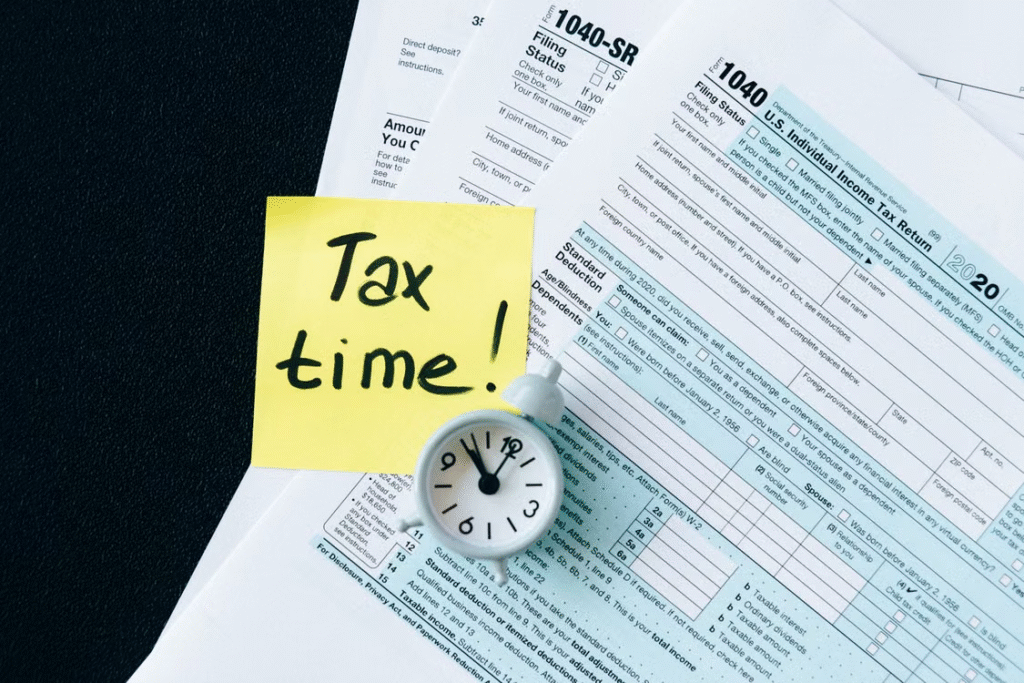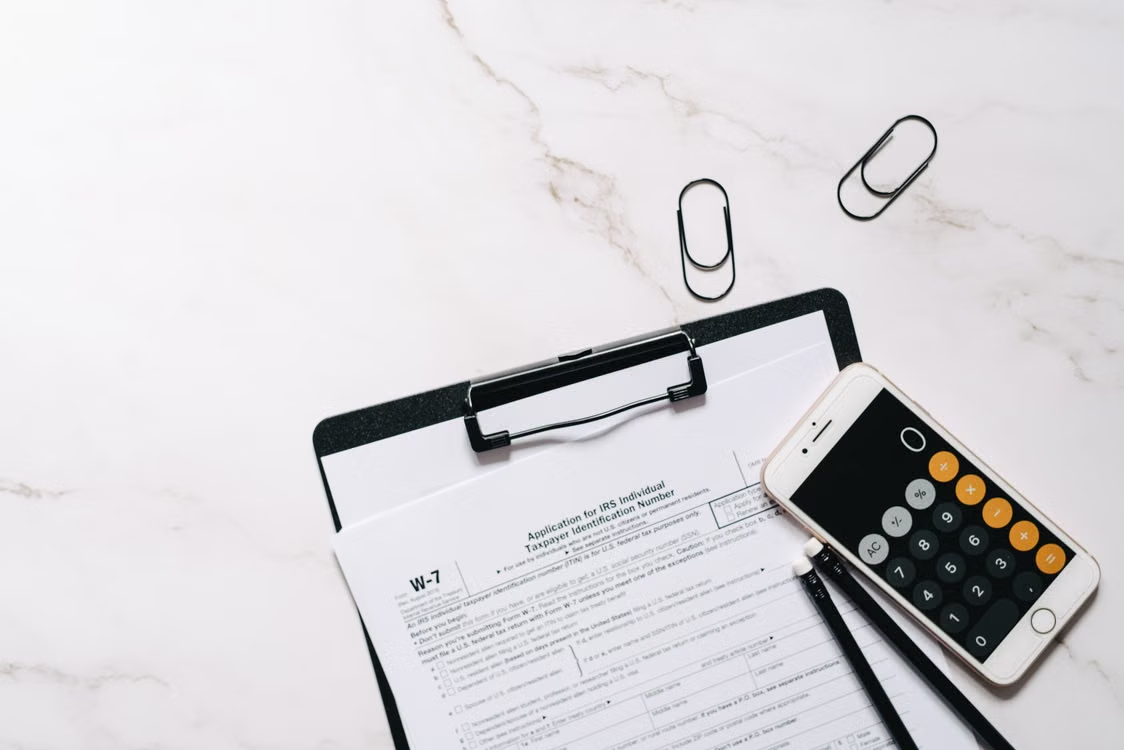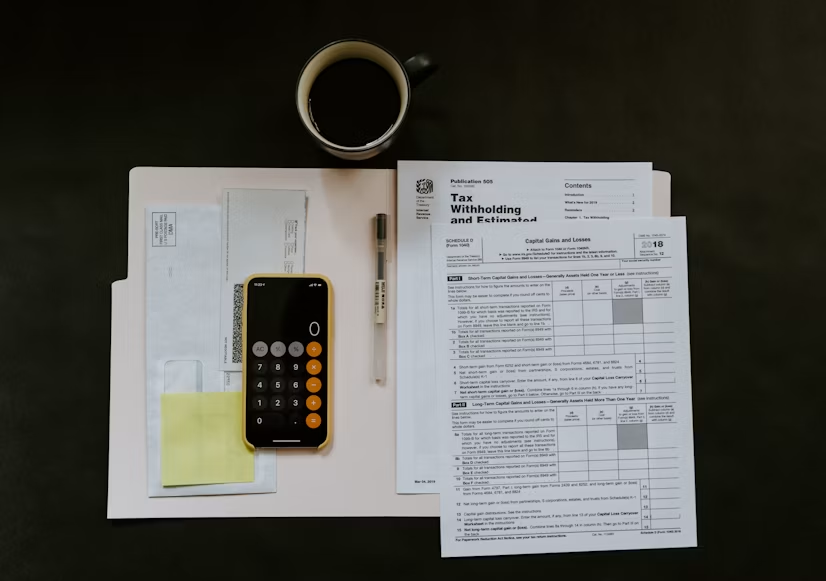


Tax planning is the process of organizing your finances to minimize your tax liability. It involves understanding the tax laws and taking advantage of the deductions and credits that are available to you. By reducing your tax liability, you will have more money to invest or spend on other things. Additionally, tax planning can help you avoid penalties and interest charges that may be assessed if you fail to pay your taxes on time. Finally, tax planning can give you peace of mind.
As the end of the year approaches, it’s time to start thinking about your tax situation. You can do several things to reduce your tax bill for 2022. Here are some tips to get you started.
Contribute To A Retirement Account
You should consider starting a retirement account if you haven’t already. The sooner you start saving for retirement, the less you’ll have to pay in taxes later. There are many different types of retirement accounts, such as 401(k)s and IRAs. Each type of account has its own set of rules and regulations. Be sure to consult with a financial advisor to find out which type of account is right for you.
Take Advantage Of Deductions And Credits
There are several deductions and credits available to taxpayers. Some of the more common deductions include those for mortgage interest, charitable donations, and medical expenses. There are also a number of credits available, such as the Earned Income Tax Credit and the Child Tax Credit. Be sure to take advantage of all the deductions and credits you’re eligible for to reduce your tax bill.
Keep Good Records
This applies to both individuals and businesses. Good record keeping can help you save money on your taxes and avoid problems with the IRS.
For individuals, good record keeping means keeping track of your income and expenses. This includes receipts for items you’ve purchased and any invoices or other documentation for services you’ve paid for. Keeping track of this information can help you take advantage of deductions and tax breaks that you may be eligible for.
Good record keeping is essential for businesses to comply with tax laws and regulations. This includes keeping track of income and expenses and maintaining records of employee payroll and benefits. Good record keeping can also help businesses manage their cash flow and make more informed decisions about spending.
Plan Ahead
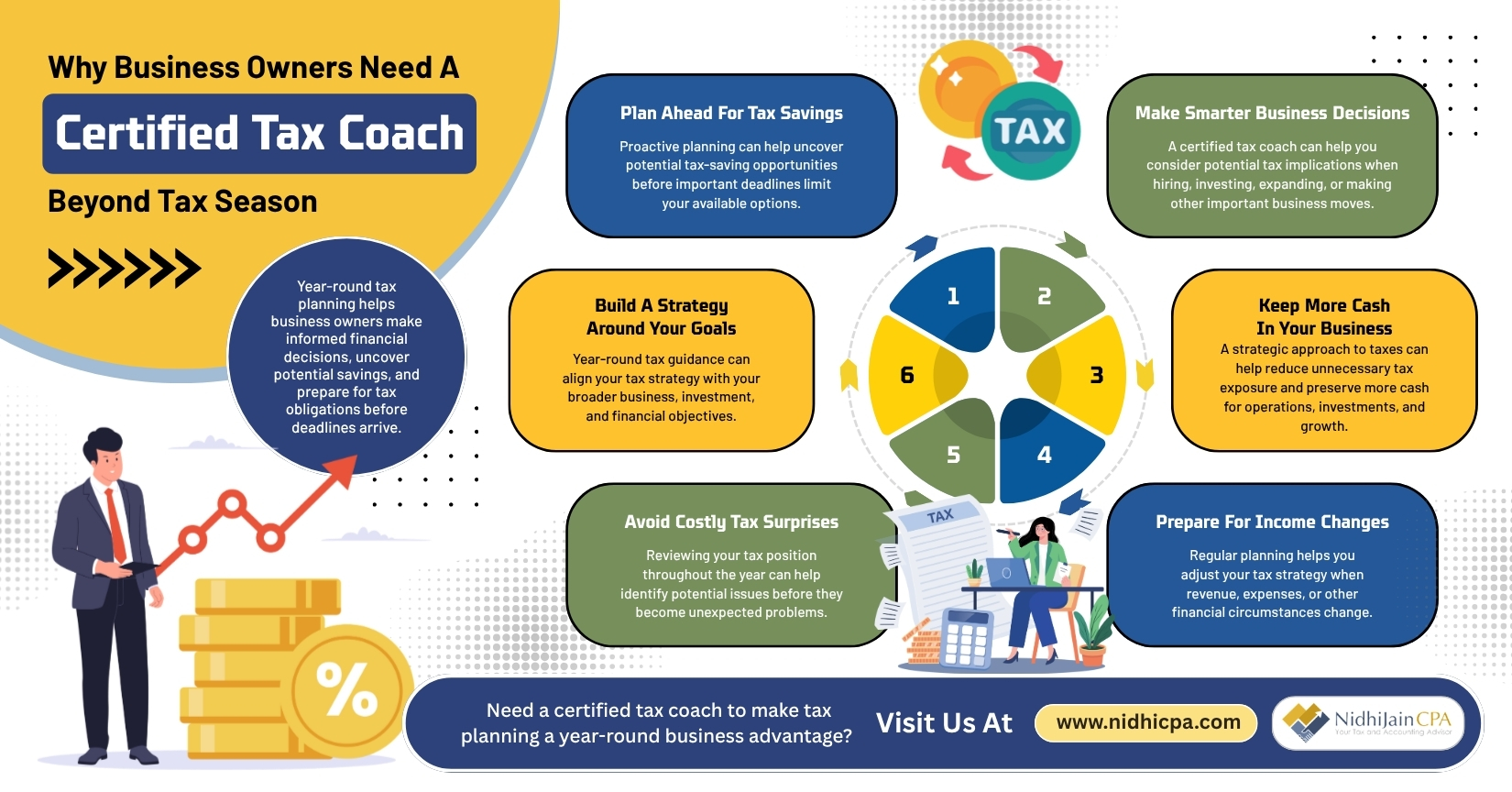
Tax planning shouldn’t be something you do at the last minute. Start planning for your taxes early on in the year. This will give you plenty of time to take advantage of deductions and credits and ensure your finances are in order.
Get Help From A Tax Professional
If you’re unsure how to reduce your tax bill, consider getting help from a tax professional. A tax advisor or accountant can help you navigate the tax laws and take advantage of deductions and credits. They can also help you with record-keeping and tax planning.
Nidhi Jain CPA’s firm has been providing quality tax and accounting services to clients in the San Francisco area for many years. Our firm offers a wide range of services, including tax preparation, bookkeeping, financial consulting, and payroll services in Bay Area.

Our team is dedicated to helping our clients save money and stress during tax season. We offer a variety of resources to help determine which services would be most beneficial for each individual client. Whether you’re a small business owner or an individual taxpayer, we can help you with all of your tax and accounting needs. Contact tax consultant in San Jose today to schedule your consultation.