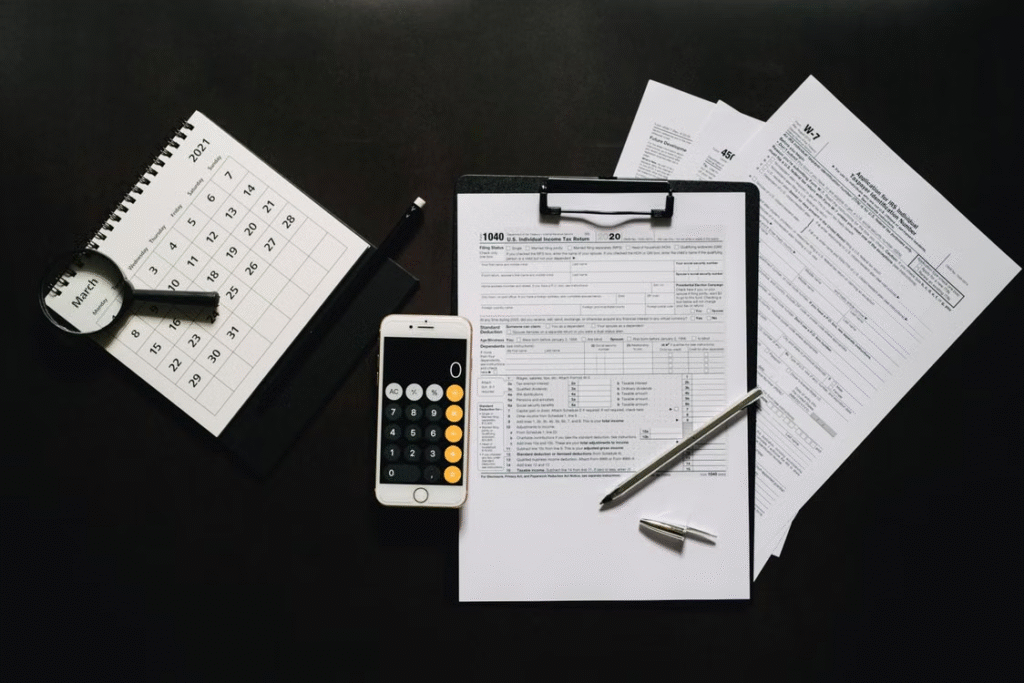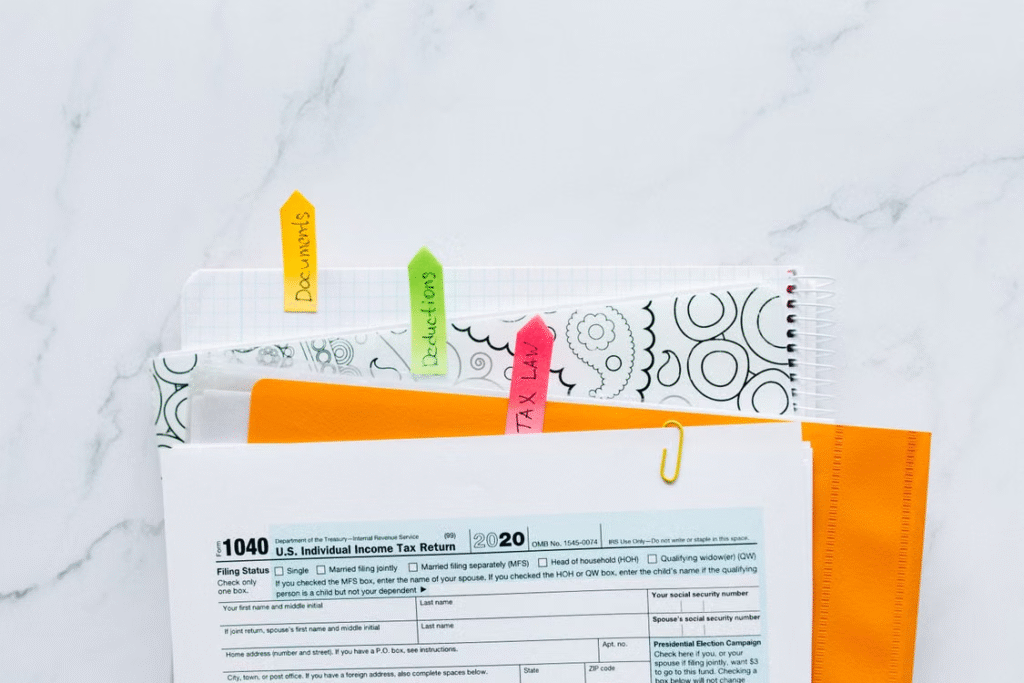


As the year comes to a close, year-end tax planning becomes a crucial step for individuals and business owners looking to optimize their finances. Taking time to organize your financial documents, identify deductions, and prepare for next year can save you money and reduce stress. Here are actionable tips to help you maximize deductions and minimize tax liabilities as you head into the new year.
1. Organize Your Financial Records Early
Having organized financial records is essential for accurate tax reporting. Whether you manage your books or work with a CPA in San Jose, now is the time to ensure everything is up to date. This includes all receipts, invoices, payroll, and investment documents. A streamlined approach to bookkeeping and accounting will make the filing process easier and help you identify potential deductions.
2. Maximize Deductions for Business Owners
If you’re a business owner, consider accelerating expenses into the current tax year. Purchasing new equipment, making charitable contributions, or prepaying bills before December 31 can reduce your taxable income. Working with a tax advisor in San Jose can help you identify other deductions you may not have considered. Don’t forget to explore available tax credits such as energy efficiency incentives or research and development credits that could further reduce your tax liability.
3. Contribute to Retirement Accounts
Both individuals and business owners should take advantage of retirement savings contributions. Contributions to traditional IRAs or 401(k) plans are often tax-deductible, lowering your taxable income. If you’re unsure about the best way to maximize these contributions, a tax accountant can provide personalized guidance based on your financial situation.
4. Plan for Capital Gains and Losses

If you have investments, now is the time to review your portfolio. Selling underperforming assets to offset capital gains can reduce your tax liability. This strategy, called tax-loss harvesting, is a powerful tool for managing investment taxes. Consulting with a CPA in San Jose can help you navigate the nuances of capital gains taxes, ensuring you make informed decisions before the year’s end.
5. Review Estimated Tax Payments
If you’re self-employed or own a business, reviewing your estimated tax payments is crucial. Ensure you’ve paid enough throughout the year to avoid penalties. A tax advisor in San Jose can help you calculate whether you need to make a final payment before the end of the year to stay compliant and avoid costly interest fees.
Trust Nidhi CPA for All Your Year-End Tax Planning Needs
As you navigate tax planning and filing, it’s important to work with a knowledgeable professional who can guide you through the complexities of the tax code. At Nidhi CPA, I specialize in providing expert year-end tax planning, bookkeeping and accounting, and tax advisory services to individuals and business owners. Whether you’re seeking a seasoned tax advisor in San Jose or need help with more detailed tax planning and filing, I am team is here to help you every step of the way.
Contact Nidhi CPA today to schedule a consultation and ensure your finances are in order before the year ends. Let me help you maximize your deductions, minimize your liabilities, and set you up for success in the new year!