

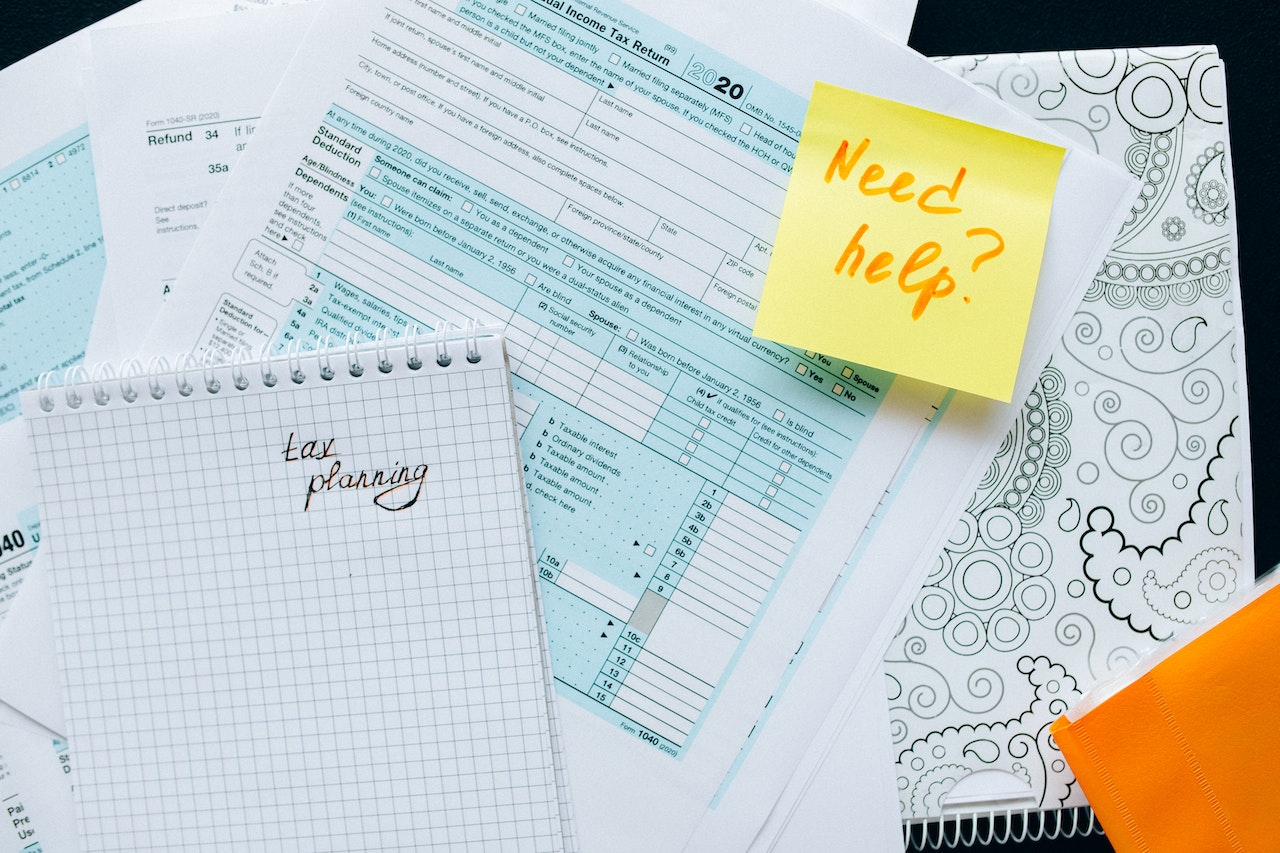
In a nutshell, the California Property Tax Postponement Program enables all senior, blind, or disabled homeowners to defer their current-year property taxes on their principal residence provided they meet specific criteria.
What You Need to Know About the California Property Tax Postponement Program?
It is important to note that all taxes postponed are secured by a lien against the property. The California Property Tax Postponement Program has specific eligibility requirements, and the applicant has a chance to reapply when they desire a postponement.
Eligibility Requirements
All applicants will be required to meet specific criteria in order for their application to be accepted. In short, the application should be;
- Is either disabled, blind or 62 years of age
- has a net household income of $51,762 (under the California Revenue and Taxation Code 20503)
- Is the owner of the property that’s their principal place of residence
- Has not applied for a reverse mortgage
- Owns 40% equity on their property
The Quota for the California Property Tax Postponement Program
While there is no cap on how many individuals apply for the California Property Tax Postponement Program, all applicants will be processed on a first-come-first-served basis. So, an applicant may be rejected if the state runs out of PTP funds.
All applications for the California Property Tax Postponement Program will be notified by the State Controller if their application gets rejected due to not having enough PTP funds.
Filing Period for the California Property Tax Postponement Program
It is important that all individuals who wish to take advantage of the California Property Tax Postponement Program follow all of the guidelines and submit their applications on time.
The applications for the California Property Tax Postponement Program for 2023-2024 are going to be available from September 2023, so you still have time to hire a professional tax consultant to help guide you through the process to ensure your application gets accepted.
The filing period for the California Property Tax Postponement Program will commence on October 1st, 2023, and will extend all the way to February 10th, 2024, when the filing extension period closes.
What is the Processing Time?
The filing period for the California Property Tax Postponement Program is between October 1 and February 10. All applications are reviewed based on their postmark date. Depending on the volume of applications that are received, the State Controller normally takes anywhere between 6 to 8 weeks to process applications.
Ending Note
Residents who are living in the Bay Area, including South Bay, Sunnyvale, San Jose, Milpitas, Fremont, East Bay, Trivalley, Pleasanton, Livermore, Dublin, and San Ramon can find out more about the California Property Tax Postponement Program by hiring a professional tax consultant.
To find out more about the California Property Tax Postponement Program, and hire the best tax consultants in town, visit Nidhi CPA for guidance on complicated tax issues such as Asset Inheritance and Gift from Foreign countries, Repatriating Money from Foreign countries, FBAR Filing (Foreign Bank Account Reporting), Incorporation of US Entity by International Clients, International Tax reporting and compliance of selling property abroad, Tax Planning Services in Bay Area.