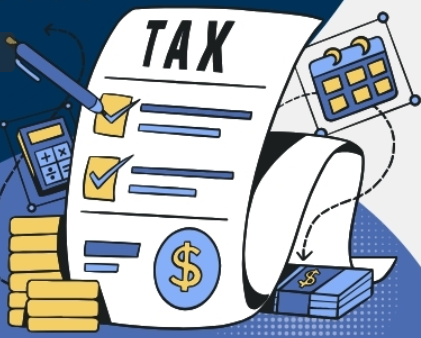


Many business owners underestimate the long-term impact of missing or underpaying quarterly tax estimates. The IRS and the California Franchise Tax Board require estimated payments from anyone earning income that is not subject to regular withholding. When these payments are late or too low, penalties and interest start accruing almost immediately. These charges often go unnoticed until they accumulate into substantial amounts that disrupt operations and drain working capital. Engaging professional tax planning services can help prevent these issues by ensuring accurate estimates, timely payments, and clear strategies for future quarters.
How Missed Payments Trigger Penalties
The IRS calculates underpayment penalties based on both the amount and the timing of each missed or insufficient payment. California adds its own interest layer on top of federal charges, making the cost of noncompliance even higher. Even a seemingly minor delay can snowball when multiple quarters are involved, creating an unexpected financial burden by year-end. A skilled tax consultant can forecast projected income for each quarter and identify the “safe harbor” payment levels that reduce the risk of penalty assessments. This approach ensures that businesses remain compliant without tying up excess cash unnecessarily.
The Strain on Cash Flow
Late or missed estimated payments also create significant cash flow stress. Businesses that fail to pay quarterly often end up facing a large lump-sum tax bill when filing their annual returns. This sudden expense can disrupt payroll schedules, vendor payments, and planned investments. Some business owners resort to short-term, high-interest borrowing to cover their tax obligations, which further erodes profits. Working with a reliable CPA can prevent this problem. By integrating quarterly estimates into a company’s monthly budget, they help maintain steady reserves, allowing businesses to meet tax obligations without derailing operations or growth plans.
The Role of Accurate Recordkeeping
Accurate recordkeeping is central to making correct quarterly estimates. Incomplete tracking of income or overlooking deductible expenses can result in overpaying or underpaying taxes. Both outcomes damage cash flow and increase audit risk. A qualified personal tax accountant can review real-time financial data and use detailed bookkeeping reports to align estimated payments with actual earnings. This ensures that businesses pay the right amount each quarter instead of guessing and risking compliance issues or penalties.
Building a Year-Round Tax Strategy
Quarterly estimates are most effective when they are part of a broader strategy. Comprehensive tax planning services help align estimated payments with seasonal income patterns, new tax credits, or business expansions. A proactive tax advisor can monitor these changes throughout the year, ensuring that every payment reflects current conditions. This strategy reduces year-end surprises and helps business owners make informed financial decisions with confidence.
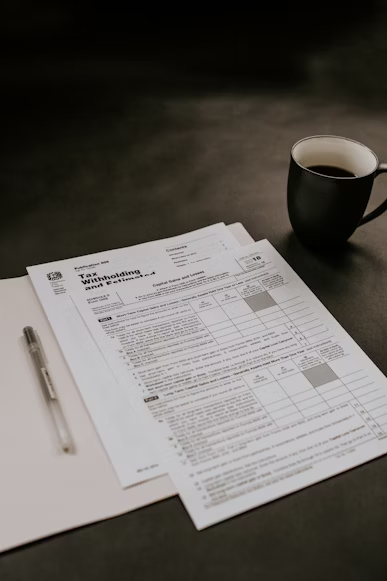
Stay on Track with Nidhi Jain CPA
Partnering with Nidhi Jain CPA gives business owners the support they need to stay ahead of quarterly tax obligations. As a trusted tax planning consultant in San Francisco, Nidhi Jain CPA offers accurate projections, structured payment plans, and expert oversight that protect cash flow and prevent penalties. With consistent planning and professional guidance, businesses can stay compliant, protect their profitability, and focus fully on growth.
Check out our blogs to learn more!