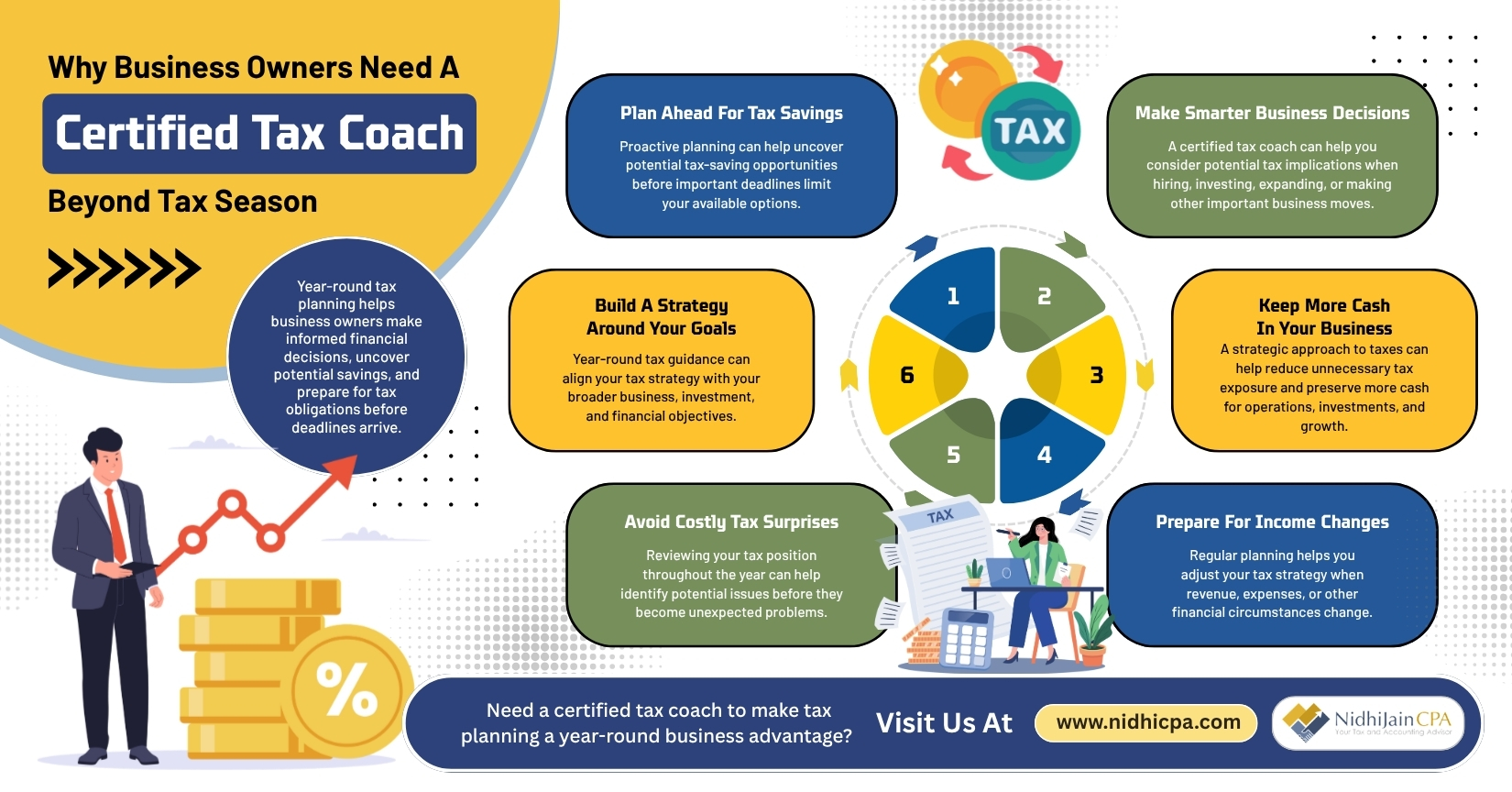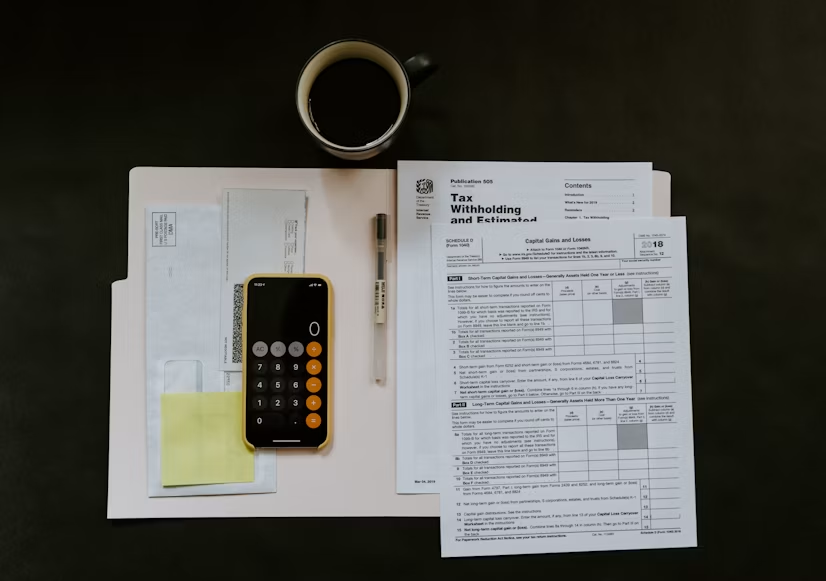


Many small business owners blur the line between personal and business finances, often without realizing the long-term consequences. Using one bank account, paying personal expenses from business funds, or transferring money without documentation may seem convenient, but these habits create serious compliance issues and tax inefficiencies. Clear financial separation is no longer optional in today’s enforcement environment. Working with a qualified tax consultant helps businesses protect deductions, maintain accurate records, and reduce audit exposure.
Why Financial Separation Matters for Compliance
The IRS expects businesses to operate as distinct financial entities. When personal and business transactions mix, it becomes difficult to prove which expenses qualify as deductible. This confusion increases scrutiny during reviews and can lead to disallowed deductions or penalties. Businesses supported by tax and accounting services establish clear boundaries through separate accounts, documented transfers, and consistent categorization.
How Mixed Finances Distort Tax Planning
Accurate tax planning depends on clean financial data. When personal expenses appear in business records, income and expense totals become unreliable. This distortion leads to flawed estimates, incorrect quarterly payments, and missed planning opportunities. A tax planning consultant reviews financial activity throughout the year to ensure projections reflect reality. Businesses working with a CPA benefit from accurate data that supports informed decisions rather than reactive corrections.
Increased Audit Risk and Documentation Gaps
Mixed finances often result in missing or incomplete documentation. Receipts may lack context, transfers may lack purpose, and expense categories may overlap. These gaps weaken credibility during audits or notices. Businesses supported by bookkeeping and accounting maintain organized records that clearly distinguish personal and business activity.
Impact on Deductions and Expense Claims
When finances overlap, legitimate deductions become harder to defend. Expenses such as travel, meals, home office costs, or equipment purchases require a clear business purpose and proper allocation. Mixed accounts make this verification difficult. Working with a tax accountant allows business owners to structure reimbursements, owner draws, and expense reporting correctly.
Cash Flow Confusion and Financial Control Issues
Poor separation also affects cash flow visibility. Business owners may misjudge available funds, overdraw accounts, or delay obligations due to unclear balances. This confusion can lead to late payments, penalties, or reliance on short-term borrowing.

Preparing for Growth and External Review
Growth introduces external scrutiny from lenders, investors, and partners. Mixed finances weaken credibility and complicate due diligence. Clean financial separation supports confidence and smoother reviews. Businesses working with a CPA establish scalable systems that support expansion while maintaining compliance. Clear records strengthen valuation and support long-term planning.
Nidhi Jain CPA and Financial Clarity
Nidhi Jain CPA helps businesses eliminate the risks associated with mixed finances through structured systems, accurate reporting, and proactive oversight. With expert guidance from a trusted certified public accountant, support from tax planning services, and disciplined financial separation, businesses gain clarity, reduce risk, and improve tax outcomes.
Contact us to establish clean financial boundaries that support compliance, planning, and sustainable growth.