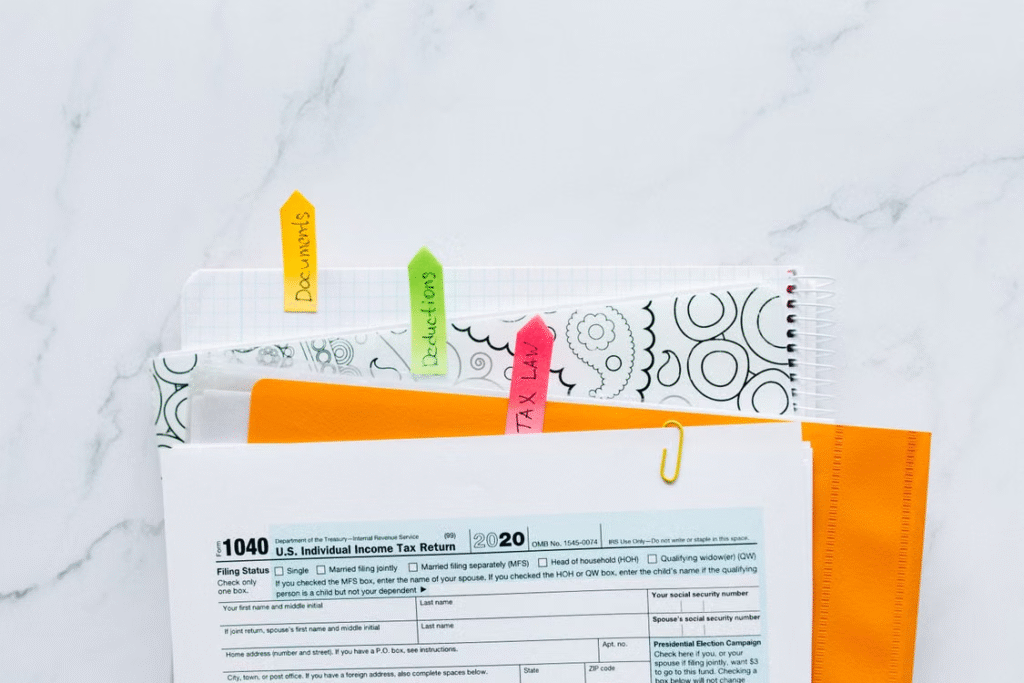

Gig Economy Taxes in the Bay Area: What Freelancers Need to Know

The gig economy has changed how people earn, especially in the Bay Area, where flexibility and independence are highly valued. From rideshare drivers to consultants and creatives, more individuals are working for themselves than ever before., But with that freedom comes responsibility, particularly when it comes to gig economy taxes. Unlike traditional employees, freelancers do not have taxes automatically withheld, which makes planning and tracking essential. That is where a clear understanding of Bay Area bookkeeping and accounting becomes critical to staying organized and compliant.

Self-Employment Income and Tax Responsibilities

When you earn income as a freelancer, you are considered self-employed. This means you are responsible for reporting all income, even if you do not receive formal tax documents like a W-2. Instead, you may receive 1099 forms or simply track your own payments. One of the biggest surprises for many freelancers is the self-employment tax, which covers Social Security and Medicare. This tax is in addition to your regular income tax, and it can add up quickly if you are not prepared.

Maximizing Deductions the Right Way

Deductions are one of the most powerful tools available to freelancers. Expenses that are ordinary and necessary for your work can often be written off. This includes things like mileage, home office costs, software subscriptions, and even part of your phone bill. Keeping accurate records throughout the year is key to maximizing these deductions. Without proper tracking, you risk missing out on savings or facing challenges during an audit.

Staying on Track with Estimated Taxes

Estimated quarterly taxes are another important aspect of freelancing. Since taxes are not withheld automatically, you are expected to pay them throughout the year. Missing these payments can result in penalties and interest. Planning ahead with reliable tax planning services helps ensure you stay on track and avoid surprises when tax season arrives. Consistency is more important than perfection here, and even small, regular payments can make a big difference.

Choosing the Right Business Structure

Another factor to consider is how your business is structured. Many freelancers start as sole proprietors, but as income grows, other structures may offer tax advantages. Understanding when to make that transition is important, and this is where professional guidance becomes valuable. With the right business tax services, you can evaluate your options and choose a structure that aligns with your financial goals.

A person calculating taxes

Navigating California Tax Requirements

Freelancers in the Bay Area also need to be mindful of local and state tax requirements. California has its own set of rules that can impact how much you owe. Staying informed and proactive helps you avoid costly mistakes and ensures that you remain compliant across all levels.

Stay Compliant, Stay Financially Strong With Us

Managing gig economy taxes does not have to be overwhelming. With the right systems in place and consistent tracking, you can stay in control of your finances and focus more on growing your work. The key is to treat your freelance income like a business from day one.

If you are looking for expert guidance, Nidhi Jain CPA is here to help. We provide support tailored to freelancers, offering Bay Area bookkeeping, tax planning services, and access to an experienced accountant in San Jose, California. Whether you are just starting out or scaling your income, we can help you stay organized and confident in your financial decisions.

Get in touch with us.

Related Blogs

Modern businesses generate financial data every day. Sales, expenses, invoices, and payments constantly affect the financial health of a company. When information is delayed or stored across multiple systems, it becomes difficult for business owners and accountants to stay aligned. This is why cloud accounting has become an essential tool for improving collaboration and decision-making.

By providing real-time access to financial information, cloud-based systems help business owners and CPAs work together more efficiently while reducing delays and reporting errors.

Real-Time Access Creates Better Communication

Traditional accounting often relies on spreadsheets, email exchanges, and manual data transfers. This can create communication gaps and outdated information.

With cloud accounting:

  • Financial records update automatically
  • Business owners can view data anytime
  • CPAs can access the same information simultaneously
  • Questions can be addressed more quickly

This shared visibility helps improve communication and supports more informed financial decisions. Many businesses working with a CPA professional in San Jose find that real-time collaboration leads to more accurate reporting and fewer surprises at tax time.

Faster Financial Reporting

One of the biggest advantages of cloud accounting is speed. Instead of waiting until month-end to review financial performance, business owners can monitor key metrics throughout the month.

Benefits include:

  • Faster profit and loss reporting
  • Up-to-date cash flow visibility
  • Improved expense tracking
  • Better budgeting and forecasting

For companies using bookkeeping solutions, cloud systems provide a more complete financial picture that supports daily decision-making.

Person analyzing finance report with graphs at desk, ideal for business concepts.

Improved Accuracy Through Automation

Manual data entry increases the risk of errors. Duplicate transactions, missed expenses, and incorrect categorization can affect reporting accuracy.

Cloud accounting platforms help reduce these issues through:

  • Automated bank feeds
  • Transaction matching
  • Receipt management tools
  • Built-in reporting features

This allows business owners and CPAs to spend less time correcting errors and more time focusing on strategy. Many providers of tax and accounting services use cloud platforms to improve efficiency and maintain accurate records throughout the year.

Supporting Better Tax Planning

Tax planning works best when financial information is current and reliable. Cloud accounting gives accountants access to real-time data that can support proactive planning instead of reactive filing.

This helps with:

  • Estimated tax calculations
  • Deduction tracking
  • Business tax preparation
  • Cash flow planning

Whether working with a tax advisor, access to current financial information can improve the quality of financial recommendations.

A Stronger Partnership Between Business Owners and CPAs

Cloud accounting does more than simplify bookkeeping. It creates a collaborative environment where business owners and accounting professionals can work from the same financial data, make faster decisions, and respond quickly to changing business conditions.

At Nidhi Jain CPA, we help businesses leverage modern accounting technology to improve financial visibility and support smarter decision-making. Through professional business tax services in Bay Area, and strategic advisory support, businesses can gain greater confidence in their financial operations. Contact us today to learn how cloud-based accounting solutions can support your long-term business goals.

Accurate financial information is the foundation of every successful business. However, financial records can quickly become unreliable when transactions are not regularly reviewed and verified. This is where annual and monthly reconciliation plays a critical role. …

a person using a calculator

Many business owners think of taxes only during filing season. Once returns are submitted, taxes often move to the bottom of the priority list until the following year. However, working with a tax accountant in California involves much more than preparing and filing tax returns. …