

Have you ever wondered how you can navigate the complex world of taxes in a strategic and efficient manner? Efficient taxation is crucial for both individuals and businesses, ensuring legal compliance while maximizing the overall benefits. Read on as we explore six strategic approaches to efficient taxation, each playing a pivotal role in managing your tax obligations effectively.
Understanding Tax Codes and Legislation
To achieve efficient taxation, it’s essential to thoroughly understand tax codes and legislation. This daunting task requires staying updated with the latest tax laws and regulations, which can be intricate and ever-changing. By comprehending these rules, you can navigate the tax landscape confidently, ensuring compliance and optimizing tax liabilities. This understanding forms the bedrock for applying tax strategies effectively and preventing any potential costly errors.
Strategic Tax Planning
Strategic tax planning bay area is integral to efficient taxation. It involves analyzing one’s financial situation from a tax perspective, with the aim of reducing tax liabilities. This can be achieved through various means, such as timing income and deductions, tax-efficient investments, and retirement planning. On the other hand, effective tax planning requires foresight and an understanding of how different financial decisions impact your tax burden, allowing for smarter, more beneficial choices.
Utilizing Technology for Compliance and Efficiency
Incorporating technology in the tax process is a game-changer for achieving efficient taxation. Modern tax software and tools help in accurately calculating taxes, ensuring compliance, and identifying potential savings. These advanced technologies also streamline the process, reduce the likelihood of errors, and save significant time. Leveraging technology in taxation not only simplifies the process but also adds a critical layer of precision that is hard to achieve manually.
Record Keeping and Documentation
Impeccable record-keeping and documentation are vital for efficient taxation. Maintaining thorough records of income, expenses, deductions, and credits is essential for accurate tax filing and supporting claims if audited. Good record keeping also helps in better financial decision-making and tax planning, providing a clear picture of one’s financial affairs, thus aiding in minimizing tax liabilities.
Seeking Professional Advice
Efficient taxation often requires expertise. Professionals like CPAs or tax advisor san francisco
can provide invaluable guidance in this matter, helping you understand complex tax issues and offering solutions tailored to your situation. This experience and knowledge can assist in strategic planning, ensuring compliance, and identifying opportunities for tax savings, which might otherwise be overlooked.
Understanding the Impact of International Taxation
For individuals and businesses with international dealings, understanding the impact of international taxation is crucial. Navigating the tax laws of different countries, understanding treaties, and managing double taxation issues are key components. This requires a strategic approach to ensure legal compliance with multiple jurisdictions and optimize position not only locally but globally.
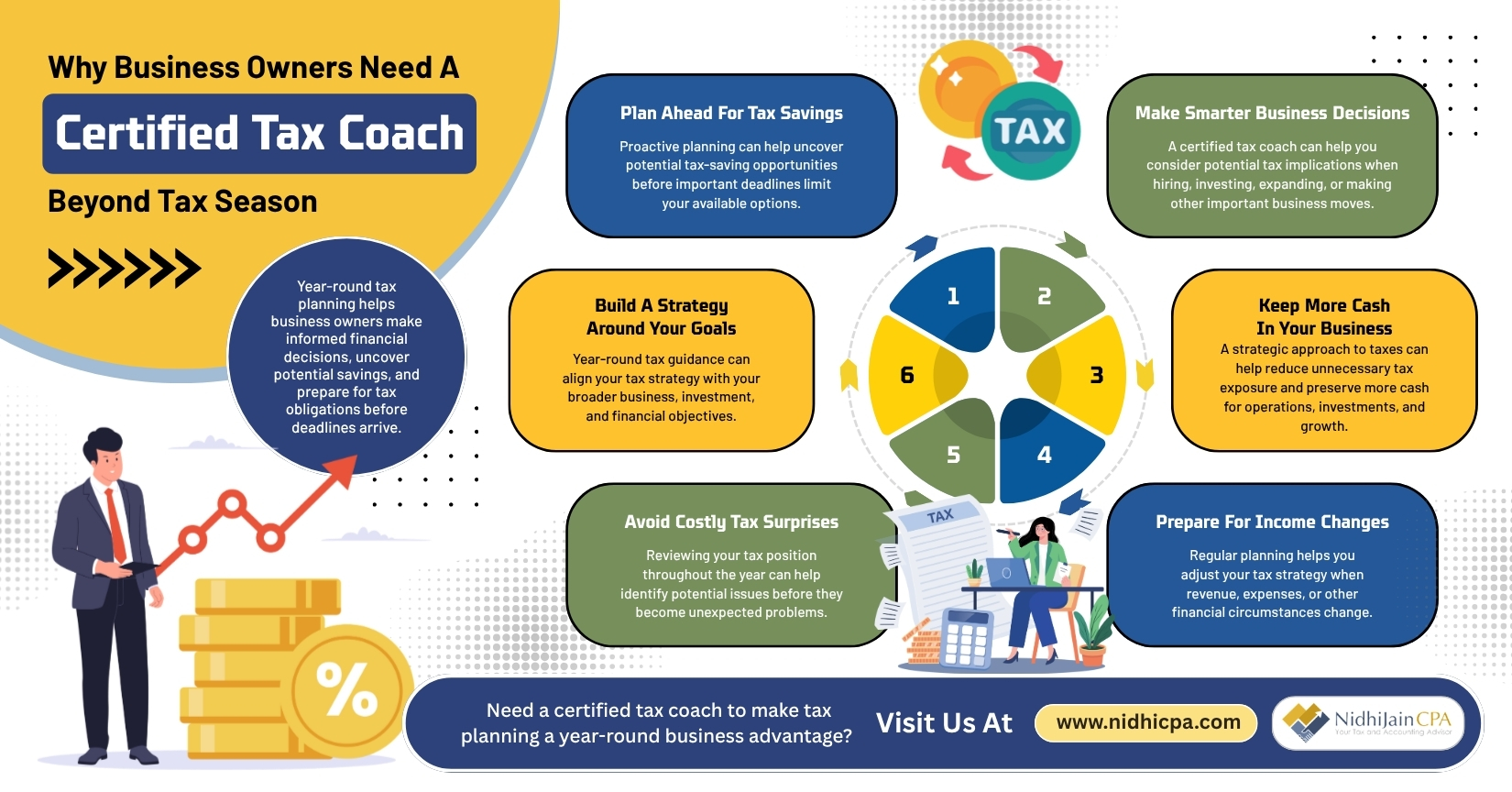
In conclusion, efficient taxation is not just about paying taxes; it’s about strategically managing your tax affairs to ensure compliance and optimization. Each of these six approaches plays a critical role in shaping a holistic tax strategy. If you’re looking to navigate the complexities of taxation with ease, consider reaching out to Nidhi Jain to benefit from every possible deduction and credit.