

Managing business finances no longer has to mean sifting through boxes of faded receipts or rushing to gather documentation during tax season. Today’s smartphones, combined with mobile apps and intuitive tools, make it possible to track expenses the moment they occur. For business owners and individuals alike, this not only reduces stress but also ensures every deduction is accounted for. By leveraging smart workflows and technology, you can turn your phone into a pocket-sized assistant that supports better financial management and maximizes tax efficiency.
Why Real-Time Expense Tracking Matters
Real-time expense tracking solves this problem by creating a habit of recording costs as they happen. Instead of waiting for month-end reconciliations or scrambling before deadlines for individual tax filing or business tax filing, you’re left with a clear, organized record. This proactive approach not only saves time but also helps improve your company’s financial health and readiness for tax and accounting services.
Leveraging Mobile Apps and OCR Tools
The real power of your smartphone lies in its ability to integrate with expense-tracking apps. Many apps now use Optical Character Recognition (OCR) to scan and categorize receipts instantly. Simply snapping a picture of a receipt allows the app to log vendor details, purchase category, and amount. For business owners considering tax planning services, this ensures that every expense aligns with deductible categories.
Mobile apps can also connect with credit card accounts or bank feeds, making reconciliation seamless. This means less guesswork, fewer manual entries, and fewer headaches for anyone relying on bookkeeping or preparing for tax resolution services. With reliable digital tools, you can also establish better habits for both business-related deductions and personal tax filing.

Simple Workflows That Eliminate Stress
Smartphone hacks don’t need to be complicated. Setting up straightforward workflows makes expense tracking sustainable:
- Create categorieswithin your app that match those used for business tax services
- Link receipts with calendar events, so that expenses tied to meetings, travel, or client dinners are automatically cross-referenced.
From Real-Time Tracking to Smarter Tax Planning
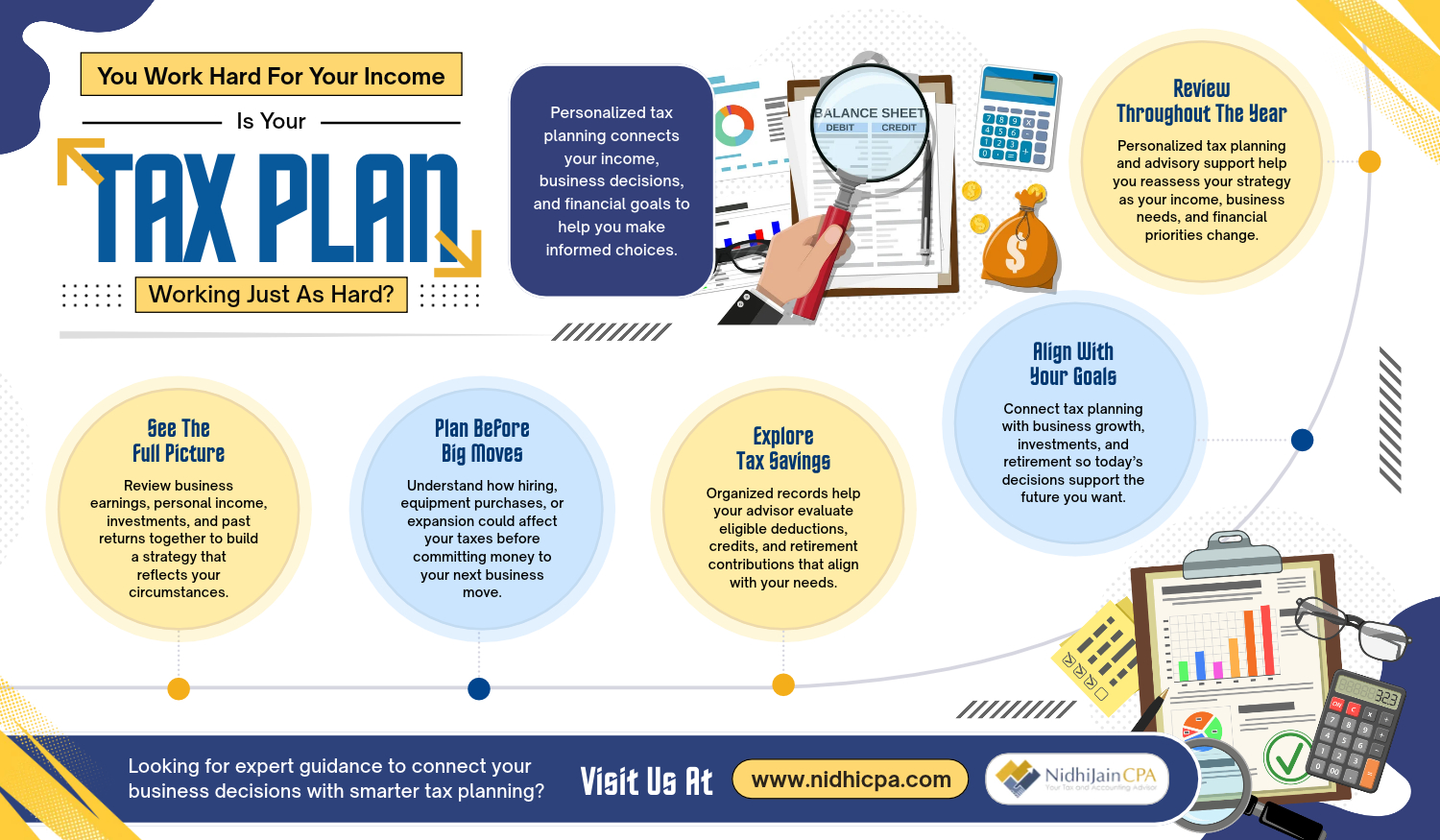
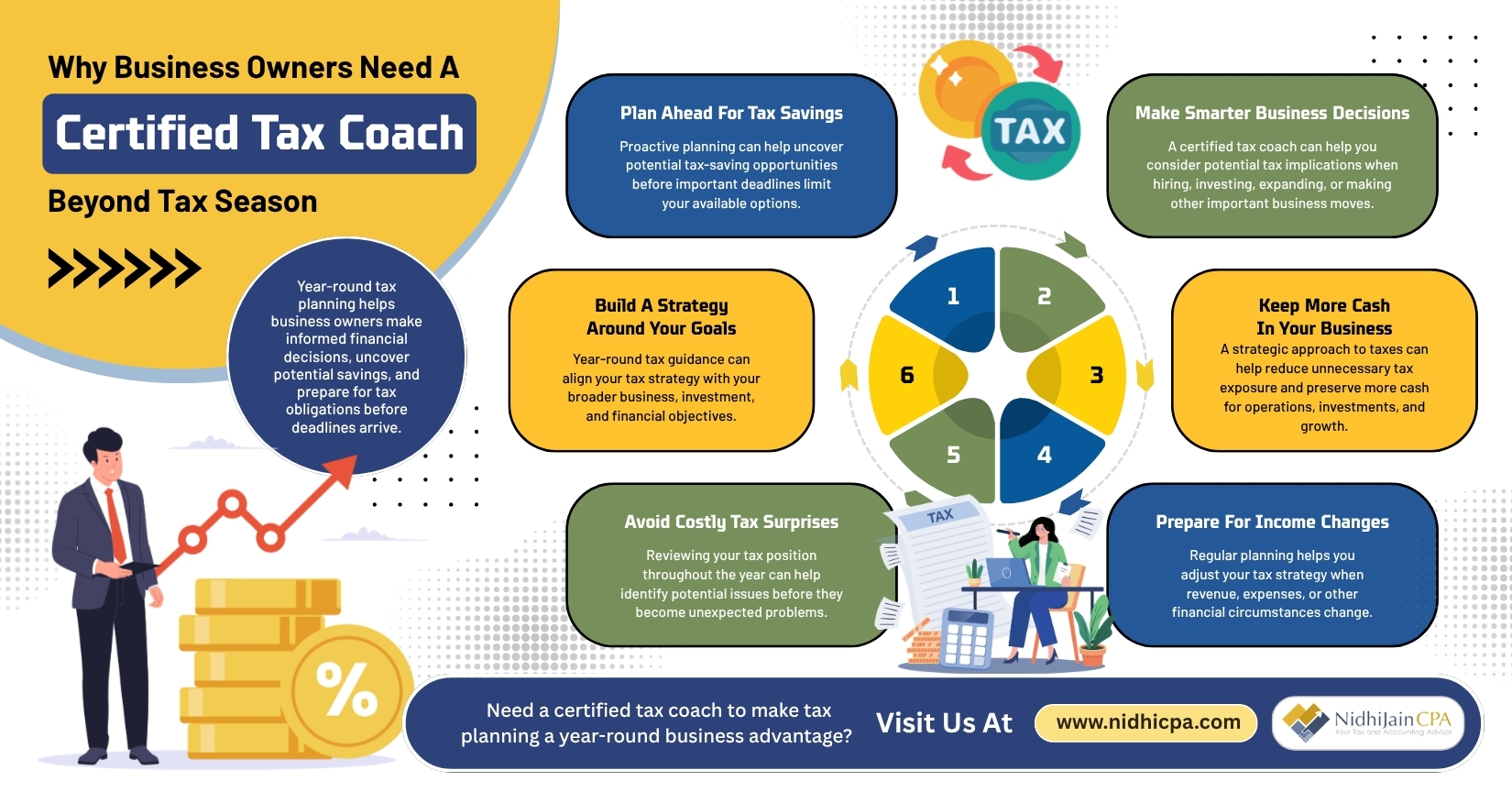
Expense tracking is not just about organization—it’s about strategy. When you consistently capture deductions, you gain clearer insights into spending patterns. This allows you to forecast cash flow, manage budgets more effectively, and make informed decisions for growth.
For businesses, this can mean identifying tax-saving opportunities that feed directly into stronger tax planning consultant strategies. For individuals, it streamlines personal tax preparation and access to specialized international tax support. Accurate, real-time records create a solid foundation for collaboration with your tax advisor ensuring that your deductions work in your favor.
Smarter Tracking, Stronger Financial Strategies
Nidhi Jain CPA blog highlights how smarter financial tracking can lead to stronger strategies for both personal and business needs. As a solo practitioner, I’ve seen how delayed expense tracking often causes clients to miss valuable deductions, but by using smartphone-based tools alongside professional accounting guidance, scattered records can turn into actionable insights. On my blog, you’ll find practical advice on tax planning, and working with a trusted tax advisor, helping you stay proactive and build financial habits that create long-term benefits.