
Tax season often brings a whirlwind of deadlines, forms, and last-minute calculations, leaving many scrambling to minimize liabilities and maximize savings. But here’s the truth: early tax planning is not just for avoiding penalties; it can save you thousands of dollars. Let’s explore why taking a proactive approach to your taxes pays off, and how working with a skilled tax advisor in San Francisco can make a significant difference to your financial health.
The Value of Early Tax Planning
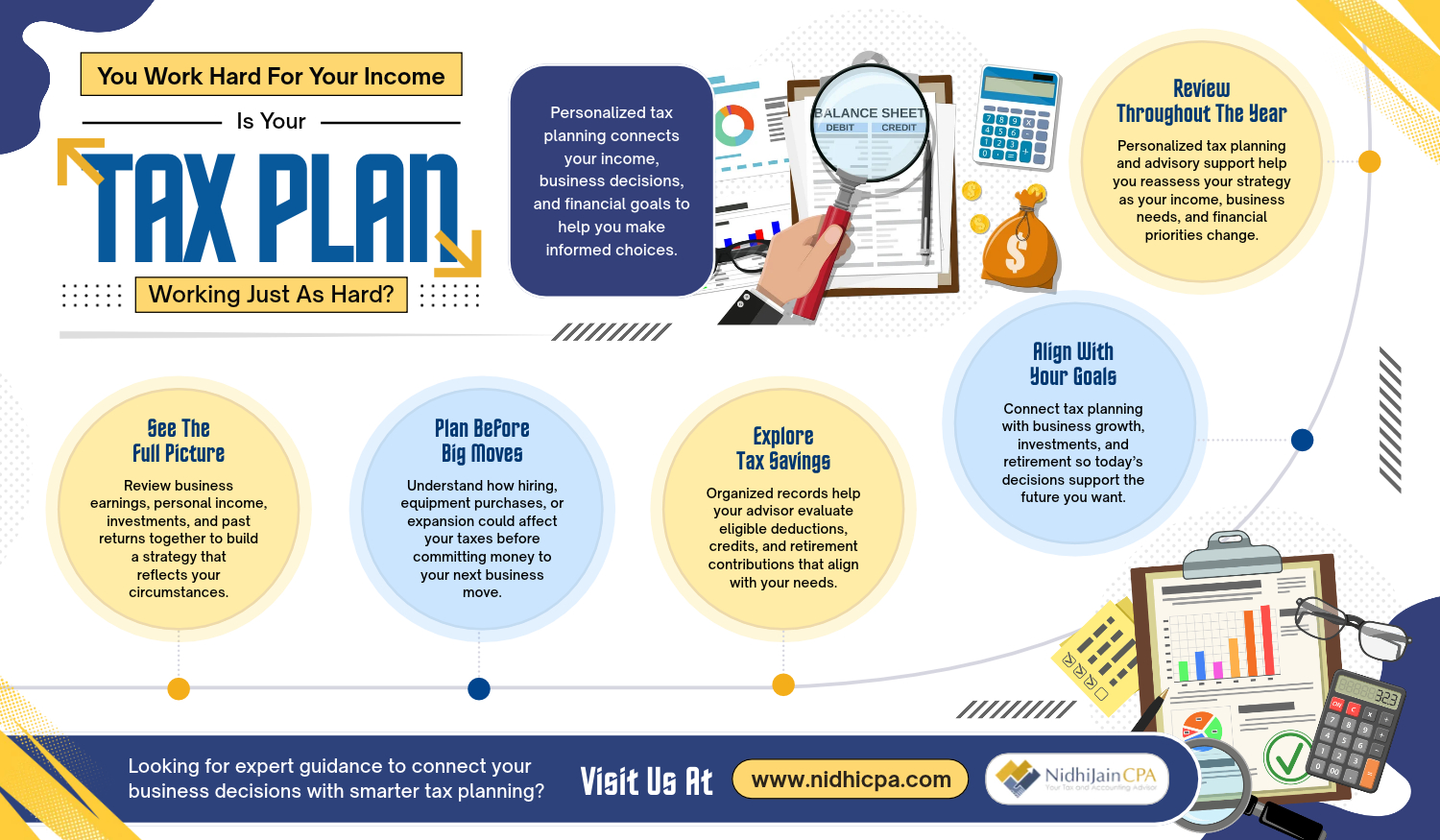
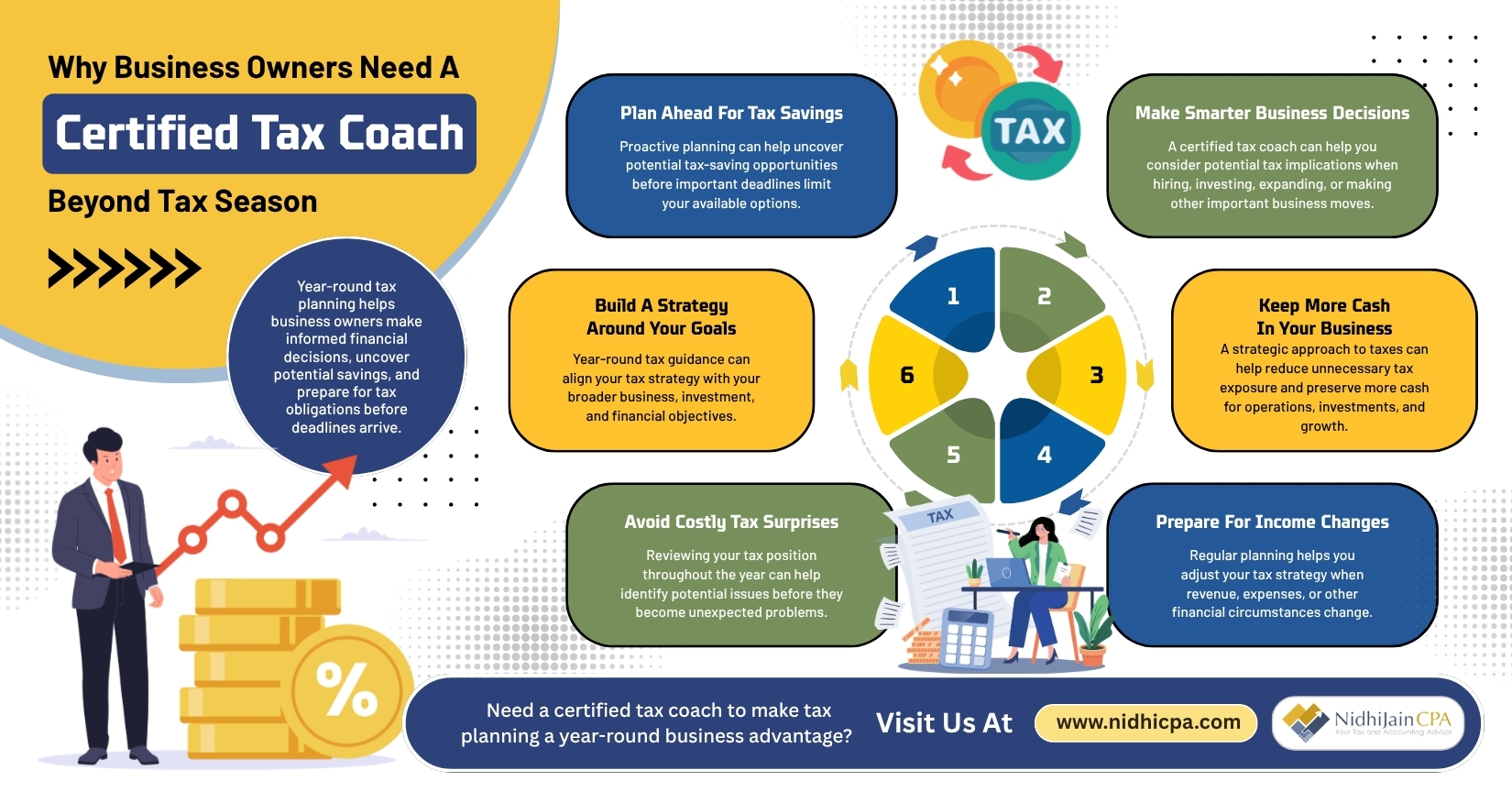
Early tax planning allows you to evaluate your income, expenses, and potential deductions well ahead of the filing season. By assessing your tax situation in advance, you can implement strategies that optimize deductions, take advantage of credits, and reduce your taxable income. Rather than simply reacting to your tax situation, you gain control over it. This approach often results in significant tax savings that can be reinvested in your business or personal goals.
Maximize Deductions and Credits
The tax code is filled with deductions and credits designed to benefit taxpayers. However, without early tax planning, you might miss out on valuable opportunities. Whether you’re looking to make charitable contributions, take advantage of tax-deferred retirement accounts, or time major purchases strategically, a tax consultant can help you create a tailored plan that minimizes your tax burden.
For business owners, strategic planning for business tax filing can make all the difference. By managing expenses, and capital investments you can optimize your taxes for current and future years. Working with a CPA in San Francisco who understands local laws and federal guidelines ensures you’re in full compliance while keeping more of your hard-earned money.
Effective Strategies Through Bookkeeping and Accounting Services

Sound bookkeeping practices are the backbone of effective tax planning. Comprehensive bookkeeping and accounting services offer more than just numbers; they provide insight into your financial trends, allowing you to make data-driven decisions. By maintaining up-to-date financial records, you can identify tax-saving opportunities earlier in the year. If you’re unsure how to keep meticulous records, partnering with a tax advisor in San Francisco or a personal tax accountant is a wise investment.
Avoid Costly Mistakes
A rushed tax process often leads to errors, penalties, and missed deductions that could have otherwise saved you thousands of dollars. Early tax planning minimizes the risk of mistakes, especially when a personal tax accountant reviews your finances throughout the year. The cost of fixing mistakes can be steep, making proactive tax planning a financial necessity rather than an option.
How Nidhi CPA Can Help
When it comes to early tax planning, having the right professional on your side can make all the difference. Nidhi CPA offers a comprehensive range of services including bookkeeping and accounting services, personal and business tax filing, and expert advice from an experienced CPA in San Francisco. Let me help you maximize your tax savings and keep more of what you earn. Connect with me today and experience the difference that early planning can make.