

The gig economy has changed how people earn, especially in the Bay Area, where flexibility and independence are highly valued. From rideshare drivers to consultants and creatives, more individuals are working for themselves than ever before., But with that freedom comes responsibility, particularly when it comes to gig economy taxes. Unlike traditional employees, freelancers do not have taxes automatically withheld, which makes planning and tracking essential. That is where a clear understanding of Bay Area bookkeeping and accounting becomes critical to staying organized and compliant.
Self-Employment Income and Tax Responsibilities
When you earn income as a freelancer, you are considered self-employed. This means you are responsible for reporting all income, even if you do not receive formal tax documents like a W-2. Instead, you may receive 1099 forms or simply track your own payments. One of the biggest surprises for many freelancers is the self-employment tax, which covers Social Security and Medicare. This tax is in addition to your regular income tax, and it can add up quickly if you are not prepared.
Maximizing Deductions the Right Way
Deductions are one of the most powerful tools available to freelancers. Expenses that are ordinary and necessary for your work can often be written off. This includes things like mileage, home office costs, software subscriptions, and even part of your phone bill. Keeping accurate records throughout the year is key to maximizing these deductions. Without proper tracking, you risk missing out on savings or facing challenges during an audit.
Staying on Track with Estimated Taxes
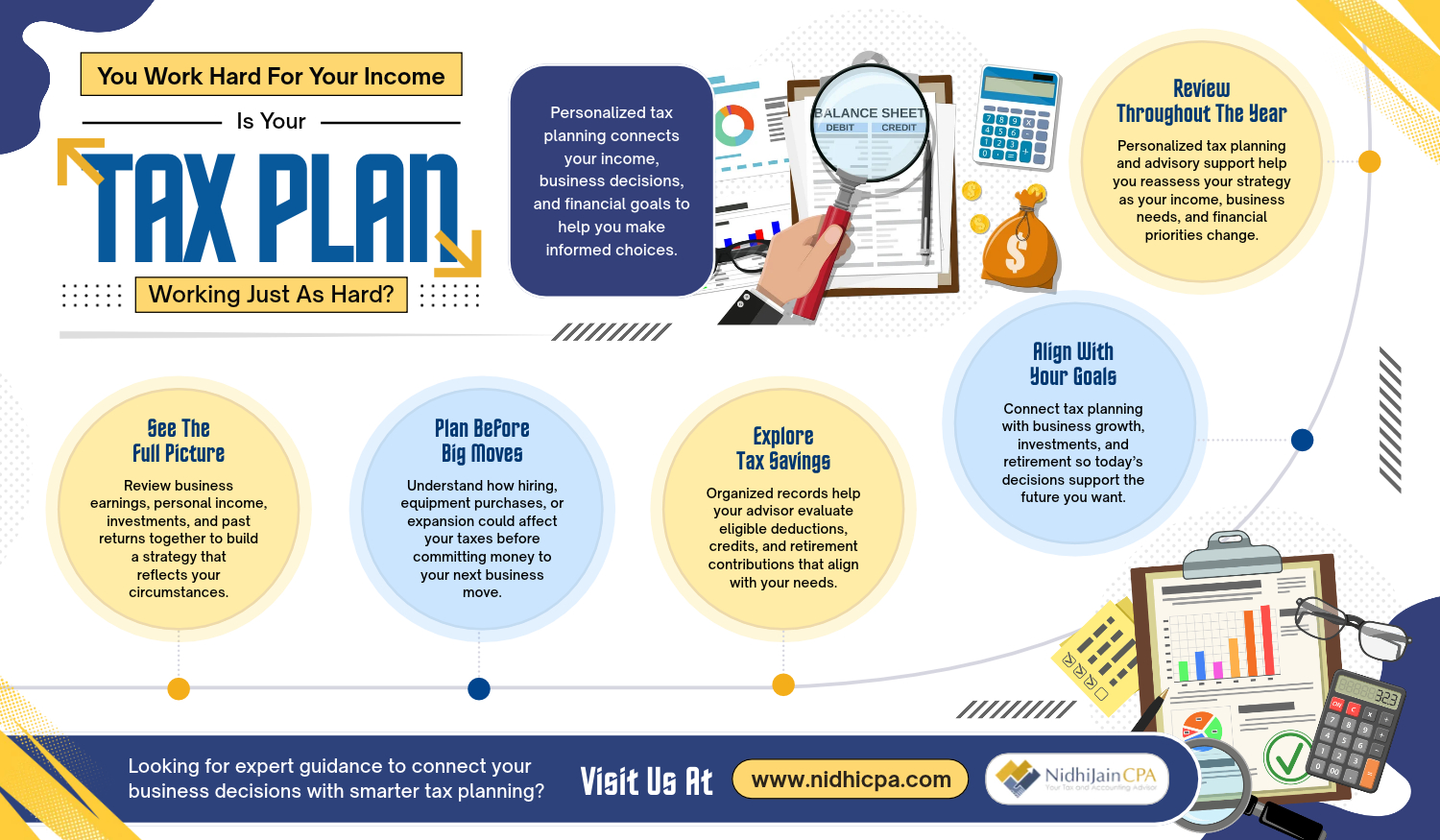
Estimated quarterly taxes are another important aspect of freelancing. Since taxes are not withheld automatically, you are expected to pay them throughout the year. Missing these payments can result in penalties and interest. Planning ahead with reliable tax planning services helps ensure you stay on track and avoid surprises when tax season arrives. Consistency is more important than perfection here, and even small, regular payments can make a big difference.
Choosing the Right Business Structure
Another factor to consider is how your business is structured. Many freelancers start as sole proprietors, but as income grows, other structures may offer tax advantages. Understanding when to make that transition is important, and this is where professional guidance becomes valuable. With the right business tax services, you can evaluate your options and choose a structure that aligns with your financial goals.

Navigating California Tax Requirements
Freelancers in the Bay Area also need to be mindful of local and state tax requirements. California has its own set of rules that can impact how much you owe. Staying informed and proactive helps you avoid costly mistakes and ensures that you remain compliant across all levels.
Stay Compliant, Stay Financially Strong With Us
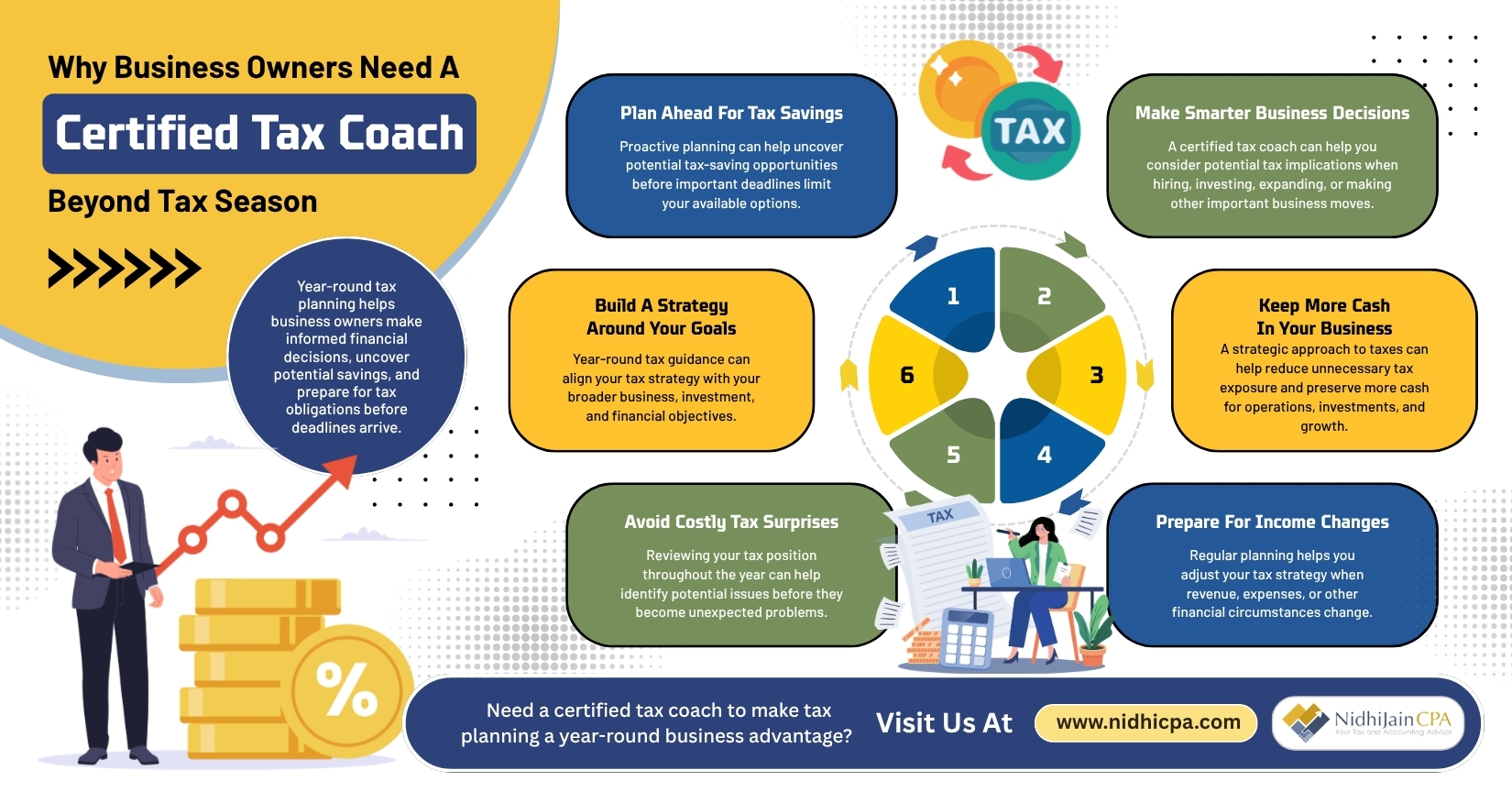
Managing gig economy taxes does not have to be overwhelming. With the right systems in place and consistent tracking, you can stay in control of your finances and focus more on growing your work. The key is to treat your freelance income like a business from day one.
If you are looking for expert guidance, Nidhi Jain CPA is here to help. We provide support tailored to freelancers, offering Bay Area bookkeeping, tax planning services, and access to an experienced accountant in San Jose, California. Whether you are just starting out or scaling your income, we can help you stay organized and confident in your financial decisions.
Get in touch with us.