When a Tax Consultant Is Better Than DIY Software: The 2026 Decision Guide

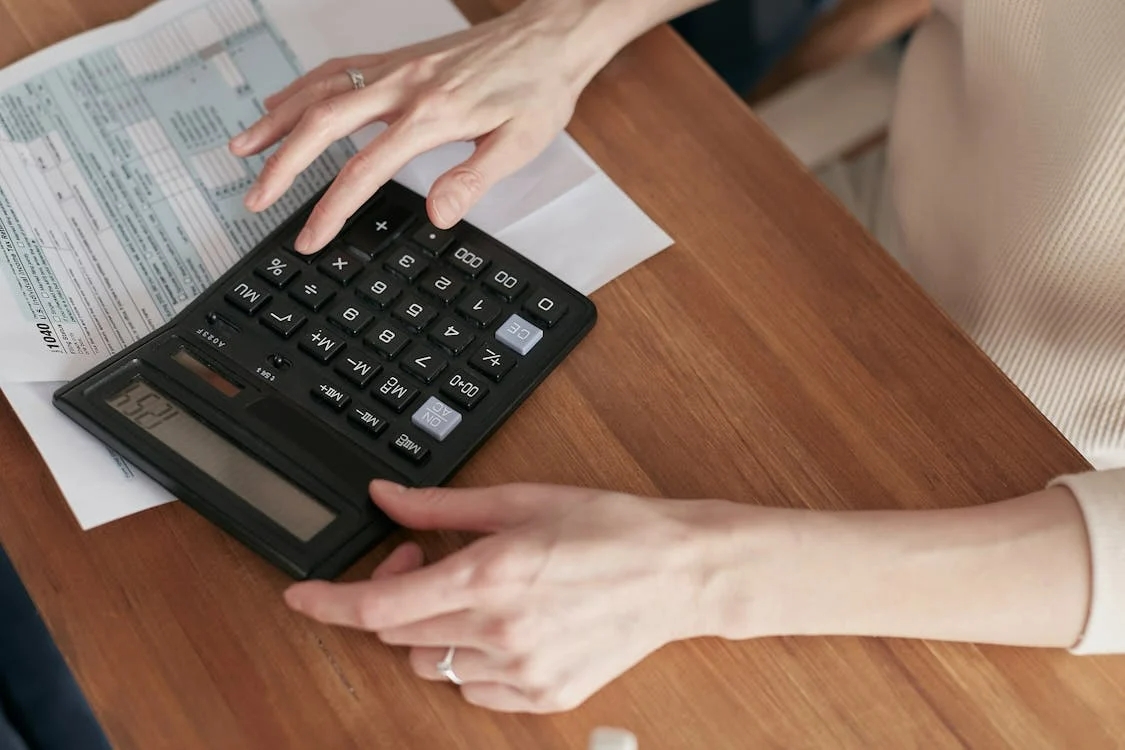
Woman using calculator

Tax software has come a long way. For simple filings, it can feel fast, affordable, and reassuringly automated. But as 2026 approaches, many business owners are realizing that convenience doesn’t always equal clarity. Between evolving tax regulations, increased IRS scrutiny, and more complex business structures, there’s a growing gap between what DIY tools can handle and what businesses actually need. That’s where professional guidance becomes essential.

At Nidhi Jain CPA, we help business owners understand when clicking “submit” is enough — and when working with a certified public accountant can protect growth, cash flow, and long-term strategy.

Where DIY Tax Software Falls Short

Tax software is built around standardized logic. It assumes clean data, predictable income streams, and straightforward deductions. But most growing businesses don’t operate in neat boxes. Changes in revenue, entity structure, multi-state activity, or timing of expenses can create tax outcomes software doesn’t fully explain.

While software may complete individual tax filing accurately, it often lacks the ability to interpret gray areas or proactively flag risk. In 2026, with expanded reporting requirements and tighter enforcement around deductions, those blind spots matter more than ever.

DIY tools also focus on filing — not planning. They tell you what you owe, not how to legally reduce it next year.

The Value of Strategic Tax Planning

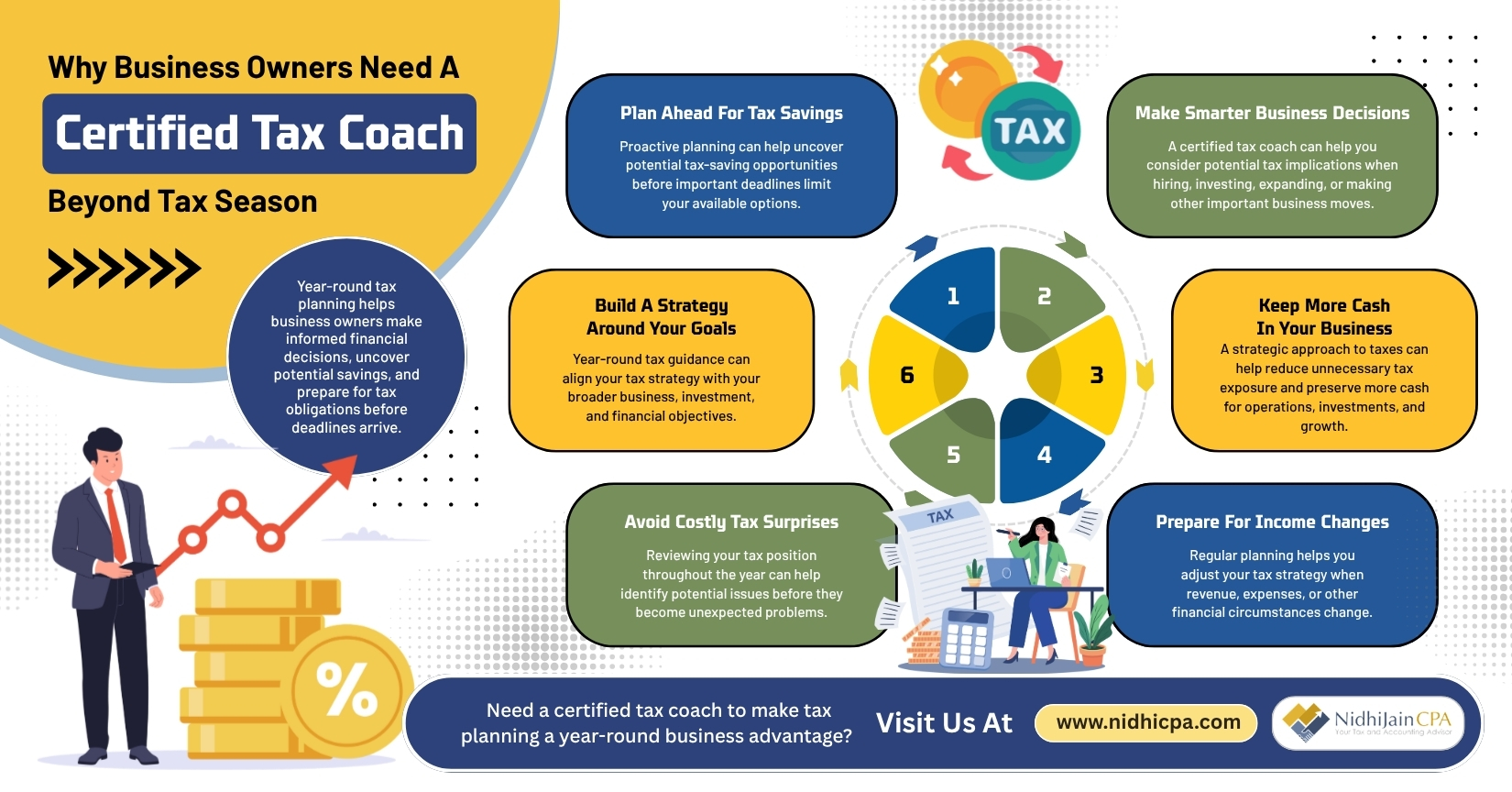
Professional tax planning services go far beyond compliance. They’re about anticipating outcomes before decisions are made. When we work with business owners, tax planning is integrated into financial strategy — not treated as an afterthought.

A skilled tax planning consultant evaluates timing, structure, and documentation to help businesses keep more of what they earn. This includes aligning bookkeeping with tax strategy, optimizing deductions, and planning for future growth or transitions.

Unlike automated tools, professional guidance adapts to your business in real time.

Bookkeeping Accuracy Drives Better Tax Outcomes

Accurate bookkeeping is the foundation of effective tax planning. Inconsistent categorization, missed expenses, or delayed reconciliation can quietly inflate tax liability.

Through bay area bookkeeping support tailored to businesses, we help ensure financial records are clean, current, and decision-ready. When bookkeeping and tax planning work together, business owners gain clearer insight into cash flow, profitability, and upcoming obligations.

This integrated approach reduces surprises and supports confident decision-making throughout the year.

When Expert Guidance Prevents Risk

As businesses grow, so does exposure. Missed deductions, misclassified income, or poor documentation can lead to penalties or costly corrections later. A proactive tax advisor doesn’t just react to notices — they help prevent them.

Working with a tax consultant near you means having someone who understands how regulatory changes affect real businesses, not just theoretical scenarios. That insight becomes increasingly valuable as tax laws continue to evolve heading into 2026.

Choosing Confidence Over Convenience

Woman writing notes beside a laptop on a desk

DIY software is a tool — not a strategy. For business owners who want clarity, control, and forward-looking guidance, professional advisory support offers measurable value.

At Nidhi Jain CPA, we provide personalized business tax services and strategic bookkeeping support designed for modern businesses navigating complex tax landscapes alone — not through a one-size-fits-all platform.

Ready to move beyond guesswork and into strategy?

Nidhi Jain CPA provides business tax planning and bookkeeping services for clients in San Francisco, San Jose, and across the Bay Area — and beyond. Contact us to plan smarter for 2026 and the years ahead.
Related Blogs

photo showing a person showing a document to two elderly people

Earning income from outside the United States can introduce additional considerations when preparing a U.S. tax return. U.S. citizens and resident taxpayers are generally subject to U.S. federal income tax on worldwide income, meaning certain foreign earnings and financial interests may need to be reported even when the income was earned outside the country. Understanding these responsibilities can help taxpayers avoid missed reporting requirements and unexpected tax issues. …

Laptop, notebook, and printed financial reports arranged on an office desk

Tax trouble often starts months before a return is due. A missed receipt, unreconciled bank account, or incorrect expense category can distort taxable income. The IRS generally suggests keeping tax records for three years, while employment tax records should be kept for at least four years.

That is why business bookkeeping should be handled every month, not rebuilt at year-end. A short monthly routine gives owners cleaner reports, better cash flow visibility, and stronger support for deductions.

Reconcile Every Financial Account

Compare each bank, credit card, loan, and payment processor balance with the bookkeeping system. Investigate missing deposits, duplicate charges, fees, returned payments, and transfers.

Complete this task before closing the month. Otherwise, errors can carry into future reports and make taxable profit look higher or lower than it is.

Record and Categorize Expenses

Enter every business purchase with the correct date, vendor, amount, and category. Save the receipt or invoice with the transaction.

Pay close attention to:

  • Software subscriptions
  • Insurance premiums
  • Travel and mileage
  • Advertising costs
  • Professional fees
  • Equipment purchases

Repairs, supplies, and equipment may receive different tax treatment. A certified public accountant can help set up categories that support accurate bookkeeping and accounting.

Review Receivables and Payables

Run an accounts receivable report each month. Follow up on overdue invoices and record customer payments correctly. Then review unpaid vendor bills and due dates.

Calculator and pen placed on printed business charts and financial reports

This helps owners distinguish revenue earned from cash collected. It also shows how much cash is committed to bills, loan payments, and taxes.

Check Tax Accounts

Confirm wages, employer taxes, benefits, reimbursements, and contractor payments.

Also review sales tax and estimated tax accounts. These balances should not be treated as available operating cash. Monthly checks make it easier to find missing payments before deadlines.

Run Key Financial Reports

Review the profit and loss statement, balance sheet, and cash flow report. Compare the current month with the prior month, budget, and same period last year.

Look for sharp changes in sales, margins, debt, or operating costs. Ask your CPA in Bay Area about entries that do not match business activity.

Create a Monthly Closing Checklist

Use the same steps every month and assign a completion date. Consistency reduces rushed corrections during filing season.

Keep Your Books Tax-Ready With Nidhi Jain CPA

Nidhi Jain CPA provides business bookkeeping support for owners who need organized records and clear financial reports. Our bookkeeping and accounting services include reconciliations, expense reviews, and monthly reporting. Work with our certified public accountant who can help keep your records ready for tax filing all year. Contact us now.

The United States has 36.2 million small businesses, and they employ 62.3 million people, according to the U.S. Small Business Administration.

That means millions of owners make tax, debt, and investment decisions every day. Yet many speak with a CPA only when a return is due. By then, a missed payment, weak bookkeeping process, or poorly timed purchase may be difficult to correct. Asking the right financial questions before hiring a CPA can help you find someone who supports compliance and better decisions.

What Is My Real Cash Flow Position?

Profit does not always equal cash in the bank. Ask the CPA to explain how much cash remains after loan payments, owner withdrawals, taxes, and overdue invoices.

Request a monthly cash flow forecast. It should show expected receipts, fixed bills, tax payments, and periods when cash may become tight. This helps you decide when to hire, buy equipment, or delay spending.

Are My Books Ready for Tax Filing?

Ask how often bank, credit card, loan, and payment processor accounts should be reconciled. Also ask who will review uncategorized transactions, owner payments, and unpaid invoices.

Good bookkeeping should produce a profit and loss statement and balance sheet that agree with supporting records. A certified public accountant in Bay Area should also explain which documents must be kept for deductions.

Financial professional discussing a printed report with a business owner

Am I Paying Enough Tax During the Year?

Federal income tax generally follows a pay-as-you-go system. Business owners may need withholding or estimated payments during the year.

Ask your CPA to recalculate payments when revenue, deductions, or owner income changes. Tax planning should also cover retirement contributions, asset purchases, credits, and the timing of income and expenses.

Does My Business Structure Still Fit?

The SBA states that business structure affects taxes, operations, and personal asset exposure.

Ask how your sole proprietorship, partnership, LLC, S corporation, or C corporation affects owner pay, filing costs, and state taxes. An entity change may add fees and reporting duties, so compare the full annual cost before making a decision.

What Should I Prepare for Next?

Ask for a 12-month plan covering hiring, financing, expansion, estimated taxes, retirement contributions, and major purchases. Also ask how often you will meet and which reports the CPA will provide.

Clear communication matters. Confirm which services are included, how quickly questions are answered, and who will handle your account. This helps prevent confusion when deadlines or major financial decisions arise.

Ask Better Questions With Nidhi Jain CPA

Nidhi Jain CPA helps business owners connect bookkeeping, tax planning, cash flow, and future decisions. Review the financial questions before hiring a CPA with a certified public accountant who can help build a clear financial plan based on your business needs. Contact us now.