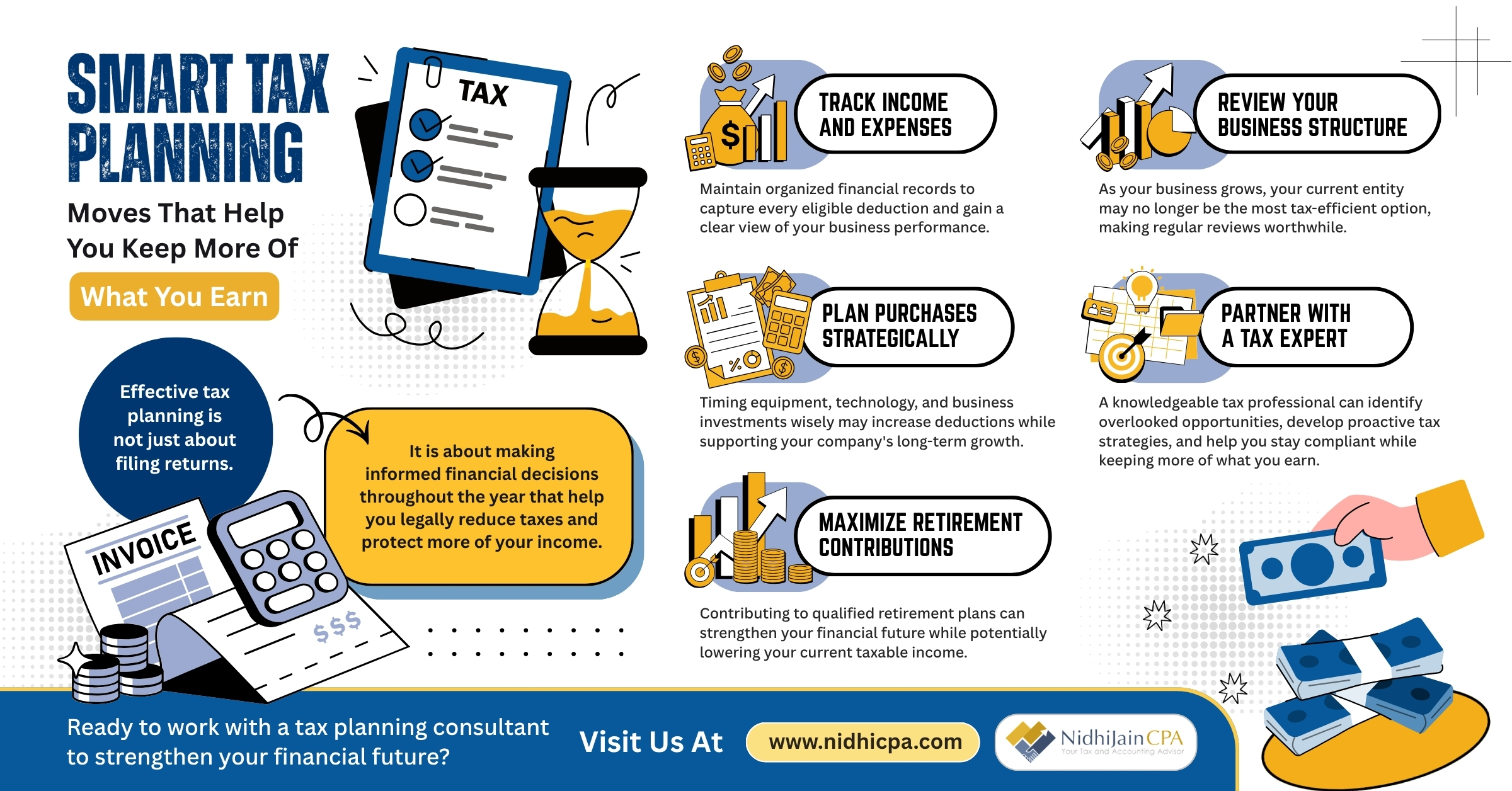


The standard deduction is getting a nice bump in 2025, and that means more money in your pocket! For individual taxpayers, this change could be a game-changer when it comes to tax time. The good news is that this increase in the standard deduction 2025 will help reduce your taxable income, but how can you maximize this benefit? Let’s dive in!
More Room for Tax Savings
With the standard deduction 2025 set to rise, you’ll be able to deduct more from your taxable income, meaning less of your earnings will be taxed. But does this mean itemizing deductions is now off the table? Not necessarily! There are still scenarios where itemizing might save you more, like if you have big medical expenses or a mortgage. It’s all about figuring out whether your total itemized deductions exceed the standard deduction in 2025.
Keep Those Receipts!
Even if you plan to take the standard deduction in 2025, record-keeping is still important. You might have eligible expenses like charitable donations, medical bills, or even home office expenses. Tracking these things can pay off in case your deductions change or if you decide to itemize down the road. Plus, keeping good records is always smart when you want to stay on top of your finances.
When to Consider Itemizing
While the standard deduction 2025 will make it easier for many to file, itemizing may still be beneficial if you’re in the middle of major life changes—think buying a home, dealing with high medical costs, or supporting a family member. Every situation is different, so be sure to assess your unique financial picture.
Understanding Phase-Out Limits and Eligibility
While the standard deduction 2025 increase benefits many taxpayers, it’s important to understand phase-out limits for certain deductions and credits. Some tax benefits, like the Child Tax Credit or education deductions, may be reduced or eliminated at higher income levels. If your income is near these thresholds, proper tax planning strategies can help minimize taxable income and maximize available deductions. A certified tax planner or an international tax accountant can analyze your specific financial situation and guide you on structuring income and expenses to ensure you don’t miss out on potential tax savings.
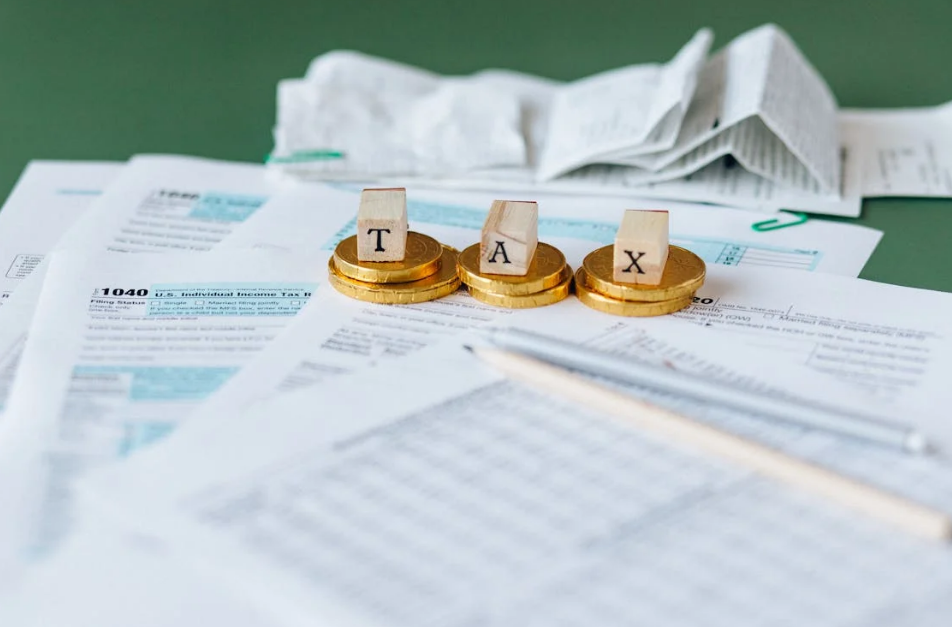
How the Increase Affects Your Taxes
From bookkeeping to tax planning, working with a professional can help you maximize tax savings and make the most of the standard deduction in 2025. Understanding key tax strategies is essential, and staying informed can make all the difference. For expert insights from a tax advisor in San Jose, explore our blog at Nidhijain CPA and stay ahead of tax changes.