

Choosing the right approach to bookkeeping can significantly impact a small business’s efficiency and accuracy. With numerous options available—from cloud bookkeeping tools to full-service CPA partnerships—business owners must decide what best suits their needs and growth plans. This decision hinges on balancing cost, control, expertise, and scalability. Automating bookkeeping with software can streamline routine tasks, while outsourcing to experienced accountants or CPA firms provides specialized oversight and strategic insights.
The Benefits of Automating Bookkeeping with Cloud Tools
For small teams aiming to increase efficiency, cloud bookkeeping tools are an attractive option. These platforms enable real-time data entry, automatic bank feeds, and simplified reconciliation processes, reducing manual errors. Automation allows business owners to focus on core activities, minimizing the time spent on administrative tasks.
When to Outsource Bookkeeping to Professionals
As a business grows, the complexity of financial records increases, often making outsourcing a better choice. Engaging accountants or a CPA in Bay Area provides access to expertise that ensures compliance with evolving regulations and accurate business tax services. Outsourcing bookkeeping also helps in strategic areas like tax planning and tax resolution services, which are critical during tax season or when facing audits. For companies dealing with international transactions or needing specialized knowledge, an international tax accountant or tax advisor in Bay Area can offer tailored guidance.
Making the Right Choice Based on Business Stage and Needs

The decision between automating and outsourcing hinges on the business’s current stage and operational complexity. Early-stage startups or solo entrepreneurs might prefer cloud bookkeeping for cost-effectiveness and simplicity, while established businesses with growing transaction volumes might require the strategic insight and accuracy that only a certified public accountant can provide. For entrepreneurs considering expansion, understanding when to shift from DIY solutions to professional tax and accounting services ensures scalable growth without compromising the integrity of financial records.
Evolving Focus: From Personal Tax to Business Growth

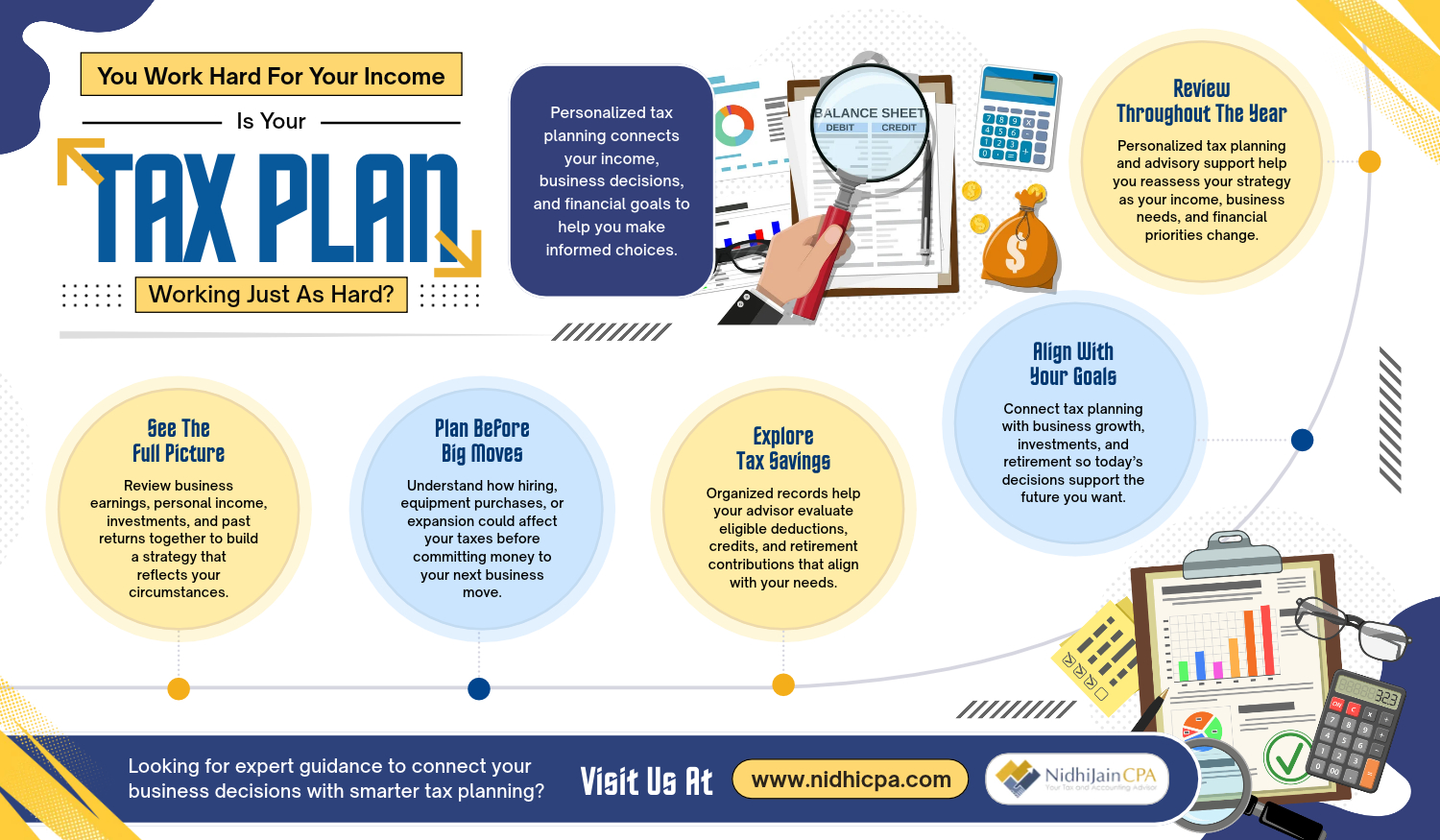
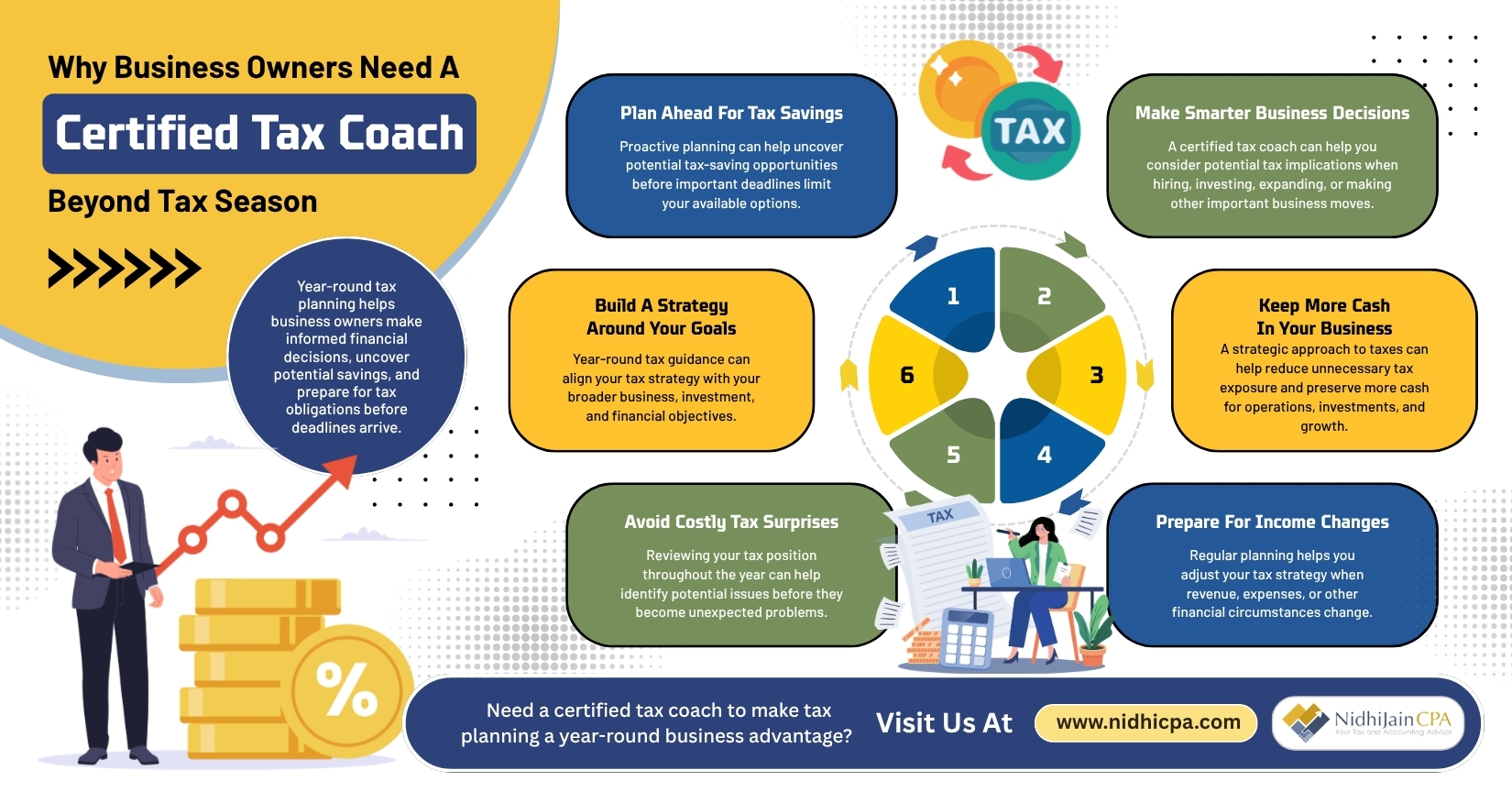
While personal tax support remains part of the service spectrum, the emphasis is shifting toward expanding business tax services and tax planning. This strategic focus helps optimize growth and manage compliance more effectively. As the landscape of Bay Area bookkeeping and accounting evolves, staying informed about current affairs, such as changes in tax laws or mortgage-related requirements, can provide a competitive edge. Incorporating these insights into a comprehensive financial strategy ensures that businesses remain compliant and financially healthy.
Unlock optimal bookkeeping strategies with expert insights.
Explore how can you enhance your tax planning today. For more tax tips and insights, read the latest blog from Nidhi Jain CPA. If you’re looking to optimize your bookkeeping and tax planning, I can help you navigate these complex areas. With my expertise in tax and accounting services, I assist small businesses in making informed financial decisions. My goal is to help you grow your business while maintaining compliance and accuracy. Explore my blog for valuable insights on managing business tax services and financial strategies. Stay ahead of regulatory changes and maximize your tax benefits with expert advice. Read my latest posts to learn how to streamline your financial management effectively. Visit my blog for more insights and tips on building a strong financial foundation for your business.