
When a Tax Consultant Is Better Than DIY Software: The 2026 Decision Guide

Woman using calculator

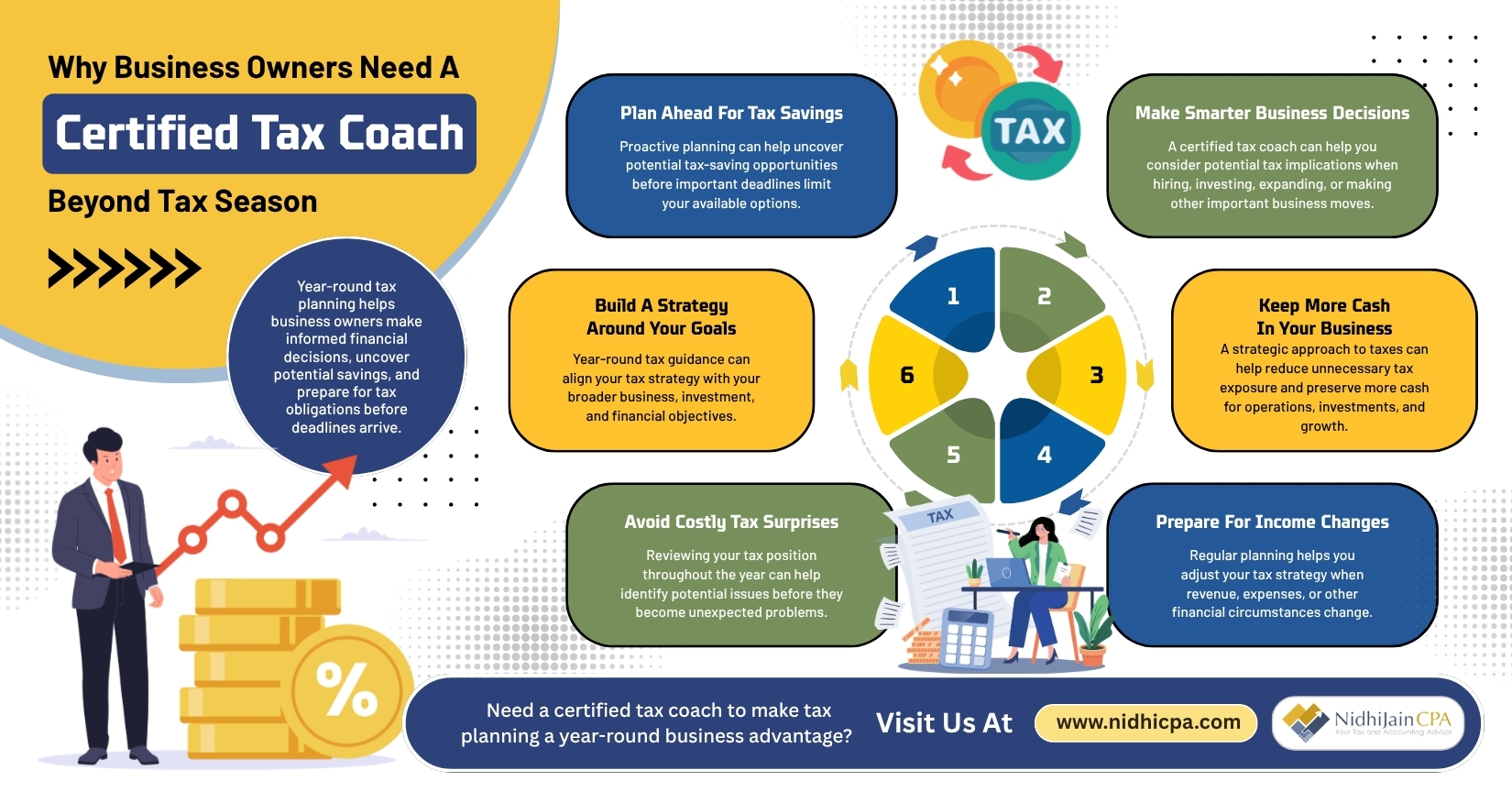
Tax software has come a long way. For simple filings, it can feel fast, affordable, and reassuringly automated. But as 2026 approaches, many business owners are realizing that convenience doesn’t always equal clarity. Between evolving tax regulations, increased IRS scrutiny, and more complex business structures, there’s a growing gap between what DIY tools can handle and what businesses actually need. That’s where professional guidance becomes essential.

At Nidhi Jain CPA, we help business owners understand when clicking “submit” is enough — and when working with a certified public accountant can protect growth, cash flow, and long-term strategy.

Where DIY Tax Software Falls Short

Tax software is built around standardized logic. It assumes clean data, predictable income streams, and straightforward deductions. But most growing businesses don’t operate in neat boxes. Changes in revenue, entity structure, multi-state activity, or timing of expenses can create tax outcomes software doesn’t fully explain.

While software may complete individual tax filing accurately, it often lacks the ability to interpret gray areas or proactively flag risk. In 2026, with expanded reporting requirements and tighter enforcement around deductions, those blind spots matter more than ever.

DIY tools also focus on filing — not planning. They tell you what you owe, not how to legally reduce it next year.

The Value of Strategic Tax Planning

Professional tax planning services go far beyond compliance. They’re about anticipating outcomes before decisions are made. When we work with business owners, tax planning is integrated into financial strategy — not treated as an afterthought.

A skilled tax planning consultant evaluates timing, structure, and documentation to help businesses keep more of what they earn. This includes aligning bookkeeping with tax strategy, optimizing deductions, and planning for future growth or transitions.

Unlike automated tools, professional guidance adapts to your business in real time.

Bookkeeping Accuracy Drives Better Tax Outcomes

Accurate bookkeeping is the foundation of effective tax planning. Inconsistent categorization, missed expenses, or delayed reconciliation can quietly inflate tax liability.

Through bay area bookkeeping support tailored to businesses, we help ensure financial records are clean, current, and decision-ready. When bookkeeping and tax planning work together, business owners gain clearer insight into cash flow, profitability, and upcoming obligations.

This integrated approach reduces surprises and supports confident decision-making throughout the year.

When Expert Guidance Prevents Risk

As businesses grow, so does exposure. Missed deductions, misclassified income, or poor documentation can lead to penalties or costly corrections later. A proactive tax advisor doesn’t just react to notices — they help prevent them.

Working with a tax consultant near you means having someone who understands how regulatory changes affect real businesses, not just theoretical scenarios. That insight becomes increasingly valuable as tax laws continue to evolve heading into 2026.

Choosing Confidence Over Convenience

Woman writing notes beside a laptop on a desk

DIY software is a tool — not a strategy. For business owners who want clarity, control, and forward-looking guidance, professional advisory support offers measurable value.

At Nidhi Jain CPA, we provide personalized business tax services and strategic bookkeeping support designed for modern businesses navigating complex tax landscapes alone — not through a one-size-fits-all platform.

Ready to move beyond guesswork and into strategy?

Nidhi Jain CPA provides business tax planning and bookkeeping services for clients in San Francisco, San Jose, and across the Bay Area — and beyond. Contact us to plan smarter for 2026 and the years ahead.
Related Blogs

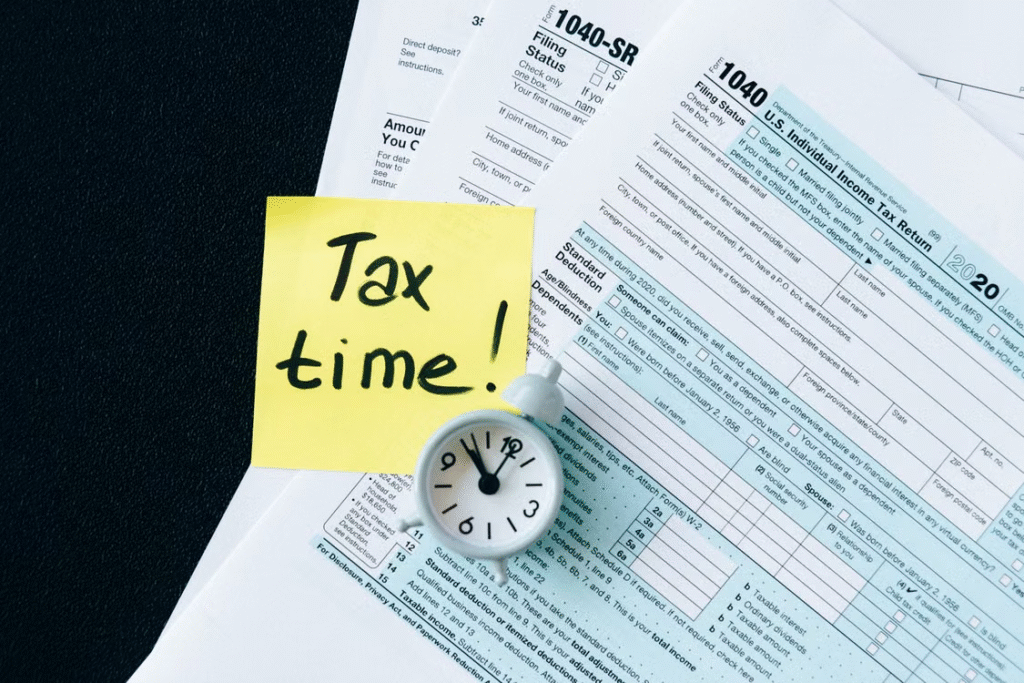
This photo shows some tax documents.

Receiving an IRS notice showing a tax balance can be stressful, particularly when paying the full amount is not financially realistic. Ignoring the balance, however, does not make the liability disappear. Interest and applicable penalties can continue to accrue until the amount is paid.

This guide explains what taxpayers should organize before requesting an arrangement, what payment options may be available, and how IRS payment plan help can make the process easier to navigate.

Start by Understanding What You Owe

Before requesting a payment arrangement, review your IRS notices and determine the tax year, outstanding balance, penalties, and interest involved. Your IRS Online Account can provide information about your current balance and payment history.

If you have unfiled returns, address those obligations as well. Generally, taxpayers must be current with required filings before certain payment plans can be considered.

Prepare the Information the IRS May Need

Having your financial information organized before applying can make the process more manageable.

Gather Your Tax Records

Keep copies of relevant tax returns, IRS notices, previous payment records, and correspondence together. This gives you a clearer picture of the liability you are trying to resolve.

This photo shows some tax documents.

Review Your Income

Collect recent information showing wages, self-employment income, investment income, or other sources of money you receive. Accurate income information can be important when determining what payment arrangement may be appropriate.

Document Your Regular Expenses

Review housing, utilities, transportation, insurance, food, medical expenses, debt payments, and other recurring costs. Some situations may require additional financial information or collection forms.

Do Not Wait Until Collection Problems Escalate

Addressing an unpaid balance promptly gives you more opportunity to understand available options. If you cannot pay everything immediately, paying what you can and exploring an arrangement may be preferable to simply ignoring the liability.

Professional tax resolution services can also help taxpayers review their circumstances and understand potential approaches for addressing outstanding liabilities.

Get Help Addressing an Outstanding Tax Balance

Tax debt can involve more than simply choosing a monthly payment amount. Nidhi Jain CPA provides back tax solution support, tax planning, and accounting guidance to help taxpayers understand their obligations and work toward addressing outstanding balances.

If you need a tax advisor in the Bay Area for an unresolved tax matter, contact Nidhi Jain CPA to discuss your situation.

This photo shows some tax documents on a table.

Choosing a business structure is an important decision for entrepreneurs because the entity selected can influence taxation, reporting, ownership, and ongoing compliance responsibilities. An LLC, S corporation, and C corporation each have different characteristics, and the right choice depends on the business’s circumstances rather than simply choosing the structure with the lowest potential tax burden.

This blog explains key tax and operational considerations business owners should review when evaluating an entity structure, including income, business goals, growth plans, and compliance responsibilities.

Understanding the LLC Structure

A limited liability company, or LLC, is a flexible business structure commonly used by small and growing businesses. For federal tax purposes, an LLC may receive different tax treatment depending on factors such as the number of owners and elections made by the business.

Flexibility

LLCs generally offer flexibility in management and ownership arrangements, which can make them attractive to entrepreneurs with different business models.

Tax Treatment

An LLC may be taxed in different ways depending on its circumstances. Business owners should evaluate how the chosen tax treatment fits their income and future plans rather than assuming one approach is automatically best.

Understanding an S Corporation

An S corporation is a tax designation available to eligible businesses that meet specific requirements. S corporation taxation generally allows business income to pass through to shareholders rather than being taxed at the corporate level in the same manner as a C corporation.

Ownership Requirements

S corporations have eligibility and ownership restrictions that business owners need to understand before selecting this structure.

This photo shows a calculator on top of some documents.

Compensation Considerations

Owners who work for an S corporation may need to consider payroll and reasonable compensation requirements. These responsibilities should be evaluated carefully because they can affect compliance and administrative workload.

Understanding a C Corporation

A C corporation is a separate tax entity that can be appropriate for certain businesses, particularly those with specific growth, investment, or ownership objectives.

Corporate Taxation

C corporations generally pay corporate income tax, and distributions to shareholders can create additional tax considerations. The overall tax impact should therefore be reviewed based on the company’s expected income and plans.

Growth and Investment

Businesses planning significant expansion or seeking certain types of outside investment may consider a C corporation as part of their long-term strategy.

Get Professional Guidance Before Choosing

Nidhi Jain CPA provides tax and accounting services and business tax services to help business owners evaluate their tax considerations and plan around their financial goals. Professional guidance can also support business owners with bookkeeping, tax planning, business tax filing, and other accounting needs as their companies develop.

Contact us to discuss your business structure, tax considerations, and long-term goals so the available options can be evaluated based on your specific circumstances.