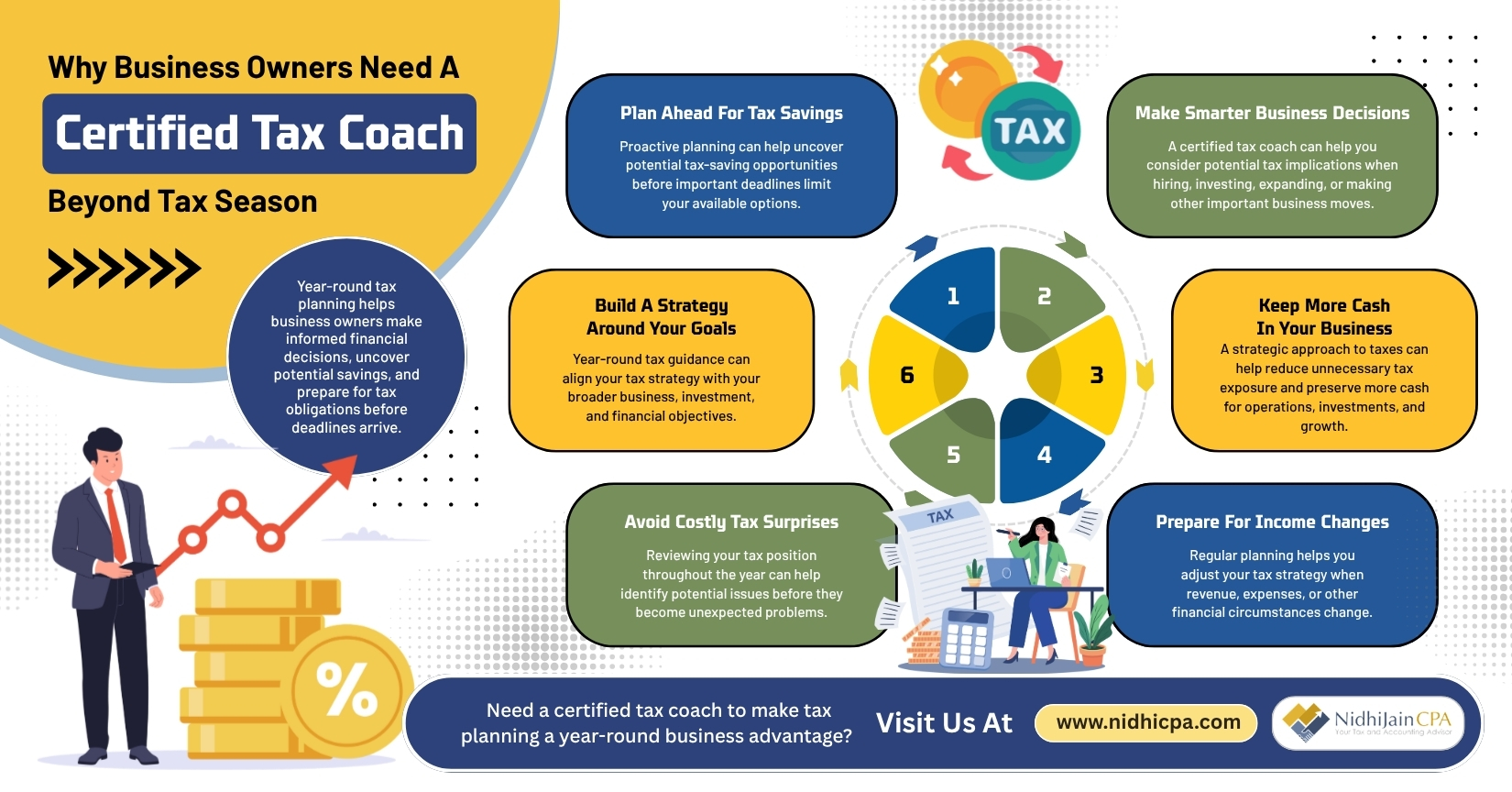


In the quest for financial success, Certified Public Accountants (CPAs) are the experts who light the way with precision and strategic guidance. With their specialized knowledge, rigorous training, and commitment to upholding professional standards, CPAs offer invaluable support to businesses of all sizes. In this blog post, we’ll delve into the vital role of a CPA and why your business needs certified accounting expertise. Take a look:
Expert Financial Guidance
A CPA possesses extensive expertise in accounting principles, tax laws, and financial regulations, enabling them to offer invaluable guidance across various financial domains. From tax planning and budgeting to financial reporting and compliance, a CPA can provide expert advice tailored to the specific needs of businesses.
By tapping into their knowledge and experience, you can make well-informed business decisions, identify potential risks, and optimize financial performance. Rest assured, a certified public accountant serves as a trusted advisor who empowers businesses to achieve their financial goals confidently and efficiently.
Ensure Compliance and Accuracy
In today’s complex regulatory environment, compliance with accounting standards and tax laws is essential for business integrity and credibility. CPAs have a deep understanding of regulatory requirements and ensure that businesses adhere to relevant laws and regulations.
They meticulously review financial records, prepare accurate financial statements, and file taxes in compliance with legal obligations. They help minimize the risk of penalties and legal issues.
Strategic Business Planning
A CPA plays a vital role in strategic business planning by providing insights into financial data and trends. They analyze financial performance, identify areas for improvement, and develop strategic initiatives to drive growth and profitability. So, if you want to expand operations, secure funding, or enter new markets, you can rely on a certified public accountant for valuable guidance to align financial strategies with business objectives.
Tax Planning and Optimization
Tax planning is a critical aspect of business financial management, and CPAs excel in this area. They assess tax implications, identify opportunities for tax savings, and develop strategic tax plans to minimize liabilities while maximizing deductions and credits.
Simply stated, their in-depth knowledge of tax laws & regulations, CPAs help businesses optimize their tax position and maximize savings.
Audit and Assurance Services
CPAs provide audit and assurance services to ensure the accuracy and reliability of financial information. Whether conducting internal audits to assess internal controls and operational efficiency or performing external audits to assure stakeholders, CPAs offer objective evaluations of financial performance and integrity, enhancing transparency and trust.
Risk Management and Fraud Prevention
CPAs assist with risk management and fraud prevention by implementing robust internal controls and monitoring financial activities. They also assess potential risks, their operational impact, and risk mitigation strategies. With their expertise in forensic accounting and fraud detection, CPAs help businesses safeguard assets and prevent financial fraud.
Wrapping Up
Businesses can leverage certified accounting expertise to navigate challenges, achieve their financial goals, and thrive in the competitive marketplace by partnering with a trusted CPA in Bay Area like Nidhi Jain. Schedule a consultation today.