Smart Deduction Tracking for Self-Employed Professionals in 2025

Have you ever looked at your year-end expense report and wondered how many legitimate deductions might be slipping through the cracks? Many self-employed professionals miss eligible deductions due to poor recordkeeping. In an era where every transaction can be digital, this oversight translates directly into lost savings and increased audit risk.

That’s where professional tax and accounting services can make all the difference. At Nidhi Jain CPA, we understand how complex expense tracking can be when you’re juggling multiple clients, invoices, and payment apps. Our approach combines precise documentation strategies with efficient accounting practices that not only streamline tax filing but also minimize audit exposure.

In this post, we’ll share the best practices for digital expense tracking in 2025, explain how professional accounting oversight safeguards against compliance risks, and highlight how better systems can simplify your next personal tax filing.

Why Smart Deduction Tracking Matters More Than Ever

For self-employed professionals, deductions aren’t just about saving money—they directly affect business sustainability. Whether you’re a consultant, designer, or contractor, every expense that supports your work could reduce your taxable income. But with cash apps, subscriptions, and online purchases scattered across platforms, keeping track can get messy.

Efficient expense tracking helps you:

  • Avoid missing deductible expenses like mileage, software, or home office costs
  • Prevent mixing personal and business transactions
  • Maintain cleaner, verifiable records for tax season
  • Reduce stress during audits or IRS inquiries

Digital documentation has transformed the way we handle deductions, but only if used strategically.

Best Practices for Digital Expense Documentation

1. Automate Where Possible

Use accounting apps that sync with your business bank account or credit card. These tools categorize expenses automatically, saving hours of manual work. Pairing automation with professional tax and accounting services ensures your data remains accurate and compliant.

2. Store Digital Receipts Immediately

Gone are the days of faded paper receipts. Snap a photo or upload digital copies into cloud storage. Create folders for categories like supplies, marketing, and client travel so you can retrieve them easily during personal tax filing.

3. Keep Business and Personal Transactions Separate

Even a single mixed transaction can cause issues later. Maintain dedicated accounts for business income and expenses. A personal tax accountant can help you set up clean structures that simplify quarterly estimates and prevent cross-account errors.

4. Track Mileage and Travel in Real Time

Use mobile apps to log business travel instantly. The IRS accepts digital mileage records as long as they’re consistent and timestamped—another reason to rely on structured tax and accounting services for ongoing review.

5. Review Monthly, Not Annually

Regular reviews catch errors early. Schedule short monthly check-ins with your personal accountant to categorize expenses, reconcile statements, and adjust deductions before year-end.

Turning Smart Tracking into Long-Term Confidence

What if tax season didn’t have to feel stressful? When every deduction is tracked accurately throughout the year, filing becomes predictable—and even rewarding. At Nidhi Jain CPA, we help self-employed professionals stay audit-ready through streamlined systems, proactive tax planning, and personalized support that keeps financial records in top shape.

Our tax and accounting services can make your next filing easier and more efficient.

Ready to make tax season stress-free? Contact Nidhi Jain CPA today to see how our expert tax and accounting services can help you track deductions accurately and file with confidence.
Related Blogs

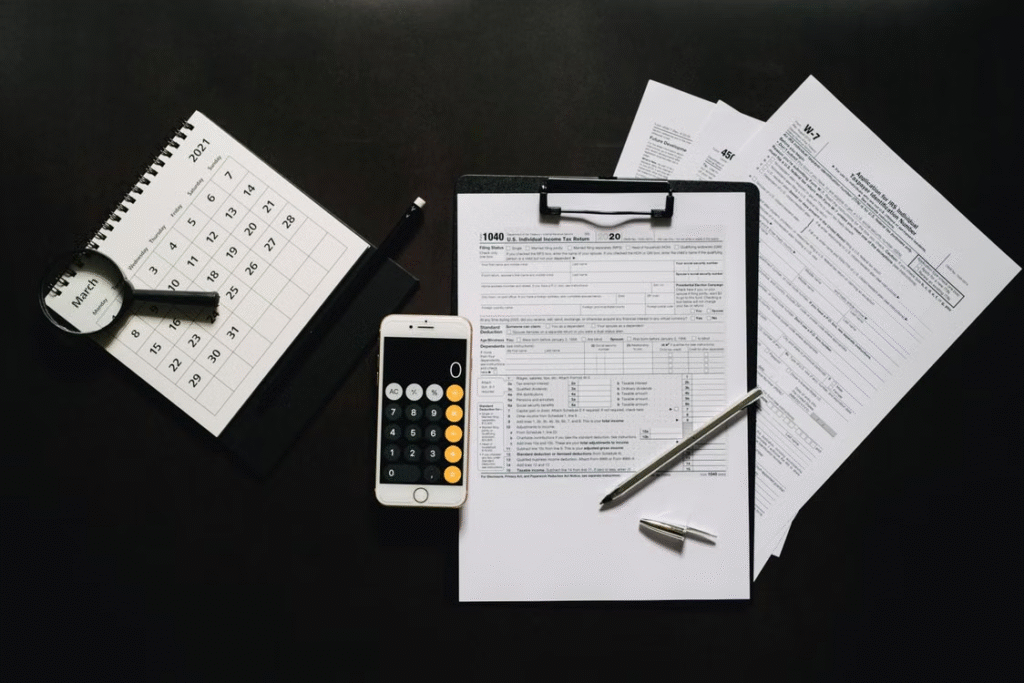
This photo shows some tax documents on a table.

Unpaid taxes can become increasingly difficult to manage when they are left unresolved. Interest, penalties, collection notices, and other consequences may add pressure to an already challenging financial situation. Taking action early can help taxpayers  understand what they owe and determine which options may be available based on their circumstances.

In this blog, we will discuss practical steps for addressing back taxes, why ignoring IRS obligations can create additional problems, and when professional tax resolution assistance may be appropriate.

Start by Understanding What You Owe

The first step toward resolving tax debt is determining the amount owed and understanding which tax years are affected. Taxpayers should review IRS notices, previous tax returns, account information, and available payment records. Working with a tax consultant in San Jose can also help taxpayers better understand their outstanding obligations and available options.

If past tax returns were never filed, those returns may need to be addressed before the complete tax situation can be evaluated. Gathering accurate financial information can help establish a clearer picture of the outstanding liability and support more informed tax planning services.

Do Not Ignore IRS Notices

Ignoring IRS correspondence generally does not make an unpaid balance disappear. Notices may explain the amount due, applicable deadlines, and potential collection actions. Responding promptly can give taxpayers more time to understand their circumstances and consider an appropriate response.

Taxpayers who are uncertain about what a notice means may benefit from consulting a professional who provides tax resolution services before taking action.

This photo shows some tax documents on a table.

Review Potential Resolution Options

The appropriate approach to unpaid taxes depends on factors such as the amount owed, income, assets, expenses, filing history, and ability to pay. Depending on the circumstances, taxpayers may be able to explore payment arrangements or other IRS resolution options.

Evaluate Your Ability to Pay

Understanding current income and necessary living expenses can help establish what payment amount may be manageable.

Address Missing Tax Returns

Unfiled returns can complicate an IRS account. Making sure required returns are properly prepared and filed may be an important part of resolving the overall situation.

Consider Professional Tax Resolution Assistance

Taxpayers facing complicated liabilities, multiple years of unpaid taxes, or ongoing IRS collection activity may want professional assistance in reviewing their options.

Why Professional Guidance Can Help

Nidhi Jain CPA can help individuals understand their tax obligations and work toward addressing unresolved tax matters. Support can include reviewing tax records, helping taxpayers understand their outstanding liabilities, discussing available tax resolution approaches, and assisting with the preparation needed to move forward.

Rather than allowing unpaid taxes to remain unresolved, taxpayers can contact us to discuss their circumstances and determine what professional assistance may be appropriate.

Year-end is an important time for business owners to review their financial position and prepare for upcoming tax obligations. Waiting until tax filing season to examine income, expenses, and business decisions can leave limited time to make changes that may affect the next tax return. Proactive planning can give business owners a clearer understanding of their financial position and help them prepare for the year ahead.

This blog covers several year-end considerations, including reviewing expenses, organizing financial records, evaluating business structure, and preparing for future tax obligations.

Reviewing Business Income and Expenses

One of the first steps in tax planning in the Bay Area is reviewing the business’s income and expenses before the year closes. Comparing current financial results with previous periods can help identify significant changes in revenue, operating costs, and profitability.

Business owners can review whether financial records accurately reflect transactions completed during the year. Missing receipts, incorrectly categorized expenses, or unreconciled accounts can make tax preparation more difficult.

Working with professional bookkeeping and accounting support can help businesses maintain organized records throughout the year and make year-end reviews more efficient.

Evaluating the Business Structure

A business structure can influence how income is reported and how taxes are handled. Business owners who have experienced substantial growth, changes in ownership, or changes in their operations may want to review whether their current structure continues to suit their circumstances.

tax strategy

Factors to Review

Before making structural changes, business owners can consider:

Business Growth

Changes in revenue, profitability, or the number of owners may affect whether the current structure remains appropriate.

Tax Considerations

Different structures can have different tax treatment and reporting requirements. Reviewing these considerations before year-end can support more informed planning.

Future Business Goals

Expansion, investment, hiring, or changes in ownership may influence future tax and accounting needs.

Prepare for Future Tax Obligations

Year-end planning should not focus solely on the immediate tax return. Business owners can also consider expected income, upcoming expenses, expansion plans, and other financial changes that could affect future obligations.

A proactive approach to tax planning services may help identify potential issues earlier and create a clearer financial strategy for the coming year. It can also provide an opportunity to discuss longer-term goals rather than making decisions only around filing deadlines.

Get Professional Guidance Before the Year Ends

Nidhi Jain CPA provides business tax services for businesses seeking organized financial and tax support.

Business owners who want to review their year-end position can contact us to discuss their tax planning needs and prepare for the year ahead.

This photo shows some tax documents on a table.

Many small businesses begin by managing their finances with spreadsheets, accounting software, or informal recordkeeping. This approach may work when transactions are limited, but as businesses grow, bookkeeping often becomes too time-consuming and complicated to manage alone. Accurate financial records are important not only for tax filing but also for understanding cash flow, expenses, profitability, and future business decisions.

This blog covers key signs that a business may need professional bookkeeping, including reconciliation challenges, financial reporting demands, accounts payable, and maintaining organized records.

When DIY Bookkeeping Starts Taking Too Much Time

Bookkeeping can become difficult to manage as a business adds customers, vendors, bank accounts, expenses, and financial transactions. Business owners who spend hours every week entering transactions or correcting records may be taking valuable time away from operations and growth.

A growing company may benefit from professional bookkeeping and accounting when financial tasks begin interfering with core responsibilities. Professional support can help keep records organized while giving business owners more time to focus on clients and strategic priorities.

Signs Your Business Has Outgrown DIY Bookkeeping

Several warning signs can indicate that a business has reached the point where additional bookkeeping support would be beneficial.

Bank Reconciliations Are Falling Behind

Bank and credit card accounts should be reconciled regularly so that financial records accurately reflect actual transactions. When reconciliations are delayed, or unexplained differences continue appearing, it may be time to consider professional bookkeeping in the Bay Area.


Financial Reports Are Difficult to Understand

Financial statements can provide valuable insight into revenue, expenses, profitability, and cash flow. If reports are incomplete, outdated, or difficult to interpret, professional bookkeeping support can help create more reliable information for decision-making.

Accounts Payable Is Becoming Disorganized

As a company grows, the number of vendors and bills may increase. Missing invoices, late payments, and unclear payment records can create unnecessary financial stress. Organized bookkeeping can help businesses maintain better visibility into outstanding obligations.

Records Are Not Ready for Tax Filing

Business owners should maintain accurate records throughout the year rather than trying to reconstruct transactions when tax deadlines approach. Professional bookkeeping can help keep financial information organized for business tax filing needs and make tax preparation more efficient.

When Professional Support Makes Sense

Nidhi Jain CPA provides professional bookkeeping and accounting support designed to help businesses maintain accurate records while staying focused on their operations and long-term growth.

Businesses that are spending too much time managing spreadsheets, falling behind on reconciliations, or struggling to understand their financial records can contact us to discuss bookkeeping and accounting needs and determine what level of professional support may be appropriate.