Monthly Bookkeeping Habits That Help Businesses Stay Tax-Ready

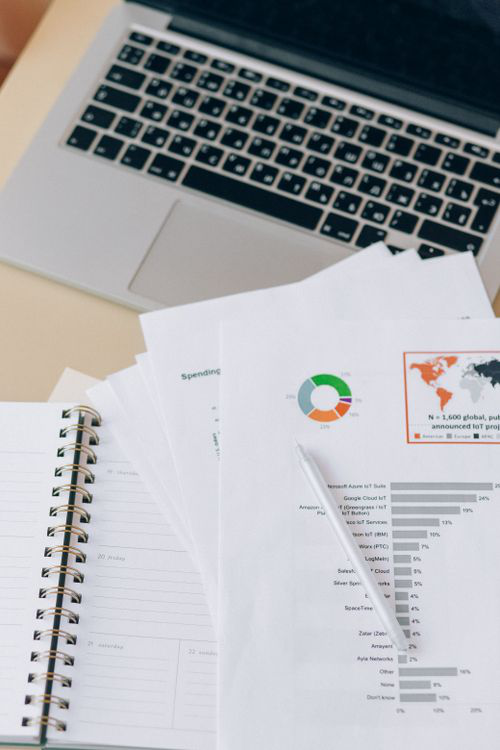
Laptop, notebook, and printed financial reports arranged on an office desk

Tax trouble often starts months before a return is due. A missed receipt, unreconciled bank account, or incorrect expense category can distort taxable income. The IRS generally suggests keeping tax records for three years, while employment tax records should be kept for at least four years.

That is why business bookkeeping should be handled every month, not rebuilt at year-end. A short monthly routine gives owners cleaner reports, better cash flow visibility, and stronger support for deductions.

Reconcile Every Financial Account

Compare each bank, credit card, loan, and payment processor balance with the bookkeeping system. Investigate missing deposits, duplicate charges, fees, returned payments, and transfers.

Complete this task before closing the month. Otherwise, errors can carry into future reports and make taxable profit look higher or lower than it is.

Record and Categorize Expenses

Enter every business purchase with the correct date, vendor, amount, and category. Save the receipt or invoice with the transaction.

Pay close attention to:

  • Software subscriptions
  • Insurance premiums
  • Travel and mileage
  • Advertising costs
  • Professional fees
  • Equipment purchases

Repairs, supplies, and equipment may receive different tax treatment. A certified public accountant can help set up categories that support accurate bookkeeping and accounting.

Review Receivables and Payables

Run an accounts receivable report each month. Follow up on overdue invoices and record customer payments correctly. Then review unpaid vendor bills and due dates.

Calculator and pen placed on printed business charts and financial reports

This helps owners distinguish revenue earned from cash collected. It also shows how much cash is committed to bills, loan payments, and taxes.

Check Tax Accounts

Confirm wages, employer taxes, benefits, reimbursements, and contractor payments.

Also review sales tax and estimated tax accounts. These balances should not be treated as available operating cash. Monthly checks make it easier to find missing payments before deadlines.

Run Key Financial Reports

Review the profit and loss statement, balance sheet, and cash flow report. Compare the current month with the prior month, budget, and same period last year.

Look for sharp changes in sales, margins, debt, or operating costs. Ask your CPA in Bay Area about entries that do not match business activity.

Create a Monthly Closing Checklist

Use the same steps every month and assign a completion date. Consistency reduces rushed corrections during filing season.

Keep Your Books Tax-Ready With Nidhi Jain CPA

Nidhi Jain CPA provides business bookkeeping support for owners who need organized records and clear financial reports. Our bookkeeping and accounting services include reconciliations, expense reviews, and monthly reporting. Work with our certified public accountant who can help keep your records ready for tax filing all year. Contact us now.
Related Blogs

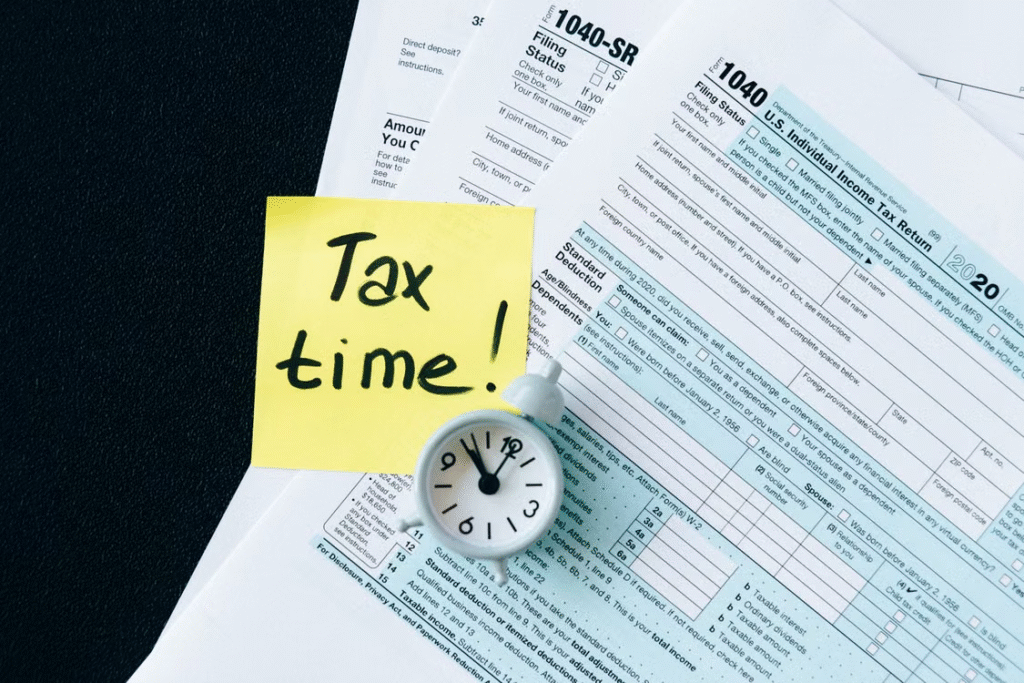
This photo shows some tax documents.

Receiving an IRS notice showing a tax balance can be stressful, particularly when paying the full amount is not financially realistic. Ignoring the balance, however, does not make the liability disappear. Interest and applicable penalties can continue to accrue until the amount is paid.

This guide explains what taxpayers should organize before requesting an arrangement, what payment options may be available, and how IRS payment plan help can make the process easier to navigate.

Start by Understanding What You Owe

Before requesting a payment arrangement, review your IRS notices and determine the tax year, outstanding balance, penalties, and interest involved. Your IRS Online Account can provide information about your current balance and payment history.

If you have unfiled returns, address those obligations as well. Generally, taxpayers must be current with required filings before certain payment plans can be considered.

Prepare the Information the IRS May Need

Having your financial information organized before applying can make the process more manageable.

Gather Your Tax Records

Keep copies of relevant tax returns, IRS notices, previous payment records, and correspondence together. This gives you a clearer picture of the liability you are trying to resolve.

This photo shows some tax documents.

Review Your Income

Collect recent information showing wages, self-employment income, investment income, or other sources of money you receive. Accurate income information can be important when determining what payment arrangement may be appropriate.

Document Your Regular Expenses

Review housing, utilities, transportation, insurance, food, medical expenses, debt payments, and other recurring costs. Some situations may require additional financial information or collection forms.

Do Not Wait Until Collection Problems Escalate

Addressing an unpaid balance promptly gives you more opportunity to understand available options. If you cannot pay everything immediately, paying what you can and exploring an arrangement may be preferable to simply ignoring the liability.

Professional tax resolution services can also help taxpayers review their circumstances and understand potential approaches for addressing outstanding liabilities.

Get Help Addressing an Outstanding Tax Balance

Tax debt can involve more than simply choosing a monthly payment amount. Nidhi Jain CPA provides back tax solution support, tax planning, and accounting guidance to help taxpayers understand their obligations and work toward addressing outstanding balances.

If you need a tax advisor in the Bay Area for an unresolved tax matter, contact Nidhi Jain CPA to discuss your situation.