
Avoid the January Rush: Year-End Tax Moves for Freelancers

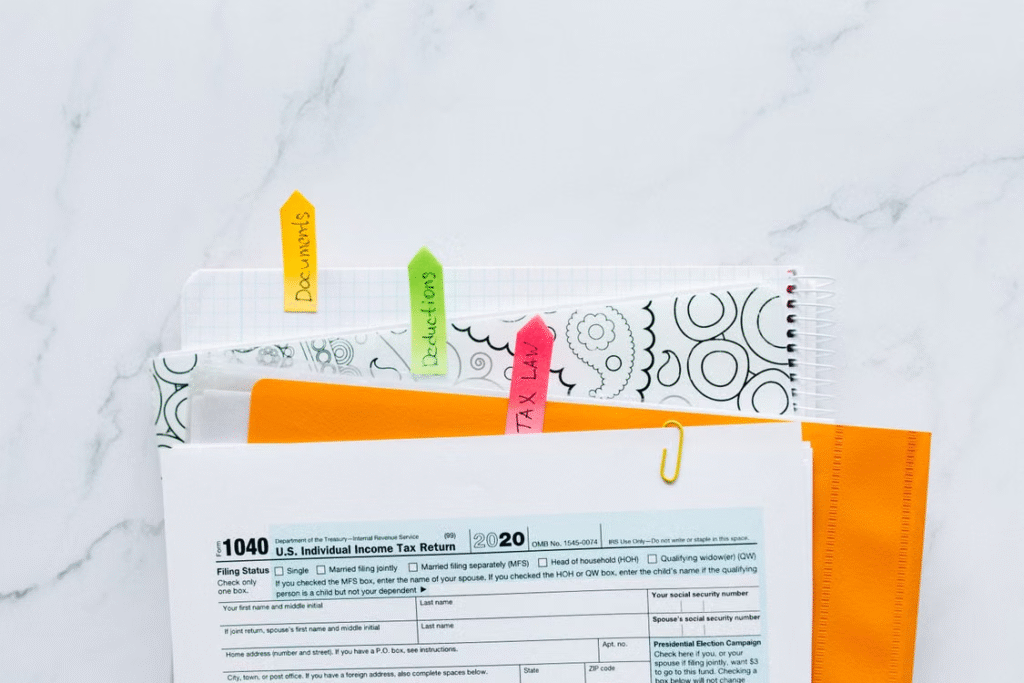
a person sitting with legs spread, going through a folder with tax papers

For freelancers, the start of January often brings unnecessary stress. Instead of entering the new year ready to focus on work, many self-employed professionals find themselves buried in receipts, invoices, and tax documents. A more efficient approach is to use the final months of the year to take control of tax planning for freelancers. Preparing early not only saves time but also minimizes errors and maximizes deductions.

Track Income Regularly and Accurately

Start by reviewing all income sources from the year. Freelancers often have multiple streams—project-based work, retainer clients, and even one-off gigs. Make sure each transaction is recorded accurately in a spreadsheet or accounting software. It’s also a good time to verify that all bank transfers, payments through platforms like PayPal or Stripe, and direct deposits are included. Waiting until January increases the risk of forgetting small but taxable payments. Early tracking also allows time to correct any inconsistencies before the filing season begins.

Gather and Organize Receipts Before They Pile Up

Receipts form the backbone of legitimate deductions. Expenses related to office supplies, software subscriptions, marketing, and even business meals can add up significantly. Freelancers should not rely on memory to recall these details later. It’s best to collect, categorize, and label receipts now. Whether stored physically in folders or digitally in a cloud drive or expense app, keeping them sorted by category ensures faster access later. Regular receipt reviews also help flag any charges that may be personal and should not be claimed.

close-up of a woman going through tax papers and signing it

Review Deductions with Extra Attention

Tax-deductible expenses for freelancers often go overlooked. These might include a portion of home office costs, utilities, mileage for business travel, education or training, and more. Year-end is the right time to evaluate what qualifies and what doesn’t. Comparing this year’s deductions with last year’s returns can help identify missing entries. This review process should also consider whether any large purchases should be made before December 31 to count as business expenses for the current tax year. The goal is to take every allowed deduction without risking over-reporting.

Set Aside Time for Quarterly Financial Reviews

Don’t wait until the year ends to assess performance. Schedule a quarterly financial review in late November or early December. This review should compare expected income with actual revenue, highlight patterns in spending, and determine if estimated tax payments are still accurate. These reviews help freelancers adjust their budgets and tax withholdings while there’s still time. It also provides insight into whether additional contributions to a SEP IRA or other retirement accounts are a smart move before year-end.

Recheck Bookkeeping Practices for Accuracy

Now is a smart time to revisit your bookkeeping practices. Are entries consistent across categories? Are all bank and credit card statements reconciled? Errors or missing information can delay tax filing and cause issues later. Using software is helpful, but manual reviews should still be part of the process. Good bookkeeping now helps reduce the time spent fixing problems later, especially during the busy tax season.

Where to Learn More

Waiting until January to organize your records can lead to unnecessary pressure, missed deductions, or even penalties. Freelancers who use December to sort income records, receipts, and bookkeeping practices are better prepared to take advantage of early filing. A quarterly financial review can also improve how you plan for the upcoming year, especially for anyone focusing on tax planning for freelancers.

For more practical tips, tax insights, and small business strategies, read the blog at Nidhi Jain CPA.

Related Blogs

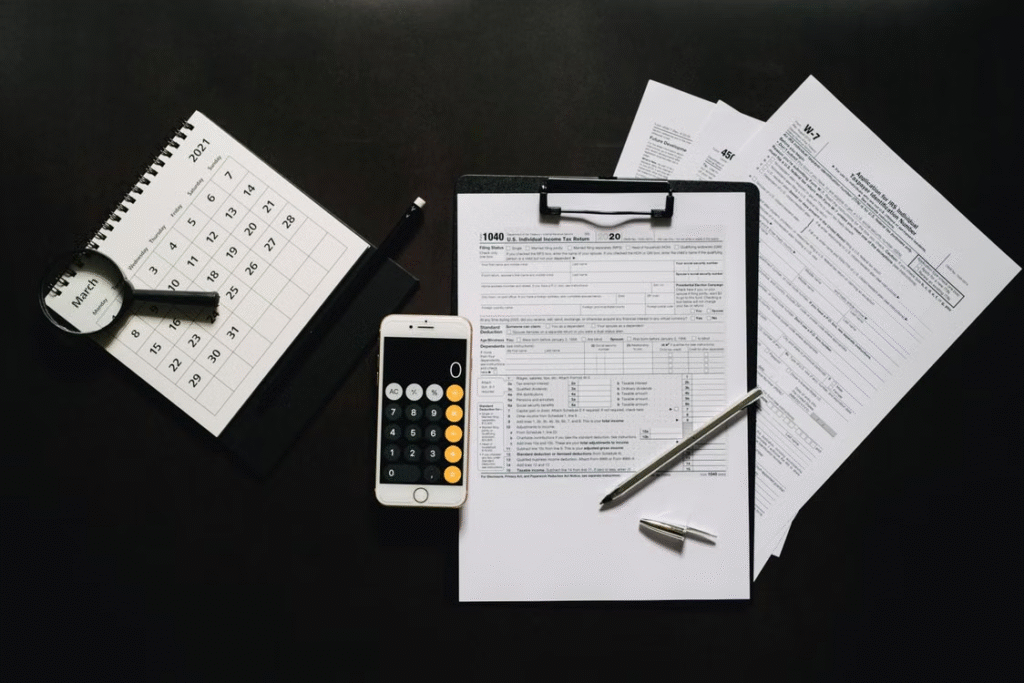
a tax board on top of money

Running a sole proprietorship in California comes with flexibility, but it also brings tax responsibilities that can quickly eat into your profits if not managed well.

Many business owners miss out on valuable deductions simply because they are unaware of what qualifies or how to track them properly. Understanding smart business tax solutions for sole proprietors can make a significant difference in how much you owe at the end of the year. With the right approach and consistent support from Bay Area bookkeeping and accounting professionals, you can reduce taxable income, stay compliant, and keep more of what you earn.

Track Every Business Expense

One of the simplest yet most effective ways to lower your tax bill is by keeping accurate records of all business-related expenses. This includes office supplies, software subscriptions, travel costs, and even a portion of your home expenses if you work remotely. Consistency is key here. When your records are organized, it becomes easier to identify deductions and avoid missing opportunities. Reliable Bay Area bookkeeping ensures that nothing slips through the cracks.

Take Advantage of Home Office Deductions

If you use part of your home exclusively for business, you may qualify for the home office deduction. This allows you to write off a portion of your rent, utilities, and internet costs. The key is to ensure that the space is used only for business purposes. Proper documentation and guidance through professional tax planning services can help you maximize this benefit without raising red flags.

Deduct Health Insurance Premiums

As a sole proprietor, you can often deduct 100 percent of your health insurance premiums for yourself and your family. This is an above-the-line deduction, which means it reduces your adjusted gross income directly. It is one of the most valuable yet underutilized deductions available.

Invest in Retirement Contributions

Saving for retirement is not just good for your future. It is also a powerful way to reduce your taxable income today. Contributions to retirement accounts such as a SEP IRA or Solo 401(k) are tax-deductible. With the right business tax solutions for a sole proprietor, you can create a plan that balances long-term savings with immediate tax benefits.

Separate Personal and Business Finances

Mixing personal and business finances can lead to confusion and missed deductions. Having a dedicated business bank account and credit card helps you track expenses more clearly and maintain accurate records. It also makes tax filing smoother and more efficient, especially when working with professional business tax services.

Claim Vehicle and Travel Expenses

If you use your vehicle for business purposes, you can deduct mileage, fuel, maintenance, and insurance costs. Similarly, business-related travel expenses such as flights, hotels, and meals can be written off. Keeping a mileage log and saving receipts is essential to support these claims.

Work with Professionals Who Understand Your Needs

Tax laws can be complex, and staying updated with changes is not always easy. Working with experienced accountants in San Jose, California, ensures that you are taking advantage of every available deduction while staying compliant with regulations.

Maximize Your Savings with the Right Support

Effective tax planning is not about last-minute decisions. It requires a proactive approach throughout the year.

At Nidhi Jain CPA, we provide Bay Area bookkeeping and accounting, tax planning services, and business tax services designed to help you succeed. If you are looking for reliable business tax solutions for a sole proprietor, we are here to guide you every step of the way.

Get in touch with us.

The gig economy has changed how people earn, especially in the Bay Area, where flexibility and independence are highly valued. From rideshare drivers to consultants and creatives, more individuals are working for themselves than ever before., But with that freedom comes responsibility, particularly when it comes to gig economy taxes. Unlike traditional employees, freelancers do not have taxes automatically withheld, which makes planning and tracking essential. That is where a clear understanding of Bay Area bookkeeping and accounting becomes critical to staying organized and compliant. …