
Tax Planning for Beginners: 3 Strategies to Adopt

a man and woman filing their taxes

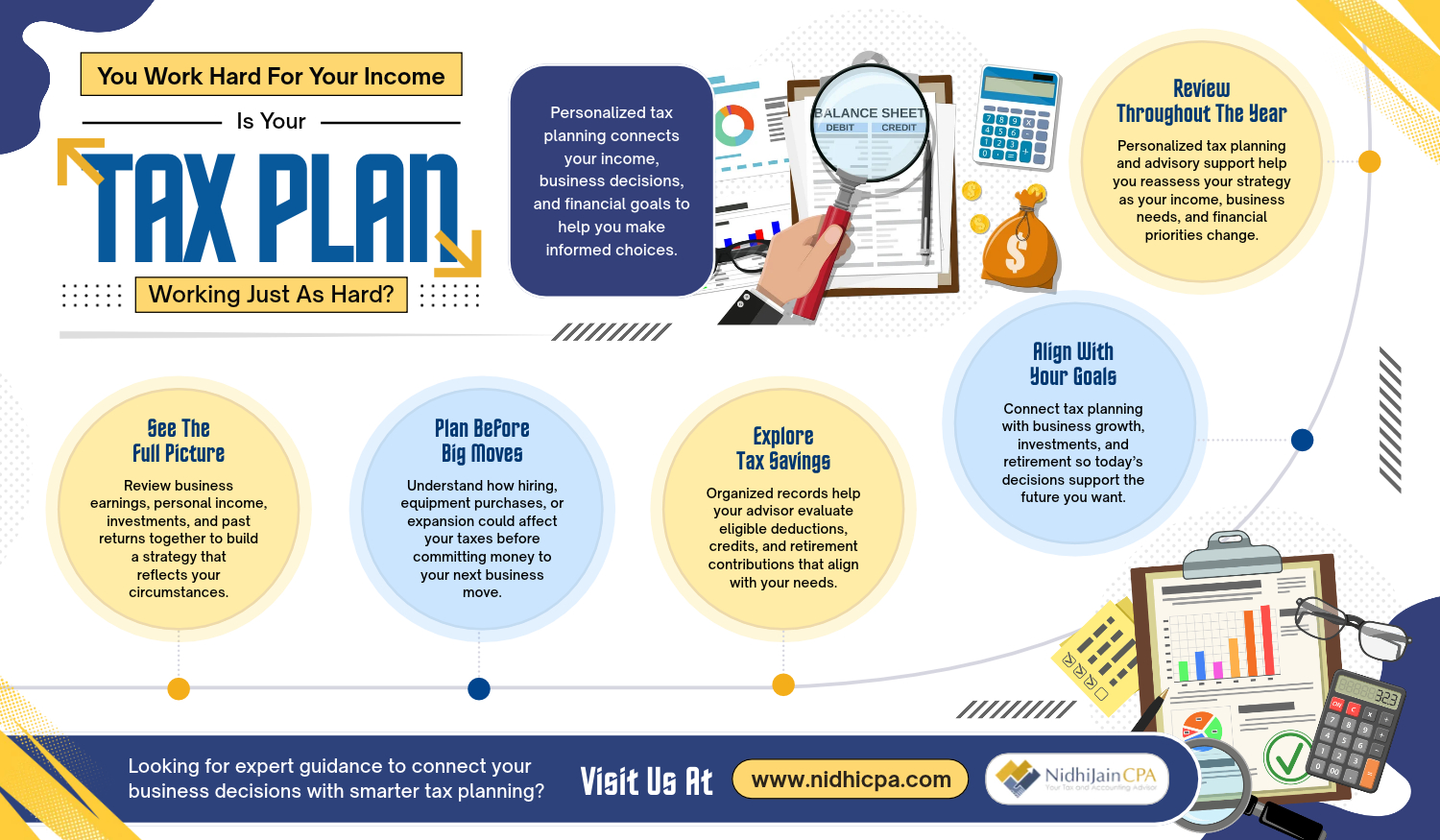
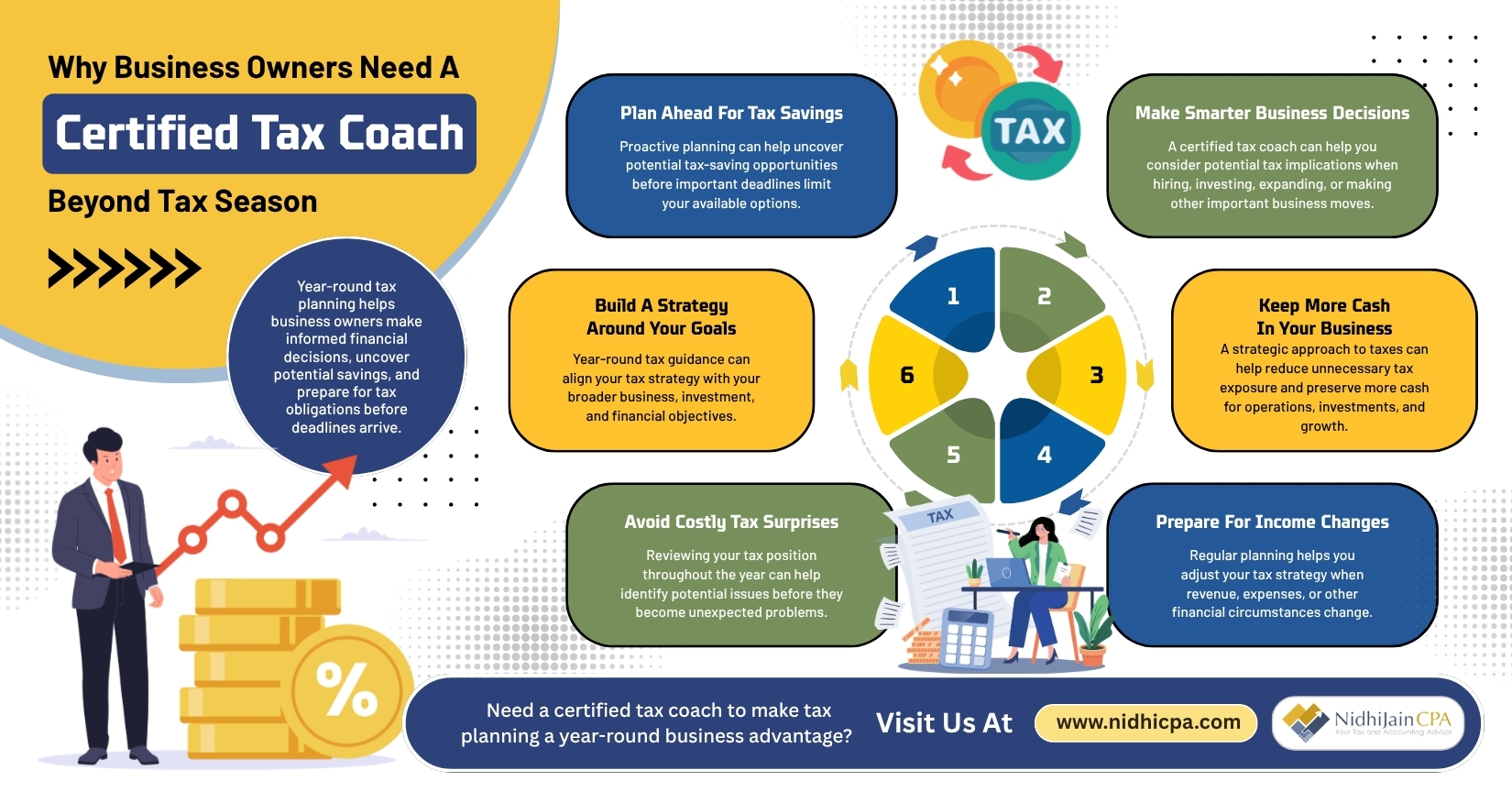
Strategic tax planning allows a business to analyze and arrange their financial situation in such a way that they can maximize their tax breaks and efficiently minimize their tax liabilities.

Tax rules and laws can be difficult to comprehend, but taking some time to learn and use them for your advantage can significantly change the amount of tax you pay and receive as tax refunds.


Let’s look at some innovative tax planning tips and strategies for beginners.

Understanding the tax bracket

The first and most important thing to understand is your federal tax bracket. The United States of America applies a progressive tax system which means the higher your taxable income is, the more taxes you pay. In other words, the tax rate progressively increases with your income. There are seven different tax brackets, where the minimum is a rate of 10%, and the maximum is 37% of your taxable income.


It doesn’t matter which tax bracket you’re in, you’ll not be paying the tax rate on your whole income because of 2 reasons:

a man and woman high-fiving

  • You have to minus tax deductions in order to find out your taxable income (for this reason, your taxable income isn’t always the same as the total income)
  • You cannot just multiply your entire income by your tax bracket because government applies a tax rate on several chunks of your taxable income at a corresponding rate.

Understand the difference between tax credits and tax deductions

Tax credits and tax deductions are probably the best of the tax preparation process. Both help you reduce the tax bill, although in completely different ways. If you know the difference between the two, you can create some effective tax strategies to reduce the tax bill.


  • Tax credits: Tax credit gives you a dollar-for-dollar deduction on the bill. For example, if your tax credit is valued at $2000, it will lower your text by $2000.
  • Tax deductions: These are certain expenses that you or your business has incurred; you can minus them from the taxable income. They directly reduce the amount of income that is subject to tax.


Look out for tax credits and deductions

In the US, there are plenty of possible tax credits and deductions that you can avail if you fulfill the criteria. Some popular text credits and deductions include child tax credit, adoption credit, American opportunity credit, charitable contributions, etc.


Looking for tax planning strategies and smartly filing your taxes can be a time-consuming task. Nidhi Jain CPA offers tax planning services in San Francisco. Our certified public accountant in USA help you with business tax filing, back tax solutions, bookkeeping, and payroll services in Bay Area.

Call us or email us to learn more about our accounting services.
Related Blogs

This photo shows some tax documents.

Receiving an IRS notice showing a tax balance can be stressful, particularly when paying the full amount is not financially realistic. Ignoring the balance, however, does not make the liability disappear. Interest and applicable penalties can continue to accrue until the amount is paid.

This guide explains what taxpayers should organize before requesting an arrangement, what payment options may be available, and how IRS payment plan help can make the process easier to navigate.

Start by Understanding What You Owe

Before requesting a payment arrangement, review your IRS notices and determine the tax year, outstanding balance, penalties, and interest involved. Your IRS Online Account can provide information about your current balance and payment history.

If you have unfiled returns, address those obligations as well. Generally, taxpayers must be current with required filings before certain payment plans can be considered.

Prepare the Information the IRS May Need

Having your financial information organized before applying can make the process more manageable.

Gather Your Tax Records

Keep copies of relevant tax returns, IRS notices, previous payment records, and correspondence together. This gives you a clearer picture of the liability you are trying to resolve.

This photo shows some tax documents.

Review Your Income

Collect recent information showing wages, self-employment income, investment income, or other sources of money you receive. Accurate income information can be important when determining what payment arrangement may be appropriate.

Document Your Regular Expenses

Review housing, utilities, transportation, insurance, food, medical expenses, debt payments, and other recurring costs. Some situations may require additional financial information or collection forms.

Do Not Wait Until Collection Problems Escalate

Addressing an unpaid balance promptly gives you more opportunity to understand available options. If you cannot pay everything immediately, paying what you can and exploring an arrangement may be preferable to simply ignoring the liability.

Professional tax resolution services can also help taxpayers review their circumstances and understand potential approaches for addressing outstanding liabilities.

Get Help Addressing an Outstanding Tax Balance

Tax debt can involve more than simply choosing a monthly payment amount. Nidhi Jain CPA provides back tax solution support, tax planning, and accounting guidance to help taxpayers understand their obligations and work toward addressing outstanding balances.

If you need a tax advisor in the Bay Area for an unresolved tax matter, contact Nidhi Jain CPA to discuss your situation.