

Business owners sometimes pay for company expenses using personal funds, particularly when starting a business or managing unexpected costs. These payments may qualify as deductible business expenses, but the payment method alone does not determine whether a deduction is allowed. Understanding how to document, categorize, and record these purchases helps maintain accurate financial records and support tax reporting.
Understand Which Expenses Qualify
Businesses can generally deduct ordinary and necessary expenses incurred while operating their business, provided they meet applicable tax requirements. These may include office supplies, business travel, software subscriptions, and professional fees.
However, paying an expense personally does not automatically make it deductible. The expense must have a legitimate business purpose and be directly related to business operations. Personal expenses generally cannot be deducted, even when paid from an account also used for business activities.
Keep Proper Documentation
When you pay a business expense using personal funds, keep the receipt, invoice, and proof of payment. Record the purchase date, amount, vendor, and business purpose. This documentation helps establish that the expense relates to business operations rather than personal spending.

Maintaining organized records also makes it easier to prepare accurate financial statements and support deductions if the IRS requests additional information. Consistent bookkeeping practices in the Bay Area can also help business owners track expenses and maintain reliable financial records.
Record and Reimburse Personal Payments
How you record a personally paid business expense depends on your business structure and accounting method. For example, a sole proprietor may record the payment as a business expense with a corresponding owner’s contribution. In a corporation, the payment may be treated as a reimbursable business expense or shareholder loan, depending on the circumstances and supporting documentation. The appropriate treatment should reflect the business structure and applicable accounting requirements.
Separate Personal and Business Finances
Using separate bank accounts and credit cards makes it easier to track business transactions, monitor cash flow, and prepare tax returns. It also simplifies account reconciliation and helps distinguish business purchases from personal spending.
Although certain business expenses paid personally may qualify for deductions, regularly mixing personal and business transactions can complicate bookkeeping in the Bay Area and make financial reporting less reliable.
Keep Your Finances Organized
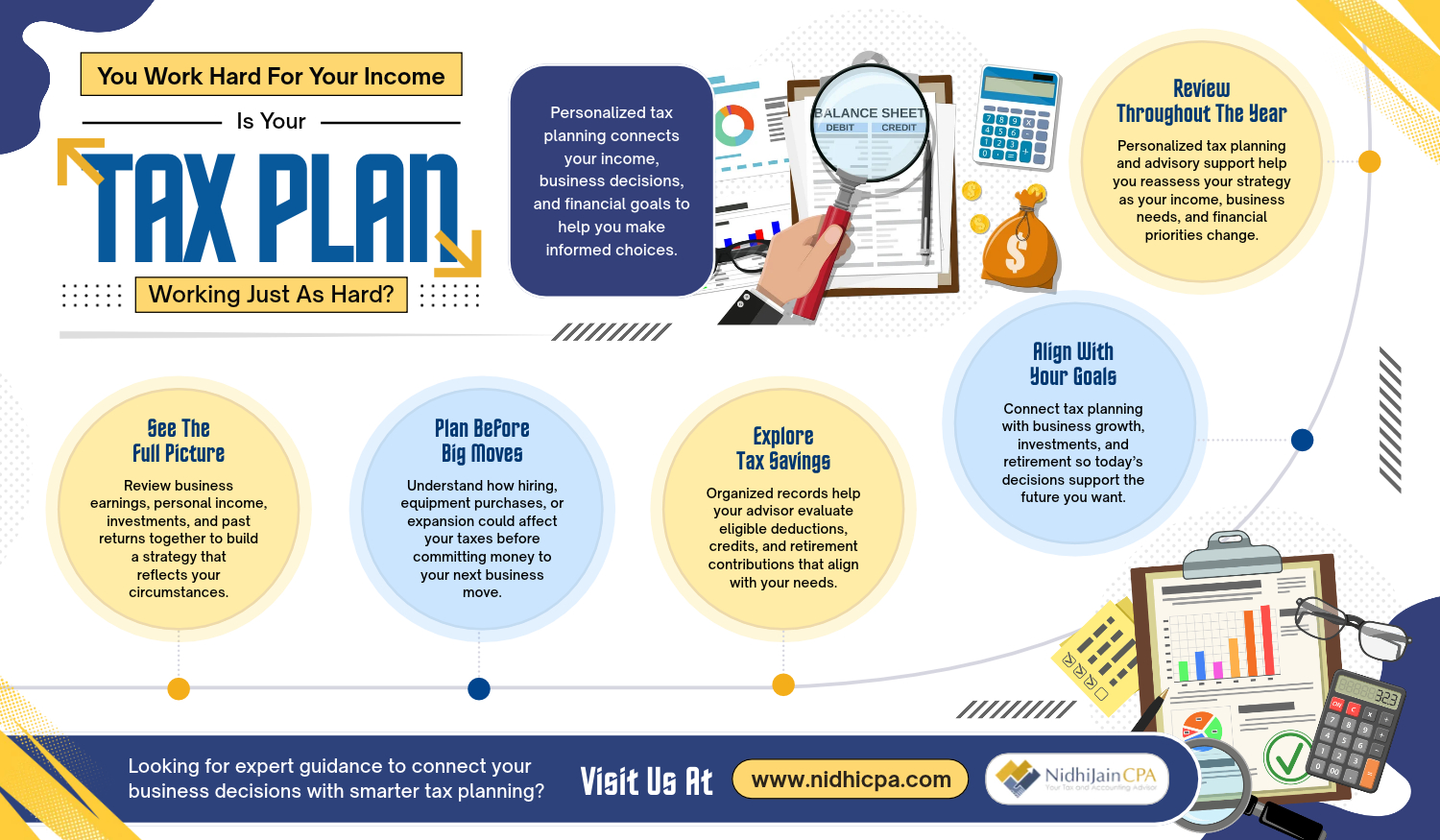
Consistent expense tracking gives business owners a clearer picture of company spending and helps support informed financial decisions. Reviewing transactions regularly and maintaining reliable accounting records can also simplify tax preparation. Incorporating these practices into your tax planning services and accounting processes can help you prepare for future financial obligations.
For support with bookkeeping, business tax, and accounting services, explore the available services at Nidhi Jain CPA. Learn more about our practice and approach to helping business owners manage their finances. For assistance with your business accounting or tax planning services, get in touch with us today.