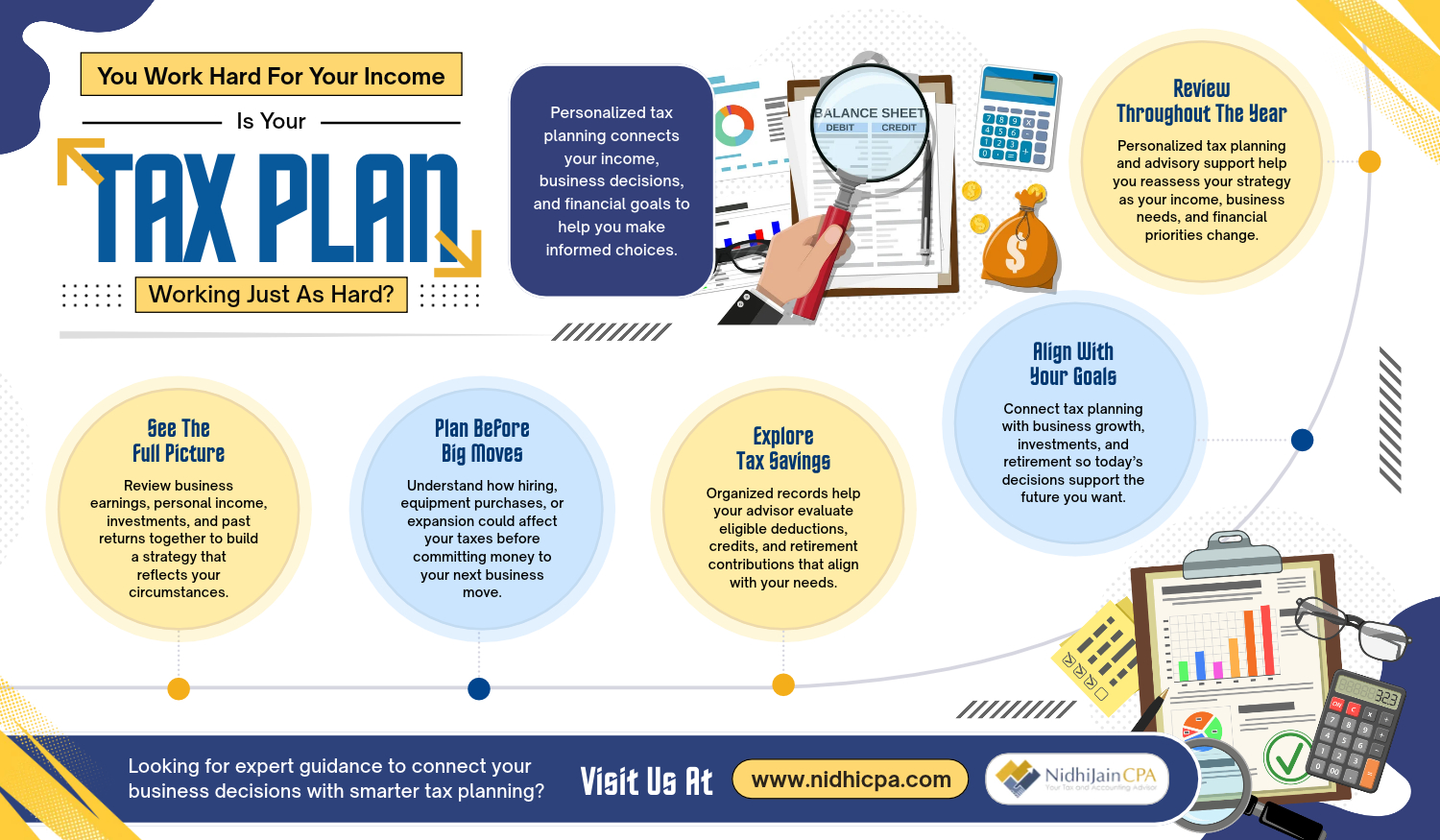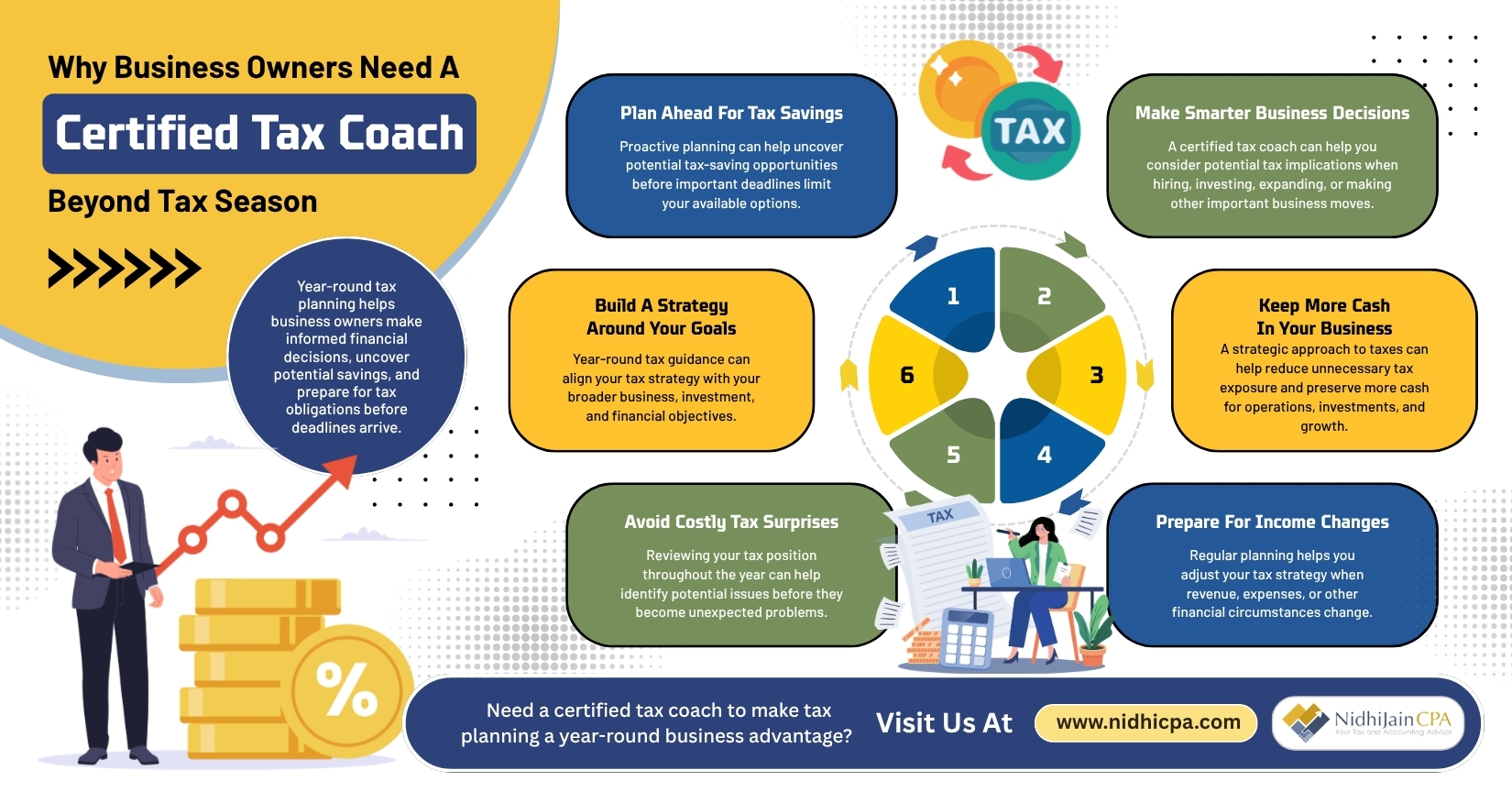


Year-end is an important time for business owners to review their financial position and prepare for upcoming tax obligations. Waiting until tax filing season to examine income, expenses, and business decisions can leave limited time to make changes that may affect the next tax return. Proactive planning can give business owners a clearer understanding of their financial position and help them prepare for the year ahead.
This blog covers several year-end considerations, including reviewing expenses, organizing financial records, evaluating business structure, and preparing for future tax obligations.
Reviewing Business Income and Expenses
One of the first steps in tax planning in the Bay Area is reviewing the business’s income and expenses before the year closes. Comparing current financial results with previous periods can help identify significant changes in revenue, operating costs, and profitability.
Business owners can review whether financial records accurately reflect transactions completed during the year. Missing receipts, incorrectly categorized expenses, or unreconciled accounts can make tax preparation more difficult.
Working with professional bookkeeping and accounting support can help businesses maintain organized records throughout the year and make year-end reviews more efficient.
Evaluating the Business Structure
A business structure can influence how income is reported and how taxes are handled. Business owners who have experienced substantial growth, changes in ownership, or changes in their operations may want to review whether their current structure continues to suit their circumstances.
Factors to Review
Before making structural changes, business owners can consider:
Business Growth
Changes in revenue, profitability, or the number of owners may affect whether the current structure remains appropriate.
Tax Considerations
Different structures can have different tax treatment and reporting requirements. Reviewing these considerations before year-end can support more informed planning.
Future Business Goals
Expansion, investment, hiring, or changes in ownership may influence future tax and accounting needs.
Prepare for Future Tax Obligations
Year-end planning should not focus solely on the immediate tax return. Business owners can also consider expected income, upcoming expenses, expansion plans, and other financial changes that could affect future obligations.
A proactive approach to tax planning services may help identify potential issues earlier and create a clearer financial strategy for the coming year. It can also provide an opportunity to discuss longer-term goals rather than making decisions only around filing deadlines.
Get Professional Guidance Before the Year Ends
Nidhi Jain CPA provides business tax services for businesses seeking organized financial and tax support.
Business owners who want to review their year-end position can contact us to discuss their tax planning needs and prepare for the year ahead.