
The Real Cost of Ignoring Quarterly Tax Estimates

a person using a calculator and writing in a notebook.

Many business owners underestimate the long-term impact of missing or underpaying quarterly tax estimates. The IRS and the California Franchise Tax Board require estimated payments from anyone earning income that is not subject to regular withholding. When these payments are late or too low, penalties and interest start accruing almost immediately. These charges often go unnoticed until they accumulate into substantial amounts that disrupt operations and drain working capital. Engaging professional tax planning services can help prevent these issues by ensuring accurate estimates, timely payments, and clear strategies for future quarters.

How Missed Payments Trigger Penalties

The IRS calculates underpayment penalties based on both the amount and the timing of each missed or insufficient payment. California adds its own interest layer on top of federal charges, making the cost of noncompliance even higher. Even a seemingly minor delay can snowball when multiple quarters are involved, creating an unexpected financial burden by year-end. A skilled tax consultant can forecast projected income for each quarter and identify the “safe harbor” payment levels that reduce the risk of penalty assessments. This approach ensures that businesses remain compliant without tying up excess cash unnecessarily.

The Strain on Cash Flow

Late or missed estimated payments also create significant cash flow stress. Businesses that fail to pay quarterly often end up facing a large lump-sum tax bill when filing their annual returns. This sudden expense can disrupt payroll schedules, vendor payments, and planned investments. Some business owners resort to short-term, high-interest borrowing to cover their tax obligations, which further erodes profits. Working with a reliable CPA can prevent this problem. By integrating quarterly estimates into a company’s monthly budget, they help maintain steady reserves, allowing businesses to meet tax obligations without derailing operations or growth plans.

The Role of Accurate Recordkeeping

Accurate recordkeeping is central to making correct quarterly estimates. Incomplete tracking of income or overlooking deductible expenses can result in overpaying or underpaying taxes. Both outcomes damage cash flow and increase audit risk. A qualified personal tax accountant can review real-time financial data and use detailed bookkeeping reports to align estimated payments with actual earnings. This ensures that businesses pay the right amount each quarter instead of guessing and risking compliance issues or penalties.

Building a Year-Round Tax Strategy

Quarterly estimates are most effective when they are part of a broader strategy. Comprehensive tax planning services help align estimated payments with seasonal income patterns, new tax credits, or business expansions. A proactive tax advisor can monitor these changes throughout the year, ensuring that every payment reflects current conditions. This strategy reduces year-end surprises and helps business owners make informed financial decisions with confidence.
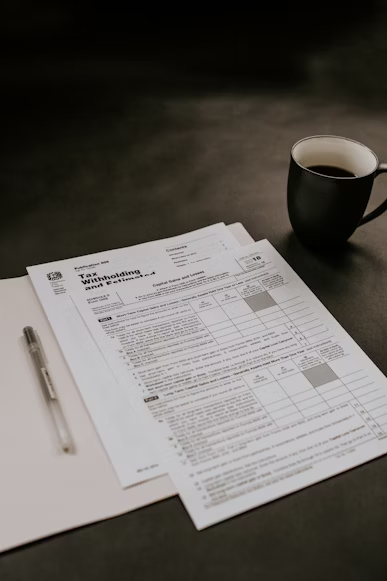
withholding tax document on a table

Stay on Track with Nidhi Jain CPA

Partnering with Nidhi Jain CPA gives business owners the support they need to stay ahead of quarterly tax obligations. As a trusted tax planning consultant in San Francisco, Nidhi Jain CPA offers accurate projections, structured payment plans, and expert oversight that protect cash flow and prevent penalties. With consistent planning and professional guidance, businesses can stay compliant, protect their profitability, and focus fully on growth.

Check out our blogs to learn more!

Related Blogs

This photo shows some tax documents on a table.

Unpaid taxes can become increasingly difficult to manage when they are left unresolved. Interest, penalties, collection notices, and other consequences may add pressure to an already challenging financial situation. Taking action early can help taxpayers  understand what they owe and determine which options may be available based on their circumstances.

In this blog, we will discuss practical steps for addressing back taxes, why ignoring IRS obligations can create additional problems, and when professional tax resolution assistance may be appropriate.

Start by Understanding What You Owe

The first step toward resolving tax debt is determining the amount owed and understanding which tax years are affected. Taxpayers should review IRS notices, previous tax returns, account information, and available payment records. Working with a tax consultant in San Jose can also help taxpayers better understand their outstanding obligations and available options.

If past tax returns were never filed, those returns may need to be addressed before the complete tax situation can be evaluated. Gathering accurate financial information can help establish a clearer picture of the outstanding liability and support more informed tax planning services.

Do Not Ignore IRS Notices

Ignoring IRS correspondence generally does not make an unpaid balance disappear. Notices may explain the amount due, applicable deadlines, and potential collection actions. Responding promptly can give taxpayers more time to understand their circumstances and consider an appropriate response.

Taxpayers who are uncertain about what a notice means may benefit from consulting a professional who provides tax resolution services before taking action.

This photo shows some tax documents on a table.

Review Potential Resolution Options

The appropriate approach to unpaid taxes depends on factors such as the amount owed, income, assets, expenses, filing history, and ability to pay. Depending on the circumstances, taxpayers may be able to explore payment arrangements or other IRS resolution options.

Evaluate Your Ability to Pay

Understanding current income and necessary living expenses can help establish what payment amount may be manageable.

Address Missing Tax Returns

Unfiled returns can complicate an IRS account. Making sure required returns are properly prepared and filed may be an important part of resolving the overall situation.

Consider Professional Tax Resolution Assistance

Taxpayers facing complicated liabilities, multiple years of unpaid taxes, or ongoing IRS collection activity may want professional assistance in reviewing their options.

Why Professional Guidance Can Help

Nidhi Jain CPA can help individuals understand their tax obligations and work toward addressing unresolved tax matters. Support can include reviewing tax records, helping taxpayers understand their outstanding liabilities, discussing available tax resolution approaches, and assisting with the preparation needed to move forward.

Rather than allowing unpaid taxes to remain unresolved, taxpayers can contact us to discuss their circumstances and determine what professional assistance may be appropriate.

Year-end is an important time for business owners to review their financial position and prepare for upcoming tax obligations. Waiting until tax filing season to examine income, expenses, and business decisions can leave limited time to make changes that may affect the next tax return. Proactive planning can give business owners a clearer understanding of their financial position and help them prepare for the year ahead.

This blog covers several year-end considerations, including reviewing expenses, organizing financial records, evaluating business structure, and preparing for future tax obligations.

Reviewing Business Income and Expenses

One of the first steps in tax planning in the Bay Area is reviewing the business’s income and expenses before the year closes. Comparing current financial results with previous periods can help identify significant changes in revenue, operating costs, and profitability.

Business owners can review whether financial records accurately reflect transactions completed during the year. Missing receipts, incorrectly categorized expenses, or unreconciled accounts can make tax preparation more difficult.

Working with professional bookkeeping and accounting support can help businesses maintain organized records throughout the year and make year-end reviews more efficient.

Evaluating the Business Structure

A business structure can influence how income is reported and how taxes are handled. Business owners who have experienced substantial growth, changes in ownership, or changes in their operations may want to review whether their current structure continues to suit their circumstances.

tax strategy

Factors to Review

Before making structural changes, business owners can consider:

Business Growth

Changes in revenue, profitability, or the number of owners may affect whether the current structure remains appropriate.

Tax Considerations

Different structures can have different tax treatment and reporting requirements. Reviewing these considerations before year-end can support more informed planning.

Future Business Goals

Expansion, investment, hiring, or changes in ownership may influence future tax and accounting needs.

Prepare for Future Tax Obligations

Year-end planning should not focus solely on the immediate tax return. Business owners can also consider expected income, upcoming expenses, expansion plans, and other financial changes that could affect future obligations.

A proactive approach to tax planning services may help identify potential issues earlier and create a clearer financial strategy for the coming year. It can also provide an opportunity to discuss longer-term goals rather than making decisions only around filing deadlines.

Get Professional Guidance Before the Year Ends

Nidhi Jain CPA provides business tax services for businesses seeking organized financial and tax support.

Business owners who want to review their year-end position can contact us to discuss their tax planning needs and prepare for the year ahead.

This photo shows some tax documents on a table.

Many small businesses begin by managing their finances with spreadsheets, accounting software, or informal recordkeeping. This approach may work when transactions are limited, but as businesses grow, bookkeeping often becomes too time-consuming and complicated to manage alone. Accurate financial records are important not only for tax filing but also for understanding cash flow, expenses, profitability, and future business decisions.

This blog covers key signs that a business may need professional bookkeeping, including reconciliation challenges, financial reporting demands, accounts payable, and maintaining organized records.

When DIY Bookkeeping Starts Taking Too Much Time

Bookkeeping can become difficult to manage as a business adds customers, vendors, bank accounts, expenses, and financial transactions. Business owners who spend hours every week entering transactions or correcting records may be taking valuable time away from operations and growth.

A growing company may benefit from professional bookkeeping and accounting when financial tasks begin interfering with core responsibilities. Professional support can help keep records organized while giving business owners more time to focus on clients and strategic priorities.

Signs Your Business Has Outgrown DIY Bookkeeping

Several warning signs can indicate that a business has reached the point where additional bookkeeping support would be beneficial.

Bank Reconciliations Are Falling Behind

Bank and credit card accounts should be reconciled regularly so that financial records accurately reflect actual transactions. When reconciliations are delayed, or unexplained differences continue appearing, it may be time to consider professional bookkeeping in the Bay Area.


Financial Reports Are Difficult to Understand

Financial statements can provide valuable insight into revenue, expenses, profitability, and cash flow. If reports are incomplete, outdated, or difficult to interpret, professional bookkeeping support can help create more reliable information for decision-making.

Accounts Payable Is Becoming Disorganized

As a company grows, the number of vendors and bills may increase. Missing invoices, late payments, and unclear payment records can create unnecessary financial stress. Organized bookkeeping can help businesses maintain better visibility into outstanding obligations.

Records Are Not Ready for Tax Filing

Business owners should maintain accurate records throughout the year rather than trying to reconstruct transactions when tax deadlines approach. Professional bookkeeping can help keep financial information organized for business tax filing needs and make tax preparation more efficient.

When Professional Support Makes Sense

Nidhi Jain CPA provides professional bookkeeping and accounting support designed to help businesses maintain accurate records while staying focused on their operations and long-term growth.

Businesses that are spending too much time managing spreadsheets, falling behind on reconciliations, or struggling to understand their financial records can contact us to discuss bookkeeping and accounting needs and determine what level of professional support may be appropriate.