What to Do if You’ve Missed the Tax Filing Deadline: Steps to Take Now

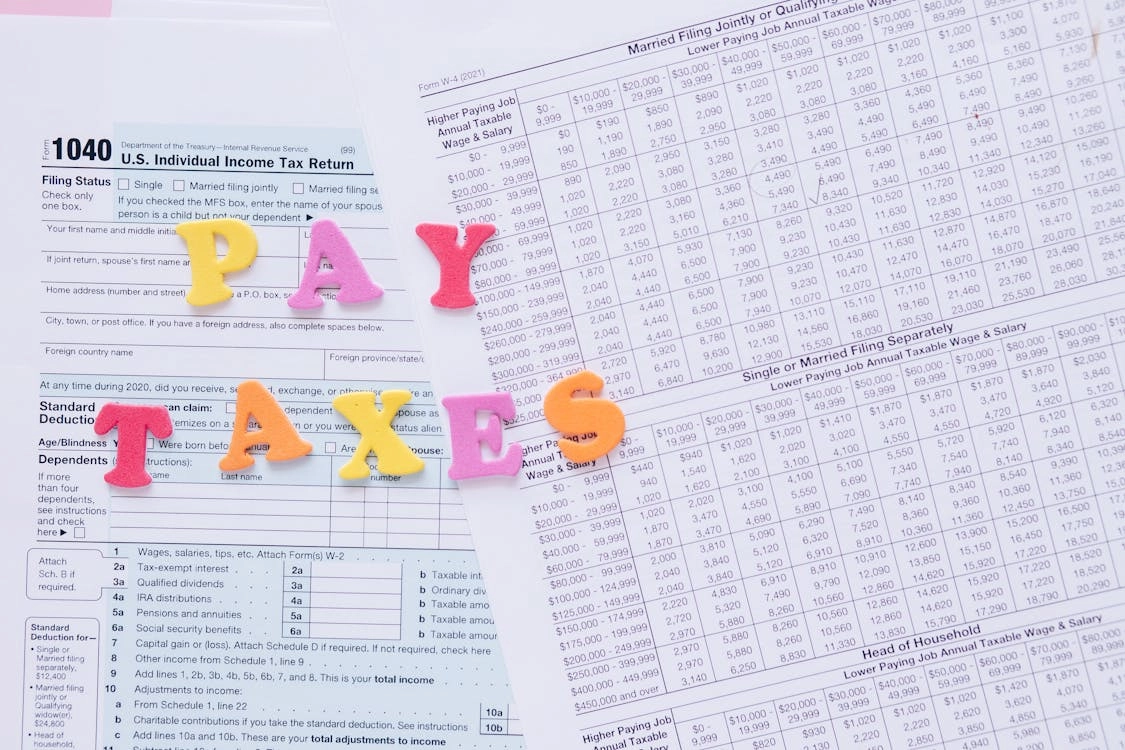
Colorful letters spelling out PAY TAXES placed on a tax form

Missing the tax filing deadline can be stressful, but there are steps you can take to address the issue. Whether you need to reduce penalties, file for an extension, or organize your finances, this guide will help you navigate the situation. Keep reading to find out what to do if you’ve missed the tax deadline.

Check Your Tax Filing Status

The first step is to assess your tax situation. Missing the deadline doesn’t automatically mean penalties apply. Check whether:

  • You’re owed a refund:If the IRS owes you money, there’s typically no penalty for filing late. However, you have a limited time (usually three years) to claim it.
  • You owe taxes:Late filing penalties and interest can apply if you haven’t paid what you owe.

By understanding your filing status, you can decide on the next best steps if you’ve missed the tax deadline.

File as Soon as Possible

Filing promptly is the best way to minimize penalties and interest. Even if you don’t have all the funds to pay what you owe, filing now reduces the failure-to-file penalty, which is more significant than the failure-to-pay penalty.

Here’s what you should do:

  • File electronically for faster processing.
  • Pay as much as you can toward your tax bill to minimize interest.
  • Set up a payment plan with the IRS if needed.

If you expect a refund, filing quickly allows you to claim your money sooner. The IRS doesn’t charge late penalties for refunds.

Request an Extension

A purple and orange note with the words TAXES and a dollar sign

If you’ve missed the tax filing deadline but still need more time to prepare your return, you can request an extension. Keep in mind that extensions give you more time to file but don’t exempt you from penalties on unpaid taxes.

Steps to file an extension:

  1. Submit Form 4868to the IRS, either online or by mail.
  2. Pay an estimated amount of taxes owed to limit penalties and interest.
  3. File your completed return before the new deadline.

Filing an extension helps you avoid compounding issues and gives you extra time to gather your documents.

Address Late Penalties

If you owe taxes and have missed the tax deadline, penalties and interest can add up. The good news is that you can take steps to manage these costs:

  • Pay as much as possible as soon as possible to reduce interest charges.
  • Request first-time penalty abatement if this is your first missed tax deadline.
  • Explore other relief programs if you meet the IRS criteria for reasonable cause.

Plan to Avoid Future Issues

To avoid missing the tax deadline next year:

  • Mark filing deadlines on your calendar or set reminders.
  • Use tax preparation software or consult a professional for guidance.
  • Keep tax documents organized throughout the year to make filing easier.

Take Quick Action with Nidhi Jain CPA

Missing the tax deadline doesn’t have to cause long-term problems. By filing quickly, requesting extensions, and managing penalties, you can stay on track financially. If you need expert assistance, contact Nidhi Jain CPA.

We specialize in business tax filing and tax planning in the Bay Area, helping clients resolve tax issues efficiently. Contact us today for personalized support and solutions for expert tax advisory services in the Bay Area, San Jose, Dublin, and San Francisco.


Related Blogs

Modern businesses generate financial data every day. Sales, expenses, invoices, and payments constantly affect the financial health of a company. When information is delayed or stored across multiple systems, it becomes difficult for business owners and accountants to stay aligned. This is why cloud accounting has become an essential tool for improving collaboration and decision-making.

By providing real-time access to financial information, cloud-based systems help business owners and CPAs work together more efficiently while reducing delays and reporting errors.

Real-Time Access Creates Better Communication

Traditional accounting often relies on spreadsheets, email exchanges, and manual data transfers. This can create communication gaps and outdated information.

With cloud accounting:

  • Financial records update automatically
  • Business owners can view data anytime
  • CPAs can access the same information simultaneously
  • Questions can be addressed more quickly

This shared visibility helps improve communication and supports more informed financial decisions. Many businesses working with a CPA professional in San Jose find that real-time collaboration leads to more accurate reporting and fewer surprises at tax time.

Faster Financial Reporting

One of the biggest advantages of cloud accounting is speed. Instead of waiting until month-end to review financial performance, business owners can monitor key metrics throughout the month.

Benefits include:

  • Faster profit and loss reporting
  • Up-to-date cash flow visibility
  • Improved expense tracking
  • Better budgeting and forecasting

For companies using bookkeeping solutions, cloud systems provide a more complete financial picture that supports daily decision-making.

Person analyzing finance report with graphs at desk, ideal for business concepts.

Improved Accuracy Through Automation

Manual data entry increases the risk of errors. Duplicate transactions, missed expenses, and incorrect categorization can affect reporting accuracy.

Cloud accounting platforms help reduce these issues through:

  • Automated bank feeds
  • Transaction matching
  • Receipt management tools
  • Built-in reporting features

This allows business owners and CPAs to spend less time correcting errors and more time focusing on strategy. Many providers of tax and accounting services use cloud platforms to improve efficiency and maintain accurate records throughout the year.

Supporting Better Tax Planning

Tax planning works best when financial information is current and reliable. Cloud accounting gives accountants access to real-time data that can support proactive planning instead of reactive filing.

This helps with:

  • Estimated tax calculations
  • Deduction tracking
  • Business tax preparation
  • Cash flow planning

Whether working with a tax advisor, access to current financial information can improve the quality of financial recommendations.

A Stronger Partnership Between Business Owners and CPAs

Cloud accounting does more than simplify bookkeeping. It creates a collaborative environment where business owners and accounting professionals can work from the same financial data, make faster decisions, and respond quickly to changing business conditions.

At Nidhi Jain CPA, we help businesses leverage modern accounting technology to improve financial visibility and support smarter decision-making. Through professional business tax services in Bay Area, and strategic advisory support, businesses can gain greater confidence in their financial operations. Contact us today to learn how cloud-based accounting solutions can support your long-term business goals.

Accurate financial information is the foundation of every successful business. However, financial records can quickly become unreliable when transactions are not regularly reviewed and verified. This is where annual and monthly reconciliation plays a critical role. …

a person using a calculator

Many business owners think of taxes only during filing season. Once returns are submitted, taxes often move to the bottom of the priority list until the following year. However, working with a tax accountant in California involves much more than preparing and filing tax returns. …