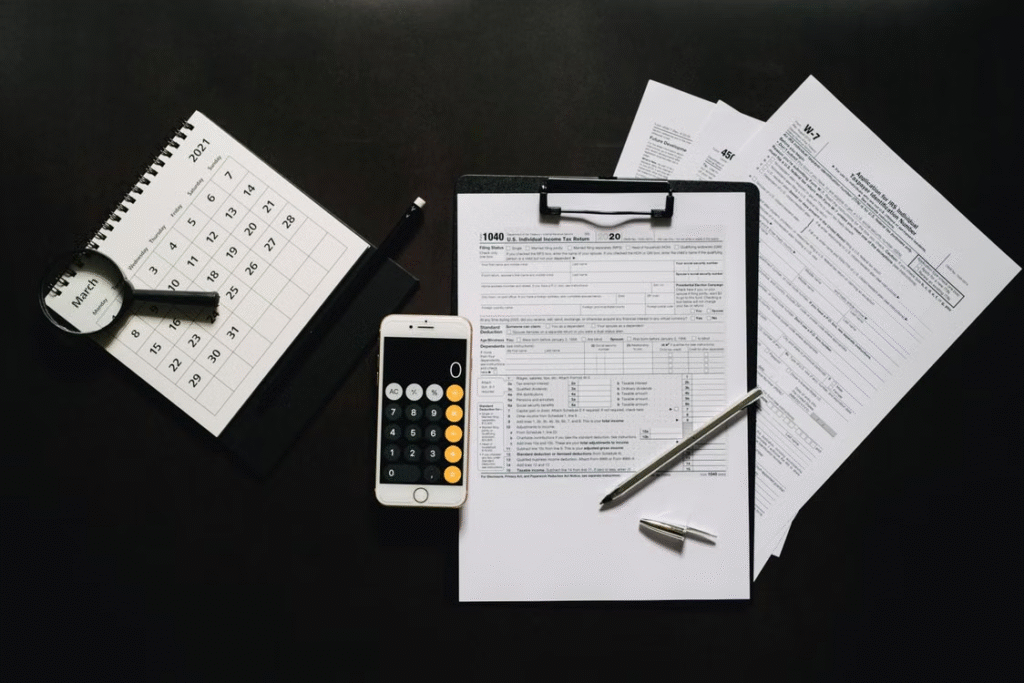


California residents face unique tax challenges due to differences between state and federal tax systems. This guide breaks down these differences and highlights important California-specific rules and deductions, ensuring you’re prepared for tax season.
Federal vs. State Income Taxes
The federal tax system applies to all U.S. residents, while California has its own tax framework. Key differences include:
- Tax Brackets:Federal income tax rates range from 10% to 37% based on taxable income. California’s progressive rates range from 1% to 12.3%, with an additional 1% tax on incomes exceeding $1 million.
- Standard Deduction:The federal standard deduction is much higher ($13,850 for individuals in 2023) compared to California’s lower amount of $5,363 for individuals.
California’s higher tax rates and lower standard deduction often result in a greater tax burden for residents compared to the federal system.
California-Specific Deductions
California’s tax code includes distinct deductions that differ from federal allowances:
- Mortgage Interest Deduction:The federal deduction is limited to interest on $750,000 of mortgage debt, while California allows interest deductions on up to $1 million.
- State and Local Taxes (SALT):The federal SALT deduction is capped at $10,000, but California doesn’t limit the amount you can deduct for property taxes on your state return.
- 529 Education Plans:Contributions to 529 plans are not tax-deductible in California, while other states may offer deductions.
Tax-Free Income Differences

Some income types are treated differently in California compared to federal rules:
- Social Security Benefits: California fully exempts Social Security benefits from state taxes, unlike federal taxes, where these benefits are taxable based on income.
- Disability Income: California excludes certain disability payments from taxable income, while federal rules may tax this income.
Knowing these differences helps you accurately calculate your tax obligations.
Tax Filing Tips for College Students
Students and part-time workers face unique tax considerations:
- Dependent Status: If your parents claim you as a dependent, you may still be required to file taxes. California’s income thresholds for dependents are lower than federal limits, making it more likely you’ll need to file.
- Scholarships and Grants: Funds used for tuition and required fees are tax-free federally and in California. However, stipends for room, board, or personal expenses may be taxable.
- Side Jobs: Income from gig work or freelance jobs is taxable at both federal and state levels, and California requires quarterly estimated payments for self-employed individuals.
Deadlines and Penalties
Both California and federal taxes follow the April 15 filing deadline. However:
- Late Filing Penalties: California imposes its own penalties for late filings or payments, separate from federal penalties.
- Estimated Payments: California requires quarterly estimated taxes for untaxed income, including side gigs or investments, in addition to federal requirements.
Simplify Your Taxes with Nidhi Jain CPA
Managing state and federal taxes can be complicated, but Nidhi Jain CPA makes it easier. Whether you need bookkeeping, accounting, or business tax filing services in the Bay Area, I am here to help.
We specialize in tax planning in the Bay Area, San Francisco, and San Jose to navigate California’s tax complexities with ease. With our expert guidance, you can focus on growing your business without worrying about tax season. Contact Nidhi Jain CPA today and let us simplify your tax strategy!