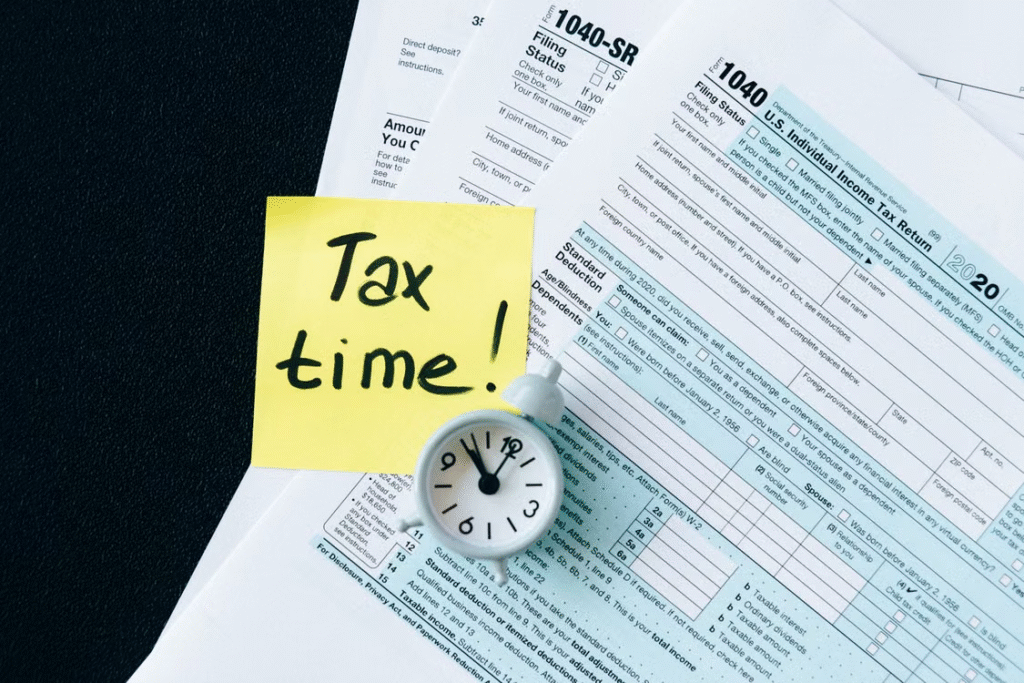


A business audit can be a lengthy and arduous process, which can take up an entire year. That being said, being prepared is the key to any IRS audit since it can help significantly to get the results in your favor. Here are some tips that can help you through a successful IRS audit.
Hire a Professional Tax Consultant
It all starts with hiring the expertise of a seasoned tax consultant. Your hunt for a professional tax advisor should start as soon as you receive your notification from the IRS. Professionals with credentials such as a certified public accountant, enrolled agent, or an attorney can represent your case before the IRS. One major mistake that many folks make after they get their IRS audit notification is they decide to handle it on their own. The truth is, even if you do decide to go at it alone, it is wise to consult with an experienced tax consultant, especially for reviewing the IRS documentation and crafting an appropriate response that won’t raise any further red flags.
Make Use of an ATG
The IRS uses an audit technique guide or ATG that helps businesses in various industries prepare their taxes. While the guide will provide you with useful intel on accounting methods used and other key areas of the audit, it is best to hire an experienced tax consultant who will be familiar with the ATGs used for your specific situation and industry.
Get Your Records Straight
Another area where people make mistakes and end up paying penalties is organizing their documents. Only an experienced tax consultant will be able to make sure that all of your records are kept in order and in pristine condition. The documentation you are going to need for your audit includes all records pertaining to income, losses, deductions, and expenses.
You should also organize these records according to the year and type. It is also important to make all bank and credit card records accessible, and if the records aren’t available, don’t make it up, or else you will get into a lot of hot water with the IRS. Hiring a professional tax consultant will ensure that all of the needed information is included and there are no omissions.
If you do not want to be responsible for your IRS audit, why not call in the experts at Nidhi CPA, who have years of experience in serving clients for tax planning services in Bay Area, including South Bay, Sunnyvale, San Jose, Milpitas, Fremont, East Bay, Trivalley, Pleasanton, Livermore, Dublin, and San Ramon. Hiring a professional tax consultant can also help you in other areas of filing state and federal taxes, including Asset Inheritance and Gift from Foreign countries, Repatriating Money from Foreign countries, FBAR Filing (Foreign Bank Account Reporting), Incorporation of US Entity by International Clients, International Tax reporting and compliance of selling property abroad, Tax Planning and Advisory Service.